How to Identify and Stop IRS Scam Calls Effectively
Learn how to identify and stop IRS scam calls using practical steps to protect yourself from fraudulent financial threats.

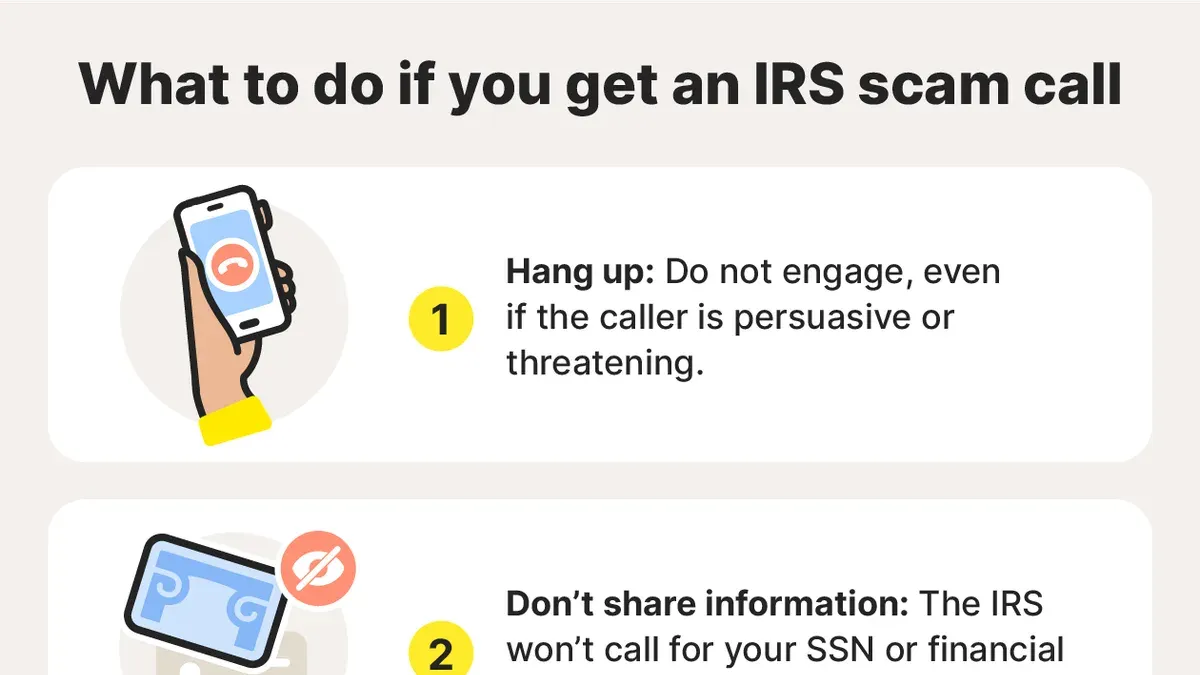
This article explains how to identify and stop an IRS scam call, providing practical steps to recognize these fraudulent attempts and protect oneself from financial harm. IRS scam calls often mimic official government communications, using threats or urgent language to coerce individuals into paying false debts or sharing sensitive information.
Understanding how these calls operate helps distinguish them from legitimate IRS contacts, which follow specific protocols and never demand immediate payment by phone. This guide also explores the broader context of spam calls, revealing how technology both challenges and assists in combating such scams.
Tip: Real IRS agents do not request payments via prepaid debit cards or threaten arrest over the phone.
What IRS scam calls are and why they matter
IRS scam calls are fraudulent phone calls where perpetrators impersonate officials from the Internal Revenue Service to deceive individuals. These calls often involve threats of arrest, demands for immediate payment, or requests for personal information under the guise of resolving tax issues. The primary goals of these scammers include extorting money and stealing identities.
Victims of IRS scam calls can suffer significant financial losses, sometimes amounting to thousands of dollars, as well as emotional distress and anxiety over potential legal consequences. For example, a person might receive a call claiming they owe back taxes and face arrest unless they immediately pay via wire transfer or gift cards, which the IRS never requests as payment methods.
The IRS does not initiate contact by phone to demand payments or request sensitive personal data. It regularly issues warnings about these scams and urges taxpayers to be vigilant. According to reports from the Federal Trade Commission and the IRS, tens of thousands of people annually report such scam calls, with losses reaching into the millions of dollars nationwide.
Awareness of IRS scam calls is crucial because scammers adapt their tactics to exploit fear and confusion. Understanding their methods can help individuals recognize suspicious calls and avoid falling victim to these schemes.
How IRS scam calls typically work
IRS scam calls often begin with a recorded or live message claiming the recipient owes back taxes or faces legal action. Scammers commonly use scripts designed to create fear and urgency, stating phrases like "If you do not pay immediately, a warrant will be issued for your arrest" or "Your Social Security number has been suspended." These scripted threats aim to intimidate and coerce quick compliance without allowing time for verification.
Caller ID spoofing is a prevalent technique where scammers manipulate the displayed phone number to appear as though the IRS or a government office is calling. This false legitimacy tempts recipients into trusting the call and following instructions. For example, a reported case involved a spoofed number matching the IRS's official contact line, making the scam call harder to distinguish from authentic communications.
Pressure tactics escalate during the call, with scammers urging immediate payment through untraceable methods such as prepaid debit cards, wire transfers, or gift cards. They often instruct recipients not to discuss the call with others, falsely claiming the matter is confidential or legal action will proceed swiftly. Additionally, they may attempt to obtain sensitive personal information like Social Security numbers or bank details under the guise of verifying identity.
One concrete example involves a recipient receiving a call from a spoofed IRS number warning of an arrest warrant unless payment is made within hours. The caller insisted on payment via gift cards and threatened jail time if compliance failed. Such tactics exploit fear, urgency, and the victim's lack of immediate access to verification resources.
How to stop IRS scam calls and protect yourself
Reducing and blocking IRS scam calls involves a combination of technology and vigilance. Most smartphones have built-in call blocking and spam filtering features. For example, iPhones offer a "Silence Unknown Callers" option under Settings > Phone, which sends calls from numbers not in contacts directly to voicemail. Android devices often include a "Caller ID & Spam" feature in the Phone app settings, which identifies and blocks suspected spam calls.
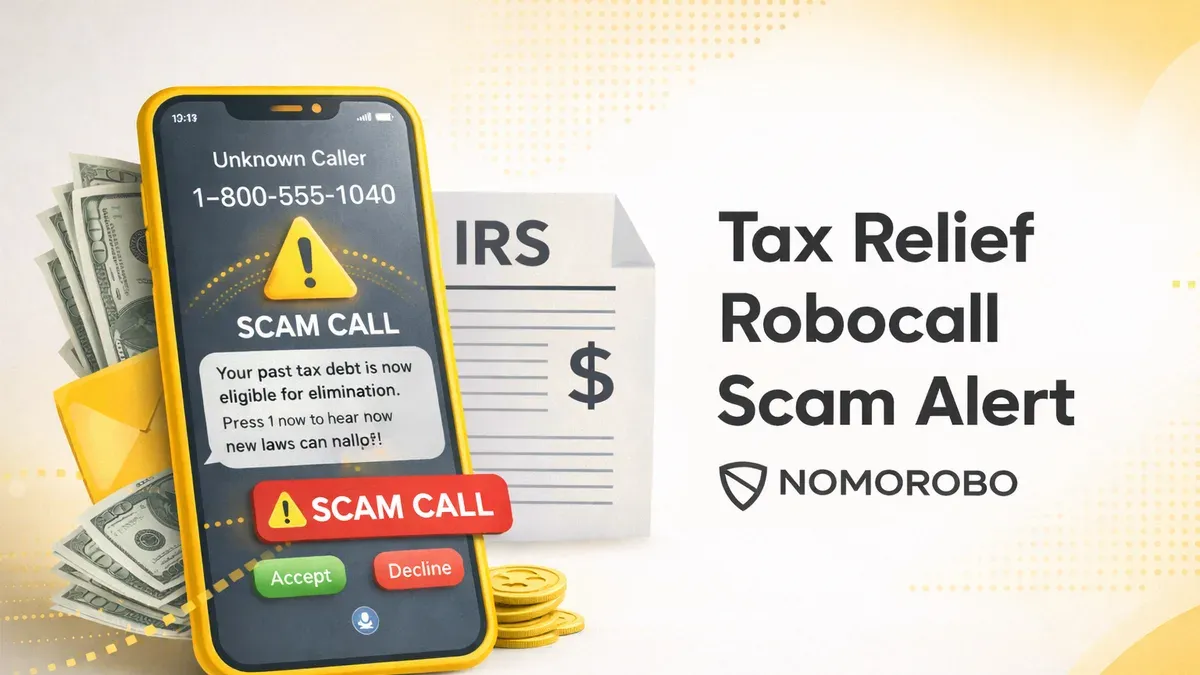
Carrier services also provide spam protection. Verizon’s Call Filter and AT&T’s Call Protect can automatically block or warn about potential scam calls. While these tools vary in effectiveness, combining phone and carrier features generally improves protection.
Tip: Popular third-party apps like Hiya, Truecaller, and RoboKiller offer advanced spam call filtering, using large databases and user reports to identify scam numbers. Users should review app permissions carefully before installation.
Registering on the National Do Not Call Registry can reduce telemarketing calls but does not block scam calls. Scammers often ignore this list, so additional filtering is necessary.
Spam call filtering works by analyzing incoming call metadata, such as caller ID and call frequency, matching it against databases of known spam numbers. When a match occurs, the call can be flagged, blocked, or sent to voicemail automatically.
To verify if an IRS call is legitimate, never provide information during the call. Instead, hang up and call the IRS directly using the official number listed on IRS.gov. The IRS does not initiate contact by phone to demand immediate payment or threaten arrest.
When receiving a suspicious call, hang up immediately without engaging. Avoid pressing any keypad numbers, as scammers may use this to confirm active lines for further targeting.
For example, a phone user might enable “Silence Unknown Callers” on an iPhone, register the number on the Do Not Call Registry, and install a reputable spam filtering app like Hiya. This layered approach reduces unsolicited calls and flags potential IRS scam calls before the user answers.
How to report IRS scam calls effectively
Reporting IRS scam calls to the proper authorities plays a crucial role in tracking, preventing, and shutting down these fraudulent operations. The main avenues for reporting include the IRS, the Federal Trade Commission (FTC), and local law enforcement agencies.
Where and how to report
Individuals should first report scam calls to the IRS by forwarding any suspicious emails or texts to [email protected]. Phone scam details can be reported via the IRS’s official web page dedicated to scams, where a form is available for submission. The FTC accepts complaints through its website at reportfraud.ftc.gov, which helps federal agencies identify patterns and intervene. Local law enforcement can be involved, especially if financial loss or identity theft occurs, by filing a police report at the local precinct.
What information to collect and provide
When reporting, it is important to gather specific details such as the caller’s phone number, the time and date of the call, the content or exact wording used, any caller ID information, and whether any personal information was shared. Recording the call, if legal in the jurisdiction, or taking notes immediately after can enhance the report's accuracy.
The impact of reporting
Reporting helps authorities identify scam call patterns and trace scammers’ methods, which leads to the shutdown of some operations. For example, coordinated reporting has contributed to federal enforcement actions that dismantled large scam networks. While IRS scam calls are a subset of broader scam categories, reporting them separately through IRS channels ensures specialized focus and faster response.
Tip: Keep a dedicated log of suspicious calls with dates and details—it simplifies reporting and strengthens investigations.
What spam calls are and how they relate to IRS scams
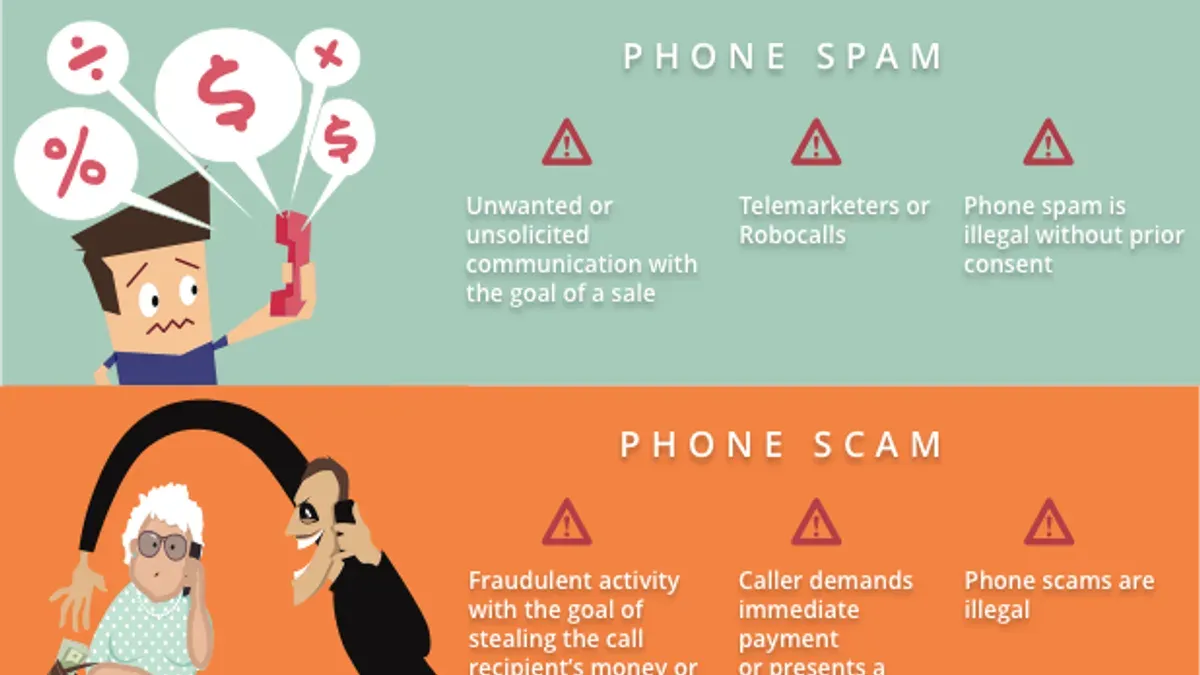
Spam calls refer to unsolicited telephone calls that are often unwanted, intrusive, and sometimes fraudulent. These calls frequently use automated dialing systems or random number generators to reach large numbers of recipients without prior consent. Characteristics of spam calls include repeated attempts, generic or deceptive messages, and sometimes scams aimed at extracting money or personal information.
IRS scam calls are a specific type of spam call where scammers impersonate the Internal Revenue Service to intimidate individuals into paying fictitious tax debts or revealing sensitive data. While all IRS scam calls fall under the broader category of spam calls, not all spam calls are IRS-related; spam calls can include telemarketing, debt collection, or other scam attempts.
Spam call filtering technologies play a crucial role in mitigating these calls. Carriers and smartphone operating systems offer built-in spam detection features, such as the "Silence Unknown Callers" option on iPhones or Android's "Caller ID & Spam Protection." These tools use databases of known spam numbers, user reports, and artificial intelligence to identify and block or warn about potential spam calls. Despite these measures, spam calls remain prevalent due to scammers frequently changing numbers and using caller ID spoofing.
For example, a person may receive a call showing a local number but with a recorded message threatening immediate arrest for unpaid taxes. This call is likely an IRS scam call, part of the larger spam call problem. Filtering technologies might block the call if the number has been reported, but some calls still bypass filters due to sophisticated spoofing methods.
Tip: Activating carrier-provided spam call blocking and regularly updating phone software can improve detection rates and reduce unwanted calls.
Common mistakes to avoid when dealing with IRS scam calls
One frequent error is responding to calls claiming to be from the IRS without verifying their authenticity. For instance, a retiree once received a call threatening immediate arrest for unpaid taxes and, fearing consequences, disclosed bank details before confirming the caller’s identity. This resulted in unauthorized withdrawals from the retiree’s account. Calls can be spoofed to appear legitimate, so relying solely on caller ID can be misleading.
Another mistake is sharing personal or financial information over the phone. Scammers often pressure individuals to provide Social Security numbers, credit card information, or banking details. Once shared, this data can be used for identity theft or financial fraud.
Failing to report scam calls also hinders broader protection efforts. A small business owner ignored repeated scam calls and did not report them, missing the chance to alert authorities who collect data to identify and disrupt scam networks.
Tip: Always verify suspicious calls by independently contacting the IRS through official channels before taking any action or sharing information.
Understanding why spam is called spam in calls, email, and food
The term "spam" originally refers to a canned meat product introduced by Hormel Foods in 1937. This pre-cooked pork product became popular during World War II due to its long shelf life and convenience. The word "spam" entered popular culture notably through a 1970 Monty Python sketch, where a group repeatedly sang "Spam, spam, spam" in a café, overwhelming the conversation and drowning out other dialogue.
This comedic repetition inspired the use of "spam" to describe unwanted or excessive communication. In technology, "spam" came to mean unsolicited messages, such as email advertisements or robocalls, that flood users' devices much like the Monty Python sketch flooded the scene. The repetition and intrusiveness are the common thread linking the food product, the sketch, and unwanted communications.
Spam calls and spam emails share this characteristic of being unsolicited and often repetitive, designed to capture attention or trick recipients. For example, an IRS scam call that repeatedly rings or uses aggressive tactics can be likened to the overwhelming presence of spam in the Monty Python skit. Unlike the food, which some enjoy, spam calls and emails are unwanted intrusions, often carrying risks of fraud or scams.
Tip: Understanding the cultural origin of "spam" highlights why filtering technologies focus on reducing the volume and repetitiveness of these communications to protect users.
Further reading
- Understanding Advance Fee Scams: How They Work and How to Avoid Them
- Types of Cyber Attacks: A Comprehensive Explainer Guide
- How to Check If an Email Sender Is Legit: Step-by-Step Guide
- How to Check If an Online Store Is Legit: A Step-by-Step Guide
Frequently asked questions
How to scam the irs?
Attempting to scam the IRS is illegal and can lead to severe penalties including fines and imprisonment. The IRS actively investigates fraudulent activities and scams targeting the agency. Instead of engaging in scams, individuals should focus on legitimate tax practices and reporting suspicious activities to authorities.
What is spam call?
A spam call is an unsolicited phone call, often made by scammers or telemarketers, aiming to sell products, collect personal information, or carry out fraud. These calls can be automated robocalls or live agents and frequently involve deceptive tactics to trick recipients into responding.
What is spam call means?
The term "spam call" refers to unwanted and usually repetitive phone calls that interrupt daily life. These calls typically have no prior consent from the recipient and often attempt to persuade or deceive the listener for commercial or fraudulent purposes.
What is spam call filtering?
Spam call filtering is a technology or feature provided by phone carriers, apps, or devices that detects and blocks suspicious or unwanted calls before they reach the user. These filters use databases of known spam numbers, call patterns, and user feedback to reduce the number of nuisance calls.
What is spam called in outlook?
In Microsoft Outlook, spam is commonly referred to as "junk email." Outlook includes a Junk Email folder where suspected unsolicited or malicious messages are automatically moved to protect the user's inbox. Users can manage junk email settings under the "Home" tab by selecting "Junk" and then "Junk E-mail Options."
Limits of this advice and additional steps
This advice focuses primarily on IRS scam calls received via phone and does not cover scams conducted through email or postal mail in detail; individuals concerned about those should consult specialized resources from the IRS and cybersecurity organizations. Call blocking and filtering tools can significantly reduce the volume of scam calls but do not guarantee complete elimination, as scammers continuously adapt their tactics. Some scam calls use advanced techniques like number spoofing and voice modulation that can bypass common filters, so maintaining vigilance is essential.
The single most effective next step is to report suspicious IRS scam calls to the Treasury Inspector General for Tax Administration (TIGTA) using their online complaint form or by calling their hotline. This action helps authorities track scam trends and improve protections for all taxpayers.