
How to See Where You're Logged Into Kik: Step-by-Step Guide
This guide shows how to see where you're logged into Kik and manage active sessions for better account security.

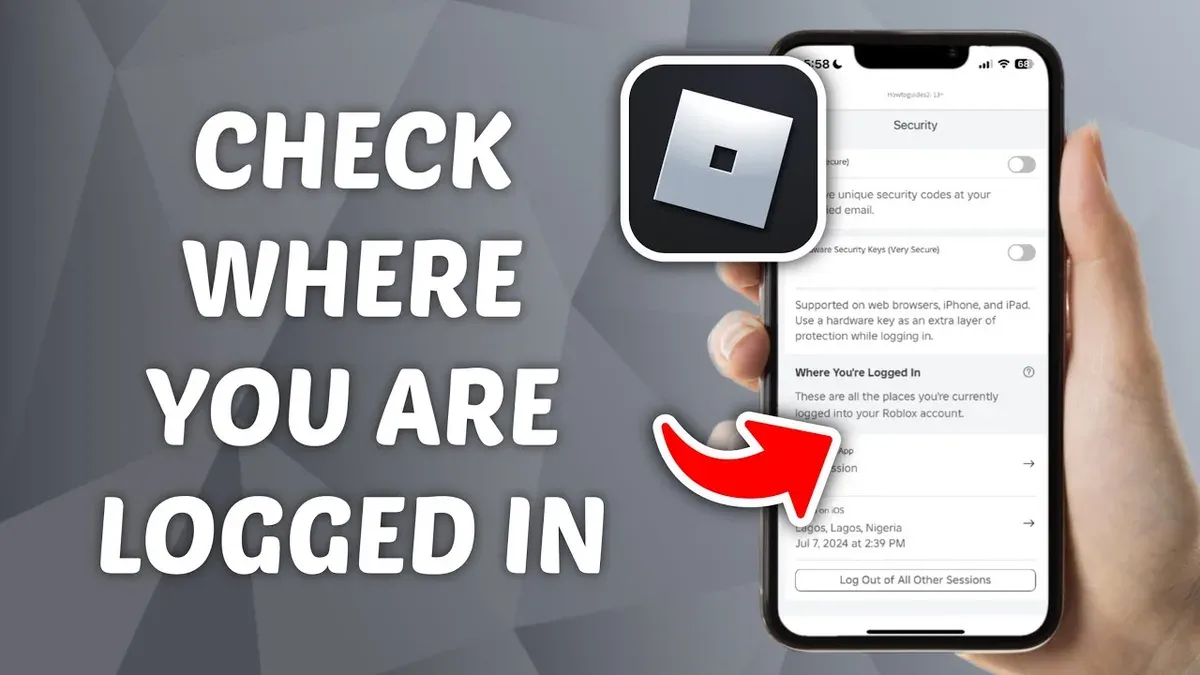
This guide explains how to see where you're logged into Kik and offers practical advice on using the app across devices, including PC and live streaming features. Verifying active Kik sessions helps maintain account security by identifying unauthorized logins. The process involves navigating the Kik app settings to check active devices and managing login sessions effectively.
Beyond session management, the guide covers signing into Kik on a PC or laptop, which requires using an Android emulator since Kik lacks a dedicated desktop app. It also addresses how to find contacts based on privacy preferences and how to start live streaming within Kik. Troubleshooting common issues with login and streaming completes the overview, providing a comprehensive resource for Kik users seeking control over their accounts and enhanced usage options.
Before you start: What is needed to check active Kik logins
To verify where a Kik account is logged in, a user must have a verified Kik account with the correct login credentials ready. Access to the Kik mobile app on Android or iOS is essential, as this is the primary interface for checking active sessions. Alternatively, having the Kik desktop client installed on a Windows PC or Mac provides another option, though the mobile app remains the most reliable for session management.
An active internet connection is required to retrieve real-time data on current login sessions. Without stable connectivity, the app cannot update session information or sync account status accurately. Users should also possess a basic familiarity with app navigation, particularly how to access settings and privacy menus, since these areas contain the controls for viewing active devices.
Kik supports devices running Android and iOS mobile operating systems as well as Windows and macOS for desktop clients. The app is downloadable from Google Play Store and Apple App Store for mobile devices and from official Kik sources for desktop installation. Ensuring the app is up to date improves compatibility and access to the latest security features.
- Ensure the Kik app is installed on a supported device (smartphone or PC). Once installed, open the app and reach the login screen.
- Enter verified username and password credentials to sign in. Successful login leads to the main chat interface.
- Confirm stable internet connectivity; the app should load chats and contacts without errors.
- Navigate to the settings menu by tapping the gear icon or profile picture, typically found in the top corners.
- Locate the security or privacy section where active sessions or devices are listed. This confirms readiness to check login sessions.
How to sign in my Kik account on PC
- Download the official Kik app for Windows or Mac from the Kik website. After downloading, open the installation file and follow the on-screen prompts until the app installs successfully. Once installed, launch the Kik app to access the login screen.
- At the login screen, enter the username or email associated with the Kik account in the provided field. Then, input the account password in the password field. Click the "Sign In" button to proceed.
- If preferred, select the Google sign-in option, which allows login using Google account credentials linked to Kik. Clicking this option opens a Google authentication window; complete the login process to return to Kik.
- After submitting login details, the app verifies the credentials. A successful login redirects to the Kik main chat interface, confirming access. If the login fails, the app displays error messages such as "Incorrect username or password" or "Account not found." Users should verify their inputs or reset the password if necessary.
- Note that some users may opt for web-based Kik clients if available, but these options can vary in stability and feature support compared to the official app.
Tip: Use the "Remember Me" checkbox during login to avoid entering credentials on subsequent sessions, but only on secure personal devices.
How to see where you're logged into Kik from the app
To review active sessions on Kik, open the app and navigate to the account settings. Tap the profile icon in the top-left corner, then select "Settings" from the menu. Inside Settings, scroll down and locate the "Privacy" or "Security" section, where session management is typically found.
Within the Privacy or Security area, look for "Active Sessions" or "Devices". This list displays all devices currently logged into the account, showing details such as device type, approximate location, and last active time. For example, it might list "Android phone – New York – last active 2 hours ago" or "Windows PC – Chicago – last active 10 minutes ago."
If any session appears unfamiliar or suspicious, select that session and choose the "Log Out" option to terminate access. Logging out of unwanted sessions helps maintain account security and prevent unauthorized use.
- Open Kik app and tap the profile icon at the top-left.
- Select "Settings" from the menu.
- Scroll to and tap "Privacy" or "Security."
- Tap "Active Sessions" or "Devices" to see logged-in devices.
- Review the list for device type, location, and last activity.
- Select any suspicious session and tap "Log Out" to remove it.
Tip: Regularly checking active sessions can alert users to unauthorized access early.
How to find people on Kik and search by privacy settings
Locating contacts or new users on Kik depends on using the built-in search functions while respecting individual privacy settings. The primary ways to find someone include searching by username or browsing recent chat history. Entering a username in the search bar will display matching profiles only if those users have set their discoverability to "Anyone" or "Friends of Friends." Users who restrict discoverability to "Friends Only" or disable it entirely will not appear in search results.
Privacy settings under "Settings > Privacy > Who Can Find Me By Username" control this feature. Setting it to "Anyone" allows all Kik users to find the account via username search. Choosing "Friends of Friends" limits visibility to mutual contacts, while "Friends Only" or "Nobody" prevent appearing in username searches altogether.
Previous chat interactions influence contact suggestions. Users recently messaged or who share group chats may appear in the "Recent Chats" or "Suggested Contacts" lists, even if their discoverability is limited. This ensures ongoing conversations remain accessible but does not expand discoverability beyond existing connections.
- Open the Kik app and tap the search icon at the top.
- Type the username of the person to find; matching profiles appear if privacy settings allow.
- Review the "Recent Chats" list for contacts previously messaged.
- Go to "Settings > Privacy > Who Can Find Me By Username" to view or update discoverability options.
- Adjust privacy settings to control who can locate the account via search, then repeat the search to note changes in results.
Tip: Setting discoverability to "Friends of Friends" balances privacy with ease of finding new contacts.
How to start streaming and go live on Kik
To start streaming or go live on Kik, first open the app and access the video chat feature. Locate the chat with the contact or group intended for streaming, then tap the video camera icon to initiate a live video session. This serves as Kik's primary method for live interaction within the app.
Before starting the stream, confirm that the app has permissions to use the camera and microphone. Privacy settings allow control over who can join or view the stream, so adjust these by selecting the appropriate audience options in the video chat settings.
For streaming on PC or laptop, third-party software such as OBS Studio or Streamlabs OBS can be used to capture and broadcast Kik video chats if the device supports video input from the app. These programs allow streaming overlays and better control over audio and video quality.
Tip: Use a wired internet connection during streaming to maintain stable video and audio quality.
- Open Kik and navigate to the chat where the live stream will occur; tapping the video camera icon starts the video chat.
- Grant camera and microphone permissions if prompted; the live video feed should activate.
- Adjust privacy settings to select who can view or join the stream; expect an interface option labeled “Audience” or similar.
- On PC, install and open OBS Studio or Streamlabs OBS; add a new video capture source linked to the Kik app's video feed.
- Configure stream output settings such as resolution and bitrate in the software; start streaming to begin broadcasting.
- Interact with viewers using Kik’s chat features and manage stream settings like muting or switching cameras directly within the app or streaming software.
How to use Kik on Windows PC and laptop
Installing Kik on a Windows PC or laptop involves downloading the official desktop app from the Kik website or a trusted app store. After installation, launch the app and sign in using the same credentials as on the mobile device. Upon successful sign-in, Kik synchronizes messages and contacts automatically, ensuring continuity between mobile and desktop environments.
- Download the Kik desktop app from the official site or Microsoft Store; the installer file should appear in the Downloads folder once complete.
- Run the installer and follow on-screen prompts; the Kik app window should open upon completion.
- Enter the username, email, or phone number and password, then click "Sign In"; the main chat interface with recent conversations should load.
- Allow synchronization of contacts and message history; expect previous chats and contact lists to populate within moments.
- Explore chat features, group messaging, and media sharing by clicking the respective icons; media files can be uploaded from the PC's storage.
While the PC version supports core messaging features, certain functionalities found on mobile, such as Kik's built-in browser, Snap and Chat, or some advanced privacy controls, are limited or unavailable. Notifications may also behave differently due to desktop operating system restrictions.
| Feature | Mobile App | PC App |
|---|---|---|
| Text and group chats | Fully supported | Fully supported |
| Media sharing (photos, videos) | Fully supported | Supported |
| Built-in browser | Available | Not available |
| Snap and Chat (self-destructing messages) | Available | Not available |
| Privacy settings management | Full access | Limited access |
| Live streaming | Available | Supported with app |
Tip: For smooth synchronization, keep both mobile and PC apps updated to the latest versions.
How to get help from Kik if login or streaming fails
Common login issues include incorrect passwords, account lockouts, or verification errors. Streaming problems often stem from permission denials, unstable internet connections, or outdated app versions. Error messages like "Invalid credentials," "Account temporarily locked," or "Unable to start stream" indicate specific problems that require targeted solutions.
To reset a password or recover an account, follow these steps:
- Open the Kik app or visit the Kik website and select "Forgot Password." A password reset link will be sent to the registered email; receiving this confirms the request succeeded.
- Click the reset link and enter a new password following the security requirements. Confirmation appears upon successful update.
- If access is lost due to email issues, use the account recovery form on Kik's support page, providing username, email, and any recent device info. A response email indicates the process is underway.
Contact Kik support through the app by navigating to Settings > Help > Contact Us, or via the official website’s support section. Social media channels like Twitter (@KikSupport) also offer updates and direct messaging options. When contacting support, include the username, device type, app version, error messages, and a concise problem description.
Tip: Keep screenshots of error messages and any steps taken handy when escalating issues to speed up resolution.
Troubleshooting: Why can't I see my active Kik sessions or sign in on PC?
Failure to view active Kik sessions or sign in on PC often stems from app or device compatibility issues. Kik officially supports Windows 10 and later versions; older operating systems or non-standard hardware may prevent proper app function. Confirm the PC meets these requirements and that the latest Kik version is installed from the official source.
Network and connectivity problems are frequent causes. Ensure the internet connection is stable and unrestricted by firewalls or VPNs that might block Kik servers. Switching between Wi-Fi and mobile data or resetting the router can resolve intermittent connectivity issues.
Account security restrictions such as temporary bans or multi-factor authentication can also block access. If the account is locked or flagged, Kik often restricts session visibility and sign-in attempts until verification steps are completed via email or phone number.
Some users misunderstand Kik’s session visibility features. The app shows active sessions only on the device itself, not through PC, as full session management is limited to mobile apps. Recognize that PC sign-in might not reveal all active devices, requiring use of the mobile app for complete session control.
To fix common sign-in or session visibility problems:
- Verify PC compatibility with Windows 10 or later and update the Kik app; successful update shows the sign-in screen without errors.
- Check internet connection by opening a browser; if websites load, network is active. If not, reset the router or disable VPN/firewalls temporarily.
- If account access is denied, open the email linked to Kik for security alerts or verification requests. Completing these restores access and session visibility.
- Use the mobile app to review active sessions if the PC app shows none; this confirms whether sessions exist or if the issue is app limitation.
Frequently asked questions
How to sign up for kik?
Download the Kik app from the official app store for Android or iOS. Open the app and tap on 'Sign Up'. Enter a unique username, a valid email address, and a strong password. Complete the verification steps, agree to the terms, and the account will be ready to use.
How to go live on kik?
Launch the Kik app and open a chat or group where live streaming is supported. Tap the video icon or the camera button to start a live broadcast. Confirm permissions for camera and microphone if prompted. The live stream will then be visible to participants in that chat or group.
How to get kik on pc?
Kik does not offer an official desktop app but can be accessed on PC using an Android emulator like BlueStacks. Install the emulator, then download Kik from the Google Play Store within the emulator. Log in with existing credentials to use Kik on the PC.
How to stream on kik?
Open a group chat in Kik that supports video. Tap the video camera icon to begin streaming live. Ensure the device has granted camera and microphone access. The stream will be shared in real-time with group members.
How to stream on kik pc?
Since Kik lacks a native PC streaming feature, use an Android emulator to run the Kik app on a computer. After logging in, start a group video chat and tap the video icon to initiate streaming. This replicates the mobile streaming experience on a PC.
What this advice does not cover and who should do something else
Kik does not currently offer a comprehensive session management dashboard like some other platforms, so visibility into active logins may be limited or indirect. This guide does not cover account recovery in cases of hacking beyond basic support directions; users with compromised accounts should follow official Kik security protocols and contact Kik support directly for assistance. Additionally, this article does not address advanced privacy settings beyond the basics or detailed streaming software configurations.
For users seeking to fully secure a compromised account or requiring detailed forensic access logs, contacting Kik’s official support is the recommended next step. The app’s limited session visibility means that manual vigilance and routine password updates remain essential for account security.
The most useful next step after reviewing active sessions and device access is to regularly update the Kik app to the latest version and enable two-factor authentication if available. This helps maintain security across devices and prevents unauthorized access.
See also: How to See Where You're Logged Into Instagram: Step-by-Step Guide · How to See Where You're Logged Into Discord: Step-by-Step · How to See Where You're Logged Into Facebook: A Step-by-Step Guide



