How to Identify and Respond to Capital One Scam Texts Safely
Learn to recognize and respond safely to Capital One scam texts designed to steal your sensitive information.

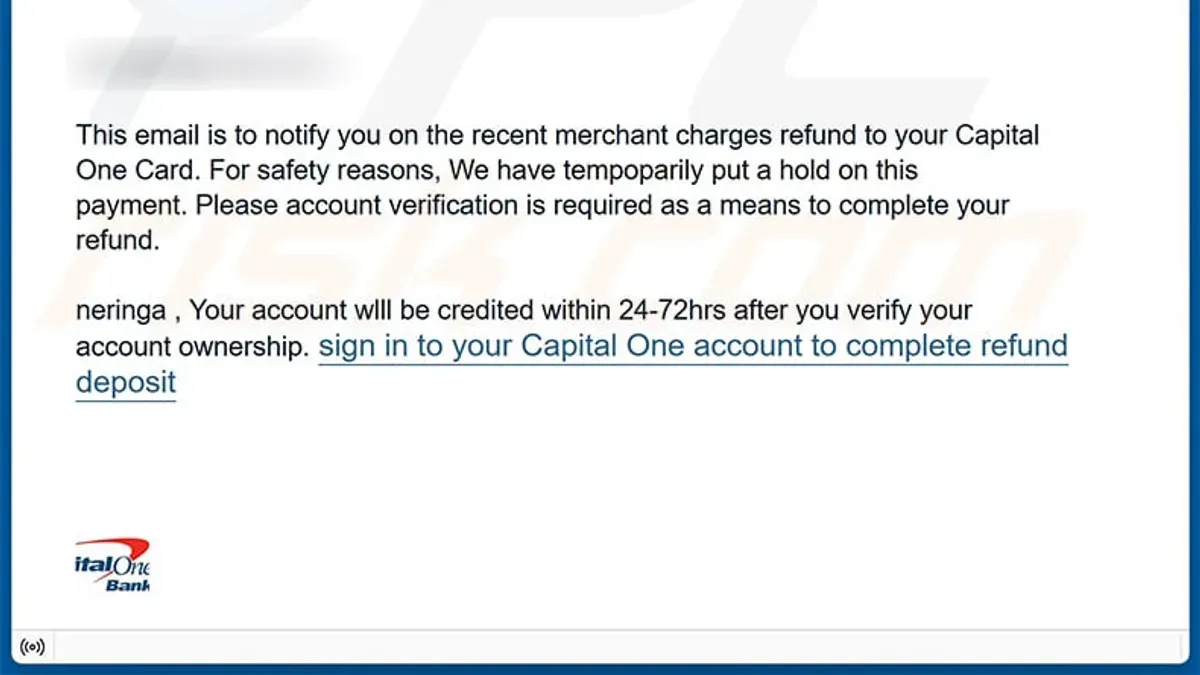
Receiving an unexpected Capital One scam text can be alarming. These messages are designed to trick customers into revealing sensitive information or clicking harmful links. Recognizing these scams and responding cautiously is essential to protect yourself from fraud and account compromise.
What Capital One Scam Texts Typically Look Like
Capital One scam texts often share common traits intended to prompt quick, unconsidered reactions. Recognizing these patterns helps avoid falling victim.
- Urgent or Fear-Inducing Language: Scammers use phrases like "urgent action required," "account suspended," or "unauthorized transaction detected" to trigger anxiety and rush recipients into responding.
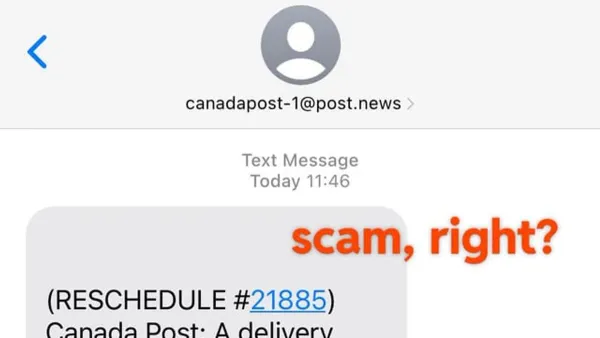
- Sender Number Variations and Spoofing: These texts may come from random or unfamiliar numbers. Some scammers use number spoofing to impersonate official Capital One short codes, mimicking legitimate sender IDs to reduce suspicion. Note that Capital One’s official SMS messages come from short codes such as 226-73, so messages from full phone numbers or unusual short codes should be treated with caution.
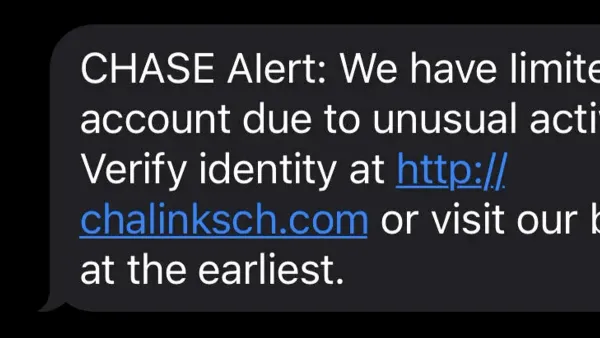
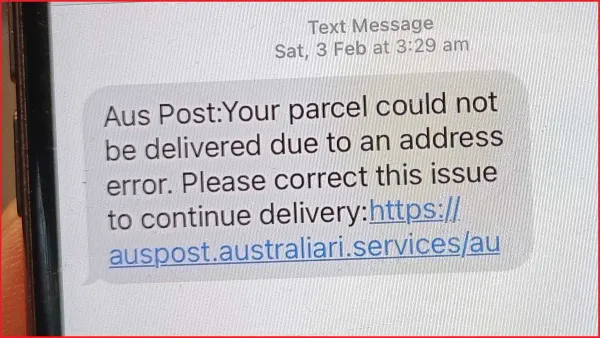
- Fake Links Mimicking Official URLs: Links often resemble Capital One’s real web addresses but include subtle changes, such as misspellings, added characters, or unusual domains (e.g., capitalone-secure.com, capltonone.xyz). Hovering over a link or inspecting it closely can reveal inconsistencies. A common step people miss is checking the URL’s domain carefully; scammers often replace letters with similar-looking characters or add extra words to deceive users.
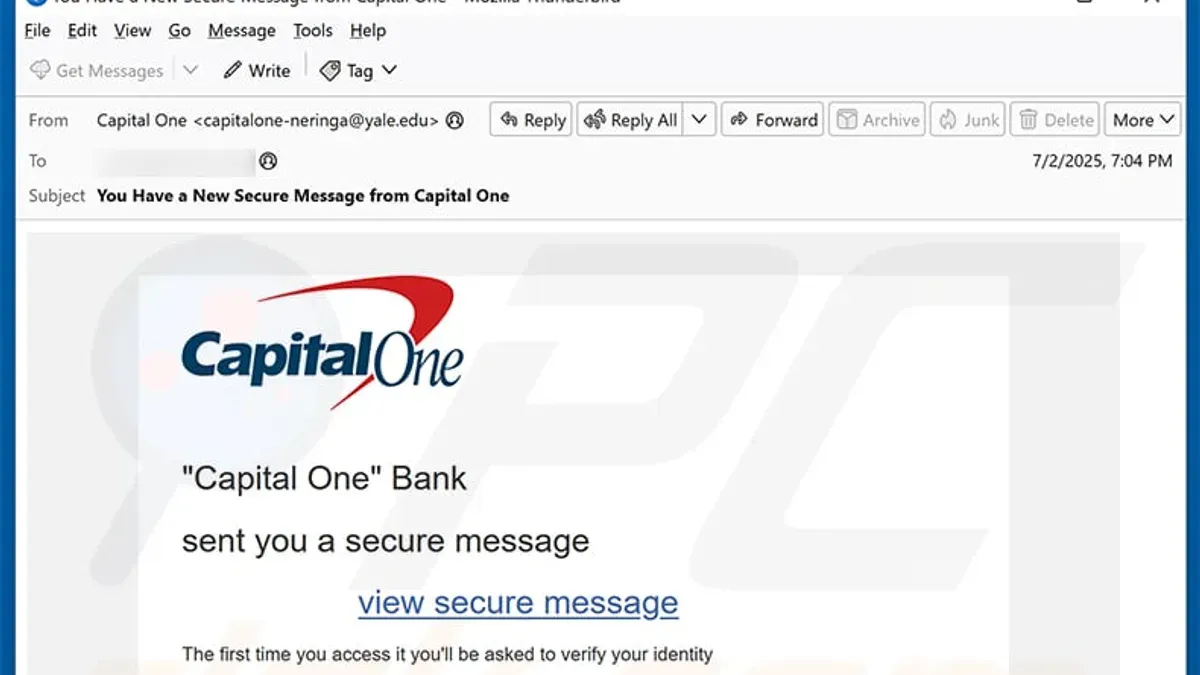
- Impersonation of Branding and Customer Service: Messages may include Capital One logos, customer service names, or reference specific account details to appear authentic. These are often copied from legitimate communications but may have formatting errors or inconsistencies. Capital One does not include full account numbers in texts, only partial identifiers.
Example Scam Text Transcript:
"Capital One Alert: Suspicious activity detected on your account. Visit capitalone-secure.com now to verify your identity or your account will be suspended."
Comparison of URLs:
| Legitimate URL | Fake URL Example |
|---|---|
| https://www.capitalone.com | https://capitalone-secure.com |
| https://services.capitalone.com | https://secure-cap1tone.com |
How to Verify Whether a Text Is a Legitimate Capital One Communication
Before clicking links or replying, take these steps to confirm a text’s authenticity.
- Check Official Capital One Channels: Log into the Capital One app or official website to view any alerts or messages. Legitimate communications will also appear there. The app’s notification center is a reliable place to confirm alerts.
- Contact Capital One Directly: Use official phone numbers listed on Capital One’s website or the back of your card to inquire about the text. Avoid using any numbers or links included in the suspicious message, as these may connect you to scammers.
- Review Capital One’s Communication Policies: Capital One clearly states on its website that it will never ask for sensitive information such as passwords or full Social Security numbers via unsolicited texts.
- Do Not Reply Directly to Suspicious Texts: Responding can confirm your number is active and lead to further scam attempts. Instead, report the message through official channels.
Verification Process Example:
- Receive a text alerting you of "suspicious activity."
- Open the Capital One app and check your recent alerts in the notification center.
- If no alert matches the text, call Capital One’s official number found on the back of your card or website.
- Report the suspicious text and follow their guidance.
Step-by-Step Actions to Take If You Receive a Suspicious Capital One Text
Quick and deliberate actions can minimize risk if you suspect a scam text.
- Do’s:
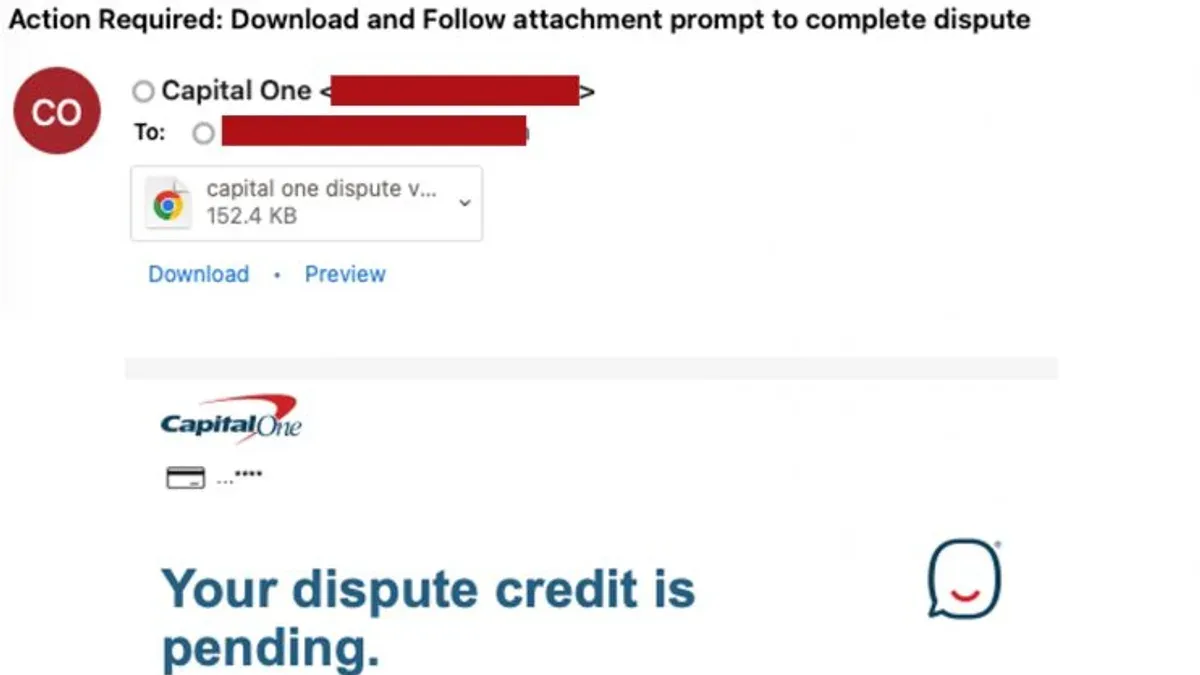
- Do not click on any links or download attachments.
- Do save the message as evidence for reporting.
- Do verify by checking your account via official apps or contacting Capital One directly.
- Do report the suspicious text to Capital One using their official phishing report short code 266-73 or via their website.
- Do monitor your account closely for any unauthorized transactions.
- Don’ts:
- Don’t reply to or engage with the suspicious sender.
- Don’t provide personal or account information via text.
- Don’t assume the message is legitimate because it uses familiar branding.
- Reporting Instructions: Forward scam texts to Capital One’s official phishing report number (266-73) or email. Also, report to the Federal Trade Commission or your local consumer protection agency.
- Monitoring and Account Safety: Watch for unusual charges, and if you suspect compromise, consider freezing your credit reports or changing your passwords promptly.
- Decision Tree for Response:
- Received suspicious text → Do not click links → Check Capital One app notifications → Alert found? → Yes: Follow official instructions → No: Contact customer service → Report message → Monitor account
- Capital One employs multiple security protocols to protect customers and respond to fraud.
- Fraud Detection and Alerts: Advanced monitoring systems analyze account activity for unusual transactions and alert customers via official channels.
- Zero-Liability Policy: Customers are not responsible for unauthorized charges if reported promptly.
- Dedicated Support for Fraud Victims: Capital One offers specialized customer support teams to assist victims in resolving issues and restoring account security.
- Limitations of Protections: While Capital One’s systems are robust, they depend on customer vigilance to avoid phishing and scam attempts. Not all scams are blocked before reaching customers.
- Security Improvements: Following prior phishing waves, Capital One enhanced multi-factor authentication and real-time monitoring to reduce fraud risk.
- Understanding scammer tactics helps anticipate and resist evolving threats.
- Psychological Triggers: Scammers exploit urgency, fear, and curiosity to bypass logical thinking and prompt immediate action.
- New Trends in Scam Tactics: Recent scams increasingly use personalized information obtained from data breaches or social media to appear more credible.
- Customizing Based on Current Events: Scams may reference recent Capital One news, service outages, or public financial events to create plausibility.
- Staying Updated: Follow trusted cybersecurity news sources and Capital One’s official communications to learn about new scams and recommended precautions.
- Comparison of Scam Text Language Over Time: Earlier scams used generic wording; current scams often include specific customer names or transaction details, increasing their deceptiveness.
- Look for urgent language, suspicious sender numbers, and abnormal links. Verify through the official Capital One app or contact customer support using verified contact information.
- Do not click links or reply. Verify the claim through official channels, report the message to Capital One, and monitor your accounts for unusual activity.
- Yes. Besides reporting to Capital One, you can forward scam texts to the Federal Trade Commission and notify local authorities to aid in tracking and enforcement.
- No. Always avoid clicking links in unsolicited texts. Access your account only by visiting Capital One’s official website or apps directly.
- This article provides guidance and does not replace direct communication with Capital One or professional cybersecurity consultation. If you experience lost funds or identity theft, contact experts and authorities immediately.
Important Caveats
Is it safe to click links in a text that claims to be from Capital One?
Can I report Capital One scam texts to the government or law enforcement?
What should I do immediately after receiving a suspicious Capital One text?
How can I tell if a Capital One text message is real or fake?
Frequently Asked Questions