How to Spot and Avoid Australia Post Scam Texts
Discover how to identify and avoid Australia Post scam texts to protect your personal information and finances from fraudsters.

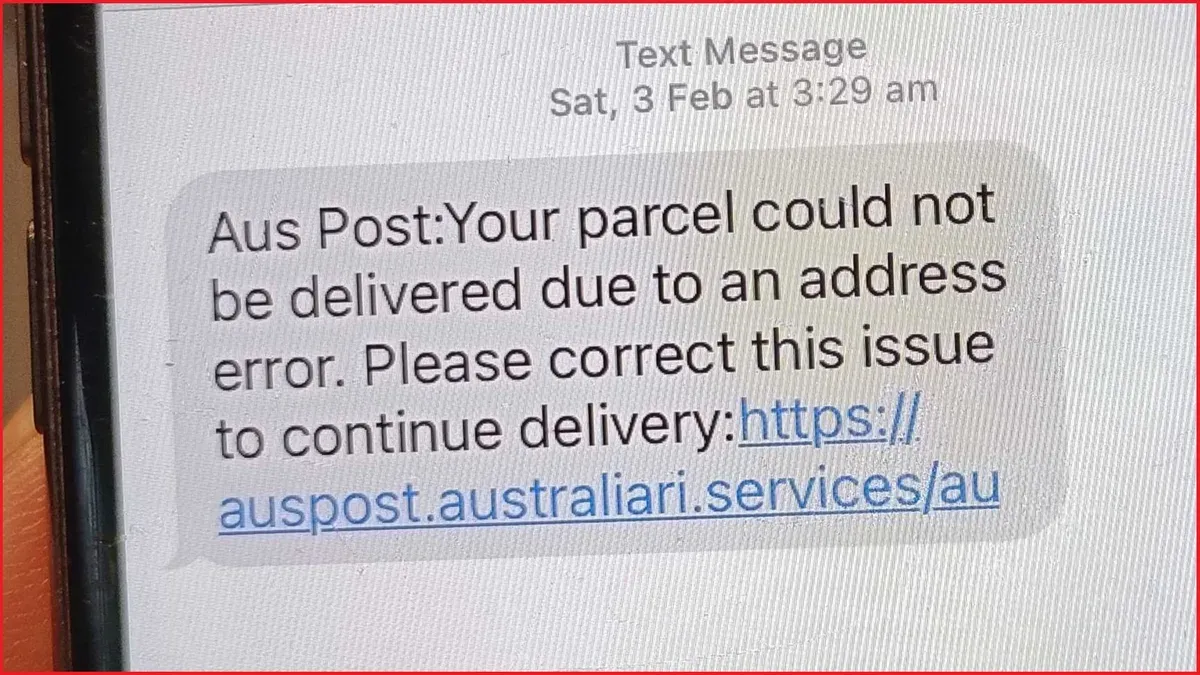
Australia Post scam text messages have become increasingly sophisticated, targeting everyday Australians with convincing messages that appear legitimate. Learning to identify these scams is essential to protecting your personal information and finances from fraudsters.
Understanding Australia Post Scam Texts: What Makes Them Convincing?
Scammers combine psychological pressure with technical tricks to mimic authentic Australia Post communications, making it difficult for many recipients to distinguish genuine messages from fraudulent ones.
- Common themes and language used in scam texts: Messages often mention missed deliveries, parcels held for payment, or urgent actions required to avoid penalties.
- How scammers exploit urgency and fear: Texts create a sense of immediate risk, pushing recipients to act quickly without carefully evaluating the message.
- Use of spoofed phone numbers and official logos: Scammers fake sender IDs to display numbers resembling official Australia Post contacts. They may embed logos or branding to increase the message’s credibility.
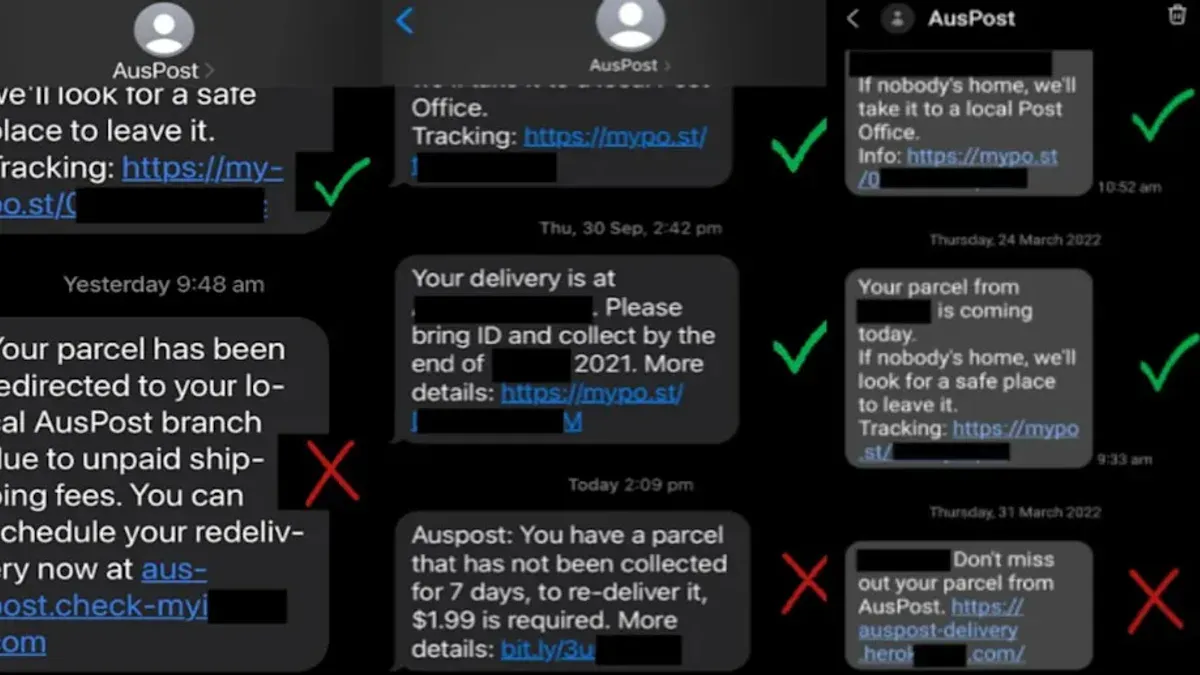
- Differences between official Australia Post messaging and scams: Genuine texts usually include clear sender information, avoid urgent threats, and direct recipients to official websites rather than short or suspicious URLs. A common step people miss is checking the SMS sender ID in message details; official Australia Post texts come from sender IDs like "AusPost" rather than random numbers.
For example, a scam text might read: "Australia Post: Your parcel is awaiting payment. Pay $2.99 now to avoid return. Link: bit.ly/xyz123". Official messages typically avoid short links and provide a tracking number directly, encouraging users to visit auspost.com.au/track to verify.
Behavioral Clues to Spot a Scam Text Beyond the Obvious
Subtle behavioral clues help reveal scam texts and are often overlooked.
- Unusual requests for personal information or payment: Legitimate messages rarely ask for credit card details, passwords, or direct payments via text links.
- Links that redirect to unofficial or suspicious websites: Hovering over links or using URL checkers can expose redirects to non-Australia Post domains. Note that scammers often use URL shorteners to mask the destination, so checking the expanded URL is critical.
- Inconsistencies in grammar, spelling, or message formatting: Scam texts may vary in style, contain typos, or use inconsistent capitalization.
- Patterns in timing and frequency of scam text campaigns: Scammers often send bulk messages at odd hours or in clusters targeting specific regions or demographics.
For instance, a message might include a link claiming to be a tracking page but actually leads to a fraudulent site designed to capture personal details. Comparing the destination URL to the official Australia Post domain (auspost.com.au) can reveal the deception.
Step-by-Step Actions to Take When You Receive a Suspicious Australia Post Text
When you suspect a scam, follow these steps to protect yourself:
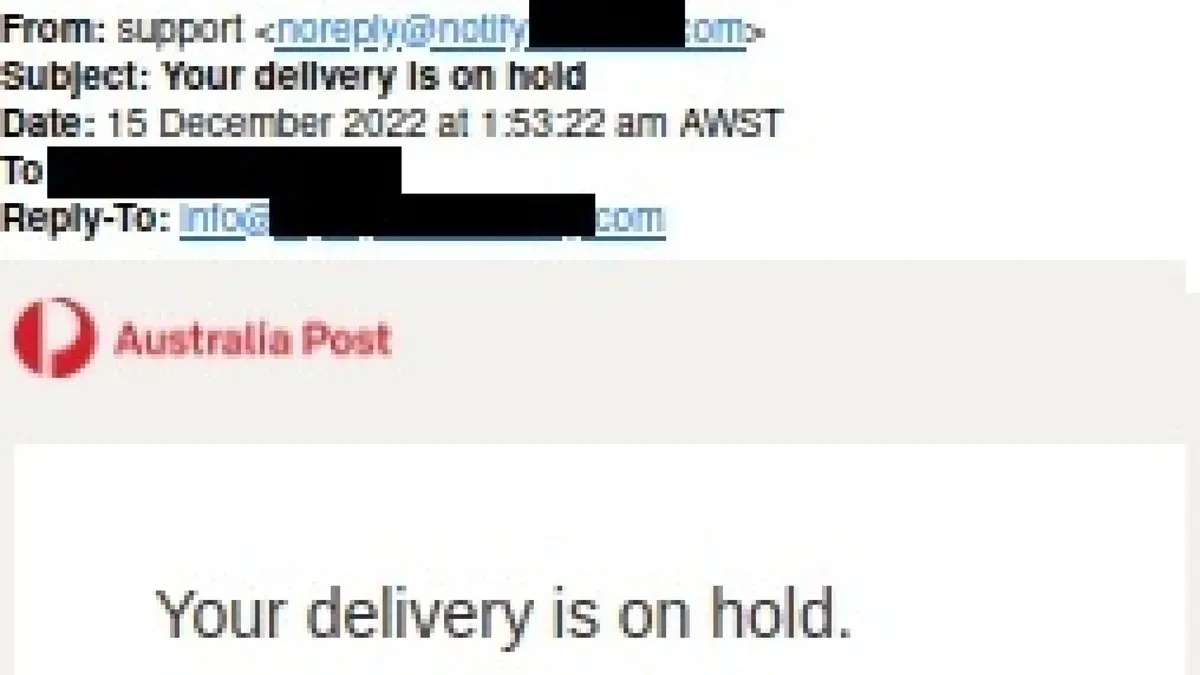
- Do not click any links or call numbers provided in the text. These may lead to phishing sites or scammers directly.
- Verify the message through official Australia Post channels. Visit the Australia Post website or use their official tracking tools by entering parcel numbers manually. Avoid using links in the text; instead, type the URL directly or use the official app.
- Report the suspicious text to authorities. Forward scam texts to the Australian Cyber Security Centre at "[email protected]" or use their online reporting portal.
- Block the sender on your smartphone. Both iOS and Android devices allow you to block numbers and filter spam messages; enabling these features improves protection.
For example, after receiving a suspicious message, you can visit https://auspost.com.au/track and enter the parcel number from the text (if any) to verify its status directly.
Protecting Yourself Long-Term: Tools and Habits to Reduce Scam Risk
Prevention is key to reducing the risk posed by scam texts.
- Set up SMS filtering and spam detection apps. Many smartphones come with built-in spam filters; third-party apps can provide additional layers of protection. However, no filter is foolproof, so remain vigilant.
- Regularly update phone software and apps. Updates often include security patches that help protect against new scam techniques.
- Understand privacy settings related to phone number sharing. Limit sharing your phone number on public platforms or websites to reduce exposure.
- Educate family and friends about scam text risks. Sharing knowledge helps build a community less vulnerable to scams.
Choosing reputable apps and enabling native phone features improves your defenses, but always verify suspicious messages independently.
What to Do If You’ve Fallen Victim to an Australia Post Scam Text
If you suspect you have been scammed, take immediate action:
- Report the fraud to Australian Cybercrime authorities. Use official channels such as the Australian Cyber Security Centre’s online reporting tool.
- Contact your bank and credit agencies. Inform them of potential fraud to secure your accounts and monitor for suspicious activity.
- Access support services for identity theft victims. Several government and non-profit organizations provide guidance and assistance.
- Prevent further damage by changing passwords and monitoring accounts closely. Setting up alerts on financial accounts can help detect unauthorized activity early.
Prompt reporting and action can limit financial and identity damage after falling victim.
Important Considerations and Caveats
This article focuses solely on scam texts impersonating Australia Post. Scams involving other delivery services or phishing emails require different approaches and specialist advice.
Technical instructions for blocking texts may vary depending on your smartphone model and software version; consult your device’s support resources for details.
While behavioral guidelines improve detection, scammers continuously adapt their tactics. Staying alert and cautious remains essential.
Frequently Asked Questions
How can I tell if an Australia Post text is genuine or a scam?
Check for official sender details such as the sender ID (e.g., "AusPost"), avoid clicking unknown links, verify parcel information on the Australia Post website by entering tracking numbers manually, and watch for unusual requests or urgent threats.
What should I do if I accidentally clicked a link in a scam text?
Immediately disconnect from the internet, run a security scan on your device, change any passwords that may be compromised, and contact your bank if you provided financial information.
Can I report scam texts to Australia Post or the government?
Yes, you can report suspicious messages to the Australian Cyber Security Centre and notify Australia Post through their official channels.
Are there apps that can help block scam texts on my phone?
Both iOS and Android have built-in spam filtering features, and there are reputable third-party apps designed to detect and block scam messages. However, no app guarantees complete protection, so remain cautious.