How to Recognize and Respond to Bank of America Scam Texts Safely
Identify and respond safely to Bank of America scam texts to protect your personal and financial information from fraud.

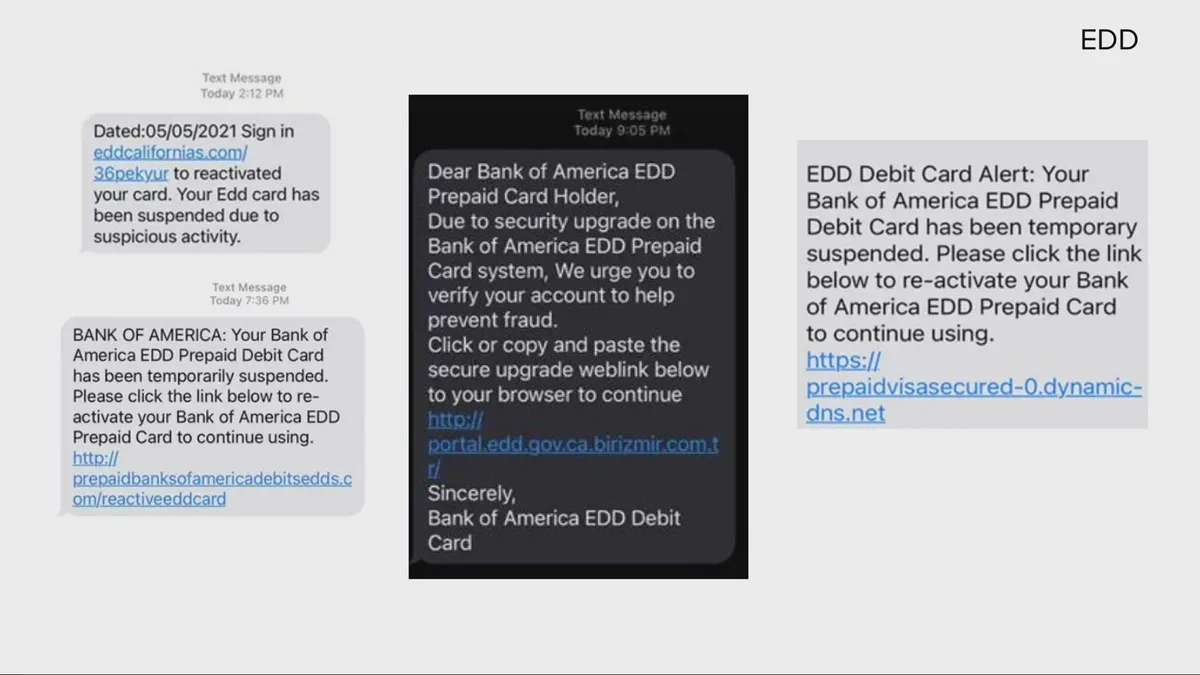
Receiving a suspicious message claiming to be from Bank of America can cause concern. Identifying a Bank of America scam text accurately is essential to protect your finances and personal information. This article guides you through safe verification methods and advises on the best actions to take without exposing yourself to further risk.
Understanding the Nature of Bank of America Scam Texts
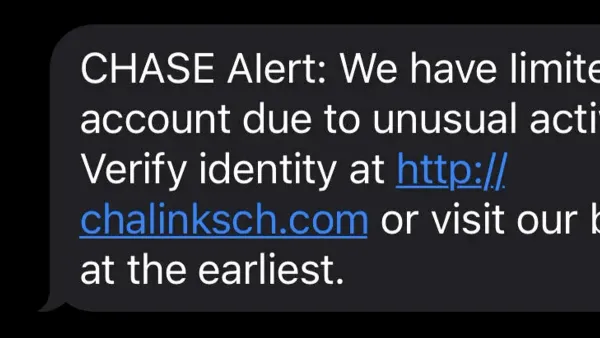
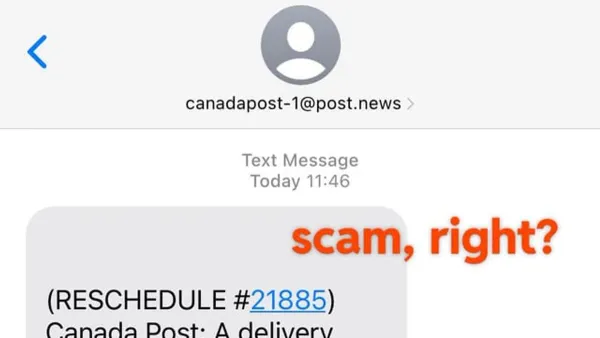
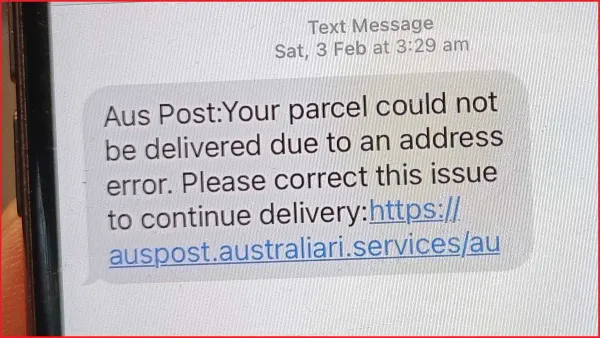
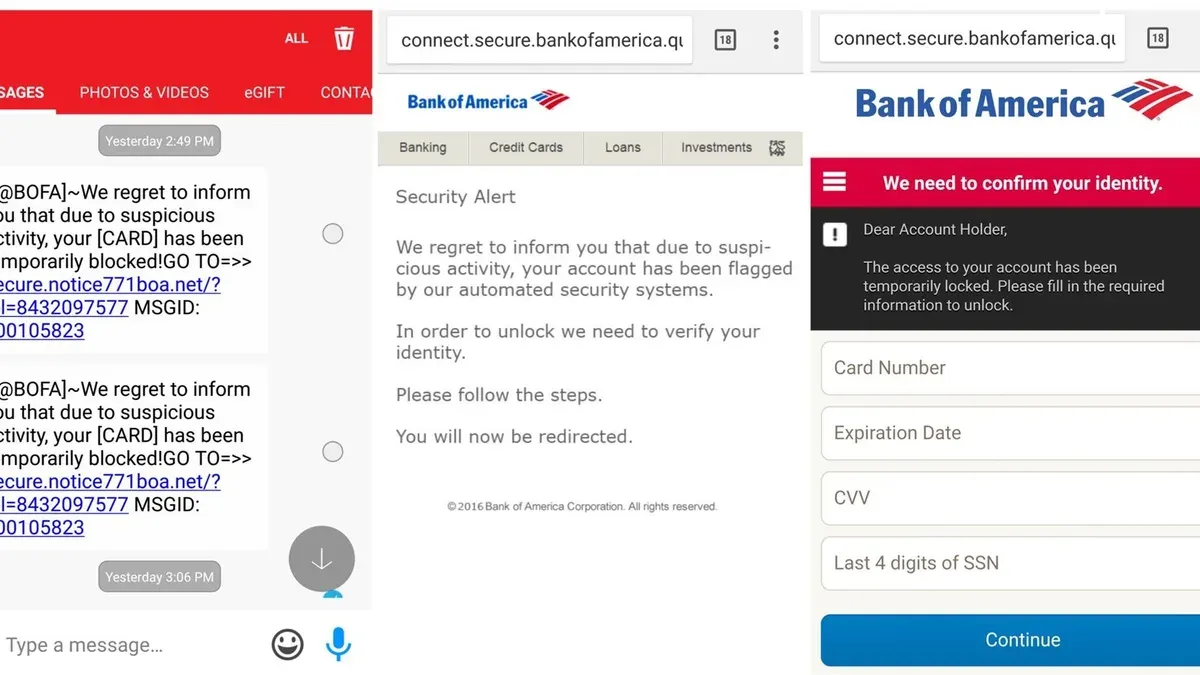
Scam texts posing as Bank of America often use urgent language to prompt immediate action, warning of account compromise or suspicious activity. These messages typically include fake links that appear legitimate but lead to fraudulent websites designed to steal credentials.
- Common themes: urgent calls to verify accounts, threats of suspension, or notifications of unusual charges.
- Sender spoofing: scammers can fake the sender’s number or display name to appear as Bank of America, making the message look authentic.
- Targeting rationale: Bank of America has millions of customers, making them a frequent target for scammers seeking sensitive financial data.
Consumers often receive texts such as: “Bank of America Alert: Your account has been locked due to suspicious activity. Verify now at [malicious link].” Scam texts referencing Bank of America remain common in consumer fraud complaint platforms.
How to Verify If a Bank of America Text Is Genuine
Verifying suspicious messages safely means avoiding any interaction with links or replying to the text. Follow these steps:
- Check the sender’s number: Compare it with official Bank of America contact numbers found on their website or official communications. Legitimate alerts typically come from short codes or official numbers; however, some legitimate alerts may come from different short codes depending on your region, so cross-check carefully.
- Use the official app or website: Open the Bank of America mobile app or log in independently at bankofamerica.com to check for any alerts or messages related to your account. Avoid using links in the suspicious text.
- Call customer service directly: Use the phone number printed on the back of your Bank of America card or from the official website to inquire about the message.
Worked example: You receive a text stating, “Your Bank of America account is suspiciously active. Confirm your identity here: [link].” Instead of clicking, open the Bank of America app. If no alert exists, call the official customer service number. This process avoids exposing yourself to potential phishing sites.
What to Do If You Receive a Bank of America Scam Text
After identifying or suspecting a scam text, take these steps to protect yourself:
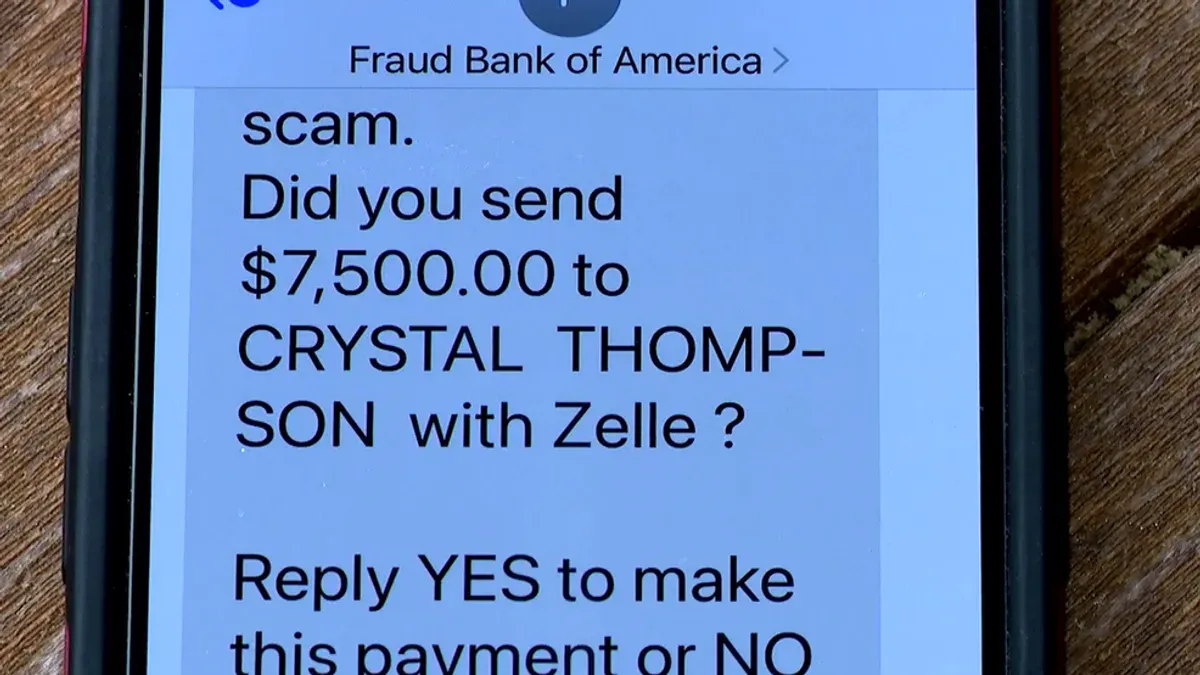
- Report the text: Forward the suspicious message to Bank of America’s dedicated fraud reporting number, typically 7726 (which spells SPAM). You can also report to the Federal Trade Commission or your local consumer protection agency.
- Secure your accounts: Change your Bank of America online password and enable two-factor authentication if not already active. Note that two-factor authentication methods vary; phone-based codes are common but using an authenticator app or security key offers stronger protection.
- Avoid interaction: Never reply to scam texts or click any links. This prevents confirming your phone number is active to scammers or exposing your credentials.
Promptly following these steps reduces the risk of further compromise. Securing your account immediately after a suspected scam message can prevent unauthorized transactions.
Why Some Scam Texts Are Harder to Detect and What That Means for You
Scammers continuously refine their techniques to bypass filters and deceive even cautious users. Examples include:
- Subtle URL manipulations: Using domain names that look nearly identical to official Bank of America URLs but contain slight misspellings or extra characters.
- Personalized messages: Including your name or partial account information obtained through data breaches to increase credibility.
- Limitations of technology: Spam blockers and filters cannot catch every scam text, especially those using new tactics or spoofed sender IDs.
This complexity means relying on a single verification method is insufficient. Multiple checks—such as verifying numbers, independently accessing your account, and contacting customer service—are necessary to maintain security.
When to Seek Professional Help and What This Article Does Not Cover
This article focuses on identifying and responding to scam texts but does not replace professional advice. Seek expert assistance if:
- You experience actual financial loss or suspect identity theft.
- You encounter scams that span multiple channels, such as phone calls, emails, and texts combined.
- You need personalized guidance from Bank of America fraud specialists or law enforcement.
Some cases require specialized investigation and support beyond basic verification and reporting steps.
Important Caveat
This article does not provide legal advice or cover identity theft recovery. For these issues, contact Bank of America fraud support or appropriate authorities directly.
Frequently Asked Questions
Can I trust a text message that claims to be from Bank of America if it includes my account information?
Not necessarily. Scammers can access partial account details through data breaches and use them to make messages appear genuine. Always verify through official channels rather than trusting message content alone.
What is the safest way to confirm if a Bank of America text alert is legitimate?
Use the Bank of America app or website independently to check for alerts. Alternatively, call customer service using a number from your bank card or official website—not numbers in the text.
Should I reply to or click any links in a suspicious Bank of America text message?
No. Replying or clicking links can expose you to phishing attacks or confirm your contact information to scammers. Always verify through secure, separate methods.
How do I report a Bank of America scam text I received?
Forward the message to 7726 (SPAM), which is the industry standard for reporting spam and scam texts. Also, consider reporting to Bank of America customer service and relevant consumer protection agencies.