How to Identify and Protect Yourself from Chase Scam Texts
Learn how to spot and safeguard yourself against Chase scam texts to avoid fraud and protect your sensitive information.

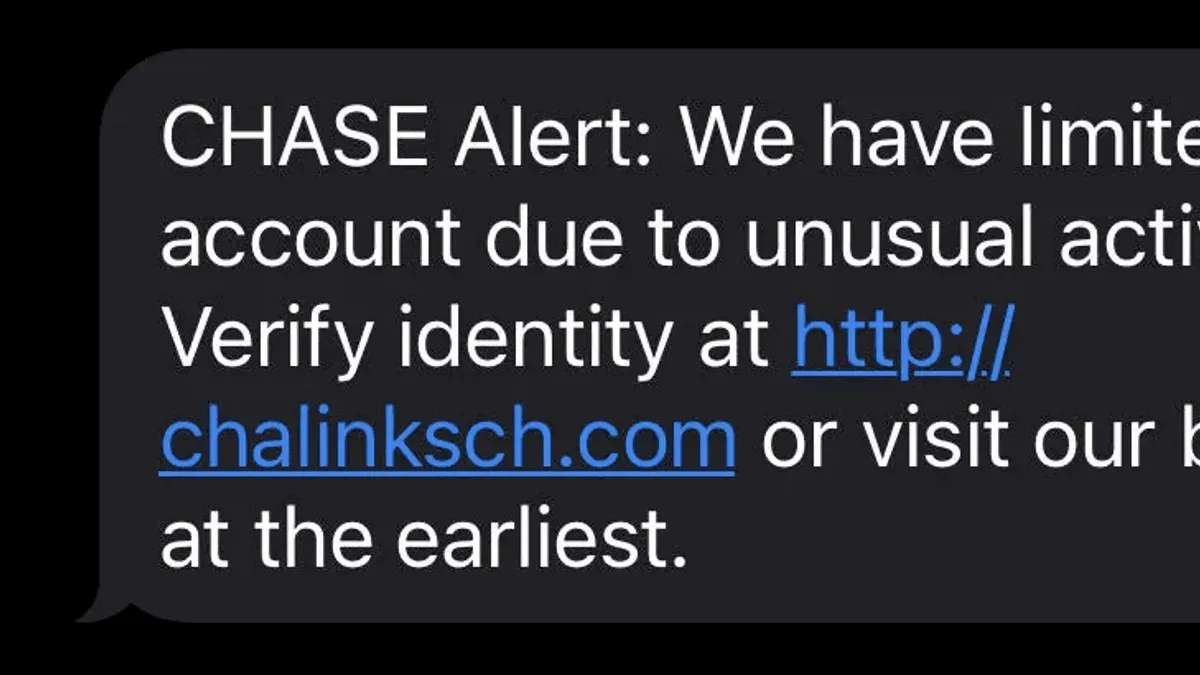
Receiving a Chase scam text can be unsettling. These messages often appear urgent and legitimate, aiming to trick recipients into revealing sensitive information or clicking harmful links. Understanding how these scams operate and verifying suspicious texts is essential for anyone receiving messages claiming to be from Chase.
Understanding Chase Scam Texts: How Scammers Target You
Chase scam texts use psychological tactics designed to provoke quick reactions. Common themes include urgent warnings about account security, threats of account suspension, or enticing fake rewards. Scammers target Chase because it is a trusted brand with millions of customers, increasing the likelihood their messages will be noticed.
To appear credible, these messages often use spoofed phone numbers that mimic official Chase contacts and include Chase logos or branding elements. Their goal is to create a sense of legitimacy and trust. They exploit emotions like fear—suggesting your account is compromised—and curiosity, such as offering unexpected rewards, to prompt hasty decisions without careful verification.
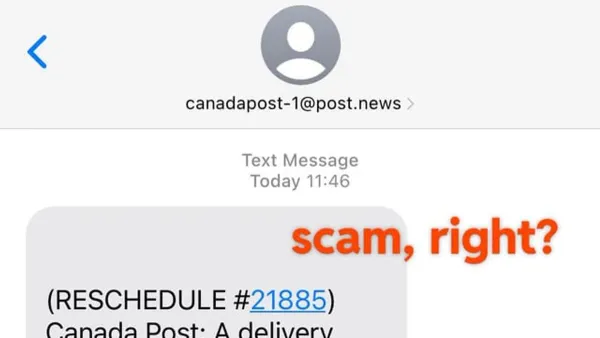
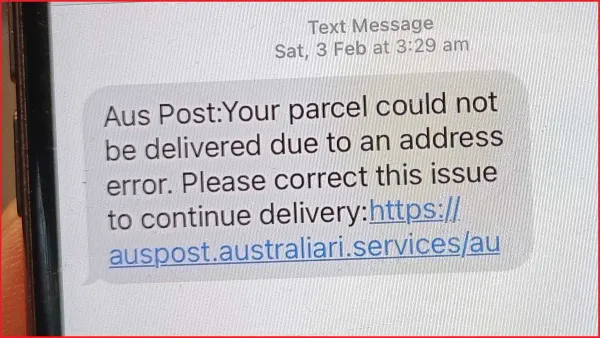
Examples of scam texts include messages like, “Your Chase account has been locked due to suspicious activity. Reply immediately to restore access,” or “Congratulations! You’ve won a Chase bonus. Click the link to claim.” These messages often contain links or phone numbers that do not connect to Chase but to scammers.
How to Verify if a Chase Text is Legitimate
Verifying a suspicious Chase text requires caution and a clear process. Never click links or call numbers provided directly in the message. Instead, use Chase’s official app or website to check your account alerts or messages. This is the safest way to confirm if Chase has contacted you.
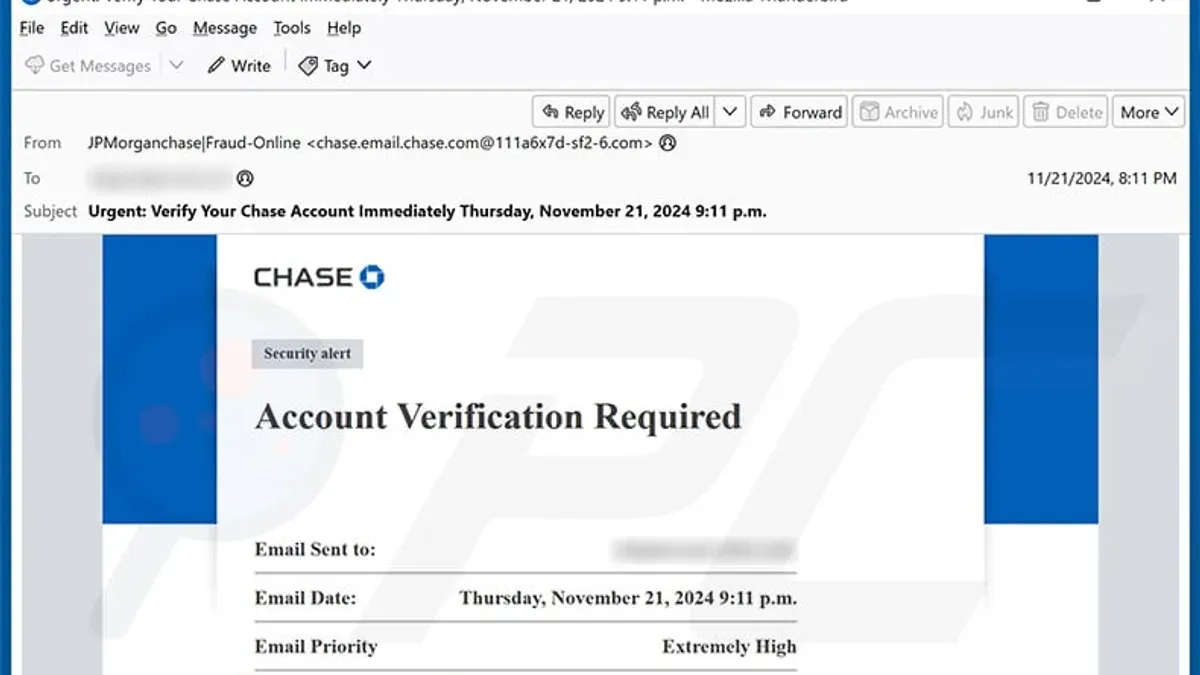
Carefully check the sender’s phone number. Scam texts often come from numbers that look unusual or inconsistent with Chase’s official communications. However, because scammers can spoof numbers to appear legitimate, do not rely solely on this detail.
If you remain uncertain, contact Chase customer service using phone numbers listed on official Chase channels or statements. Avoid using contact details from the suspicious text itself.
Verification Checklist
- Do not click links or call numbers in the text.
- Open the official Chase app or go to chase.com and log in securely.
- Look for alerts or messages regarding your account status.
- Compare sender information with known Chase contacts.
- If unsure, call Chase directly using verified contact details.
Worked Example
You receive a text stating, “Alert: Your Chase card was used in an unauthorized transaction. Call 123-456-7890 immediately.” Instead of calling, log into the Chase app and check for alerts. If no alerts appear, call Chase customer service at the official number on their website to report the suspicious text. Chase can then confirm if the message is a scam.
Steps to Take If You Receive a Chase Scam Text
If you get a scam text, do not respond or interact with it. Forward the message to Chase’s official fraud reporting number or email. Also, report the scam to relevant authorities such as the Federal Trade Commission (FTC) or your country’s equivalent consumer protection agency.
After receiving or interacting with a scam text, monitor your Chase accounts closely for unauthorized activity. Immediately change your passwords and enable two-factor authentication to strengthen security.
Avoid common pitfalls such as replying to scam texts, clicking unknown links, or sharing personal information. Staying vigilant after an incident helps prevent further compromise.
Reporting and Monitoring Example
- Forward the scam text to Chase’s dedicated reporting number.
- Notify local authorities or consumer protection agencies.
- Check your account daily for unusual transactions for at least two weeks.
- Update your login credentials and enable two-factor authentication.
- Do not respond to further messages from suspicious numbers.
Why Chase Scam Texts Keep Evolving and How to Stay Ahead
Scammers continuously adapt their tactics to bypass filters and exploit new vulnerabilities. Text content and delivery methods evolve, becoming more sophisticated and personalized. This makes ongoing education essential to recognize new scam patterns and avoid falling victim.
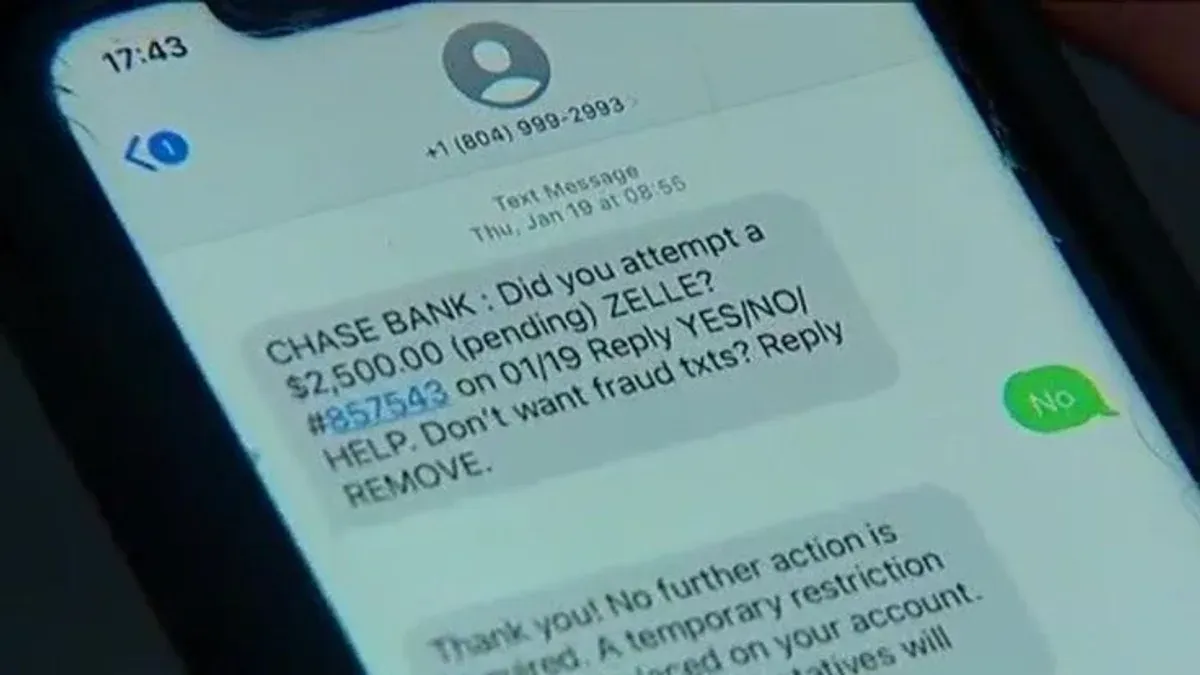
Technology tools like spam filters, security apps, and antivirus software help block many scam texts before they reach you. Regularly updating these tools ensures the best protection.
Chase actively combats scam texts through improved security measures and customer education. Customers support these efforts by promptly reporting scam messages and following recommended security practices.
Awareness of scam trends shows that while core tactics remain consistent—urgency, fear, fake legitimacy—the details and delivery improve. Remaining cautious and informed is the best defense.
Frequently Asked Questions
How can I tell if a text claiming to be from Chase is a scam?
Look for urgent language, unsolicited links or phone numbers, and check the sender’s number. Always verify alerts through the Chase app or website rather than responding directly.
What should I do if I accidentally clicked a link in a Chase scam text?
Immediately disconnect from the link, avoid entering any personal information, and run a security scan on your device. Change your Chase account password and notify Chase customer service.
Does Chase ever send texts asking for personal information?
No. Chase will never ask for sensitive personal information such as passwords or full social security numbers via text messages.
How do I report a Chase scam text I received?
Forward the suspicious text to Chase’s official fraud reporting number and report it to consumer protection agencies. Follow up by monitoring your account for any unusual activity.
Important Caveats
This article focuses solely on scam texts impersonating Chase. It does not cover scams through other channels like phone calls or emails. It also does not provide legal advice for fraud recovery. For such concerns, contact Chase directly or consult a legal professional.