Line Account Hacked: How to Identify, Report, and Secure It
Learn how to identify, report, and secure your Line account when hacked to protect your personal information and communications.

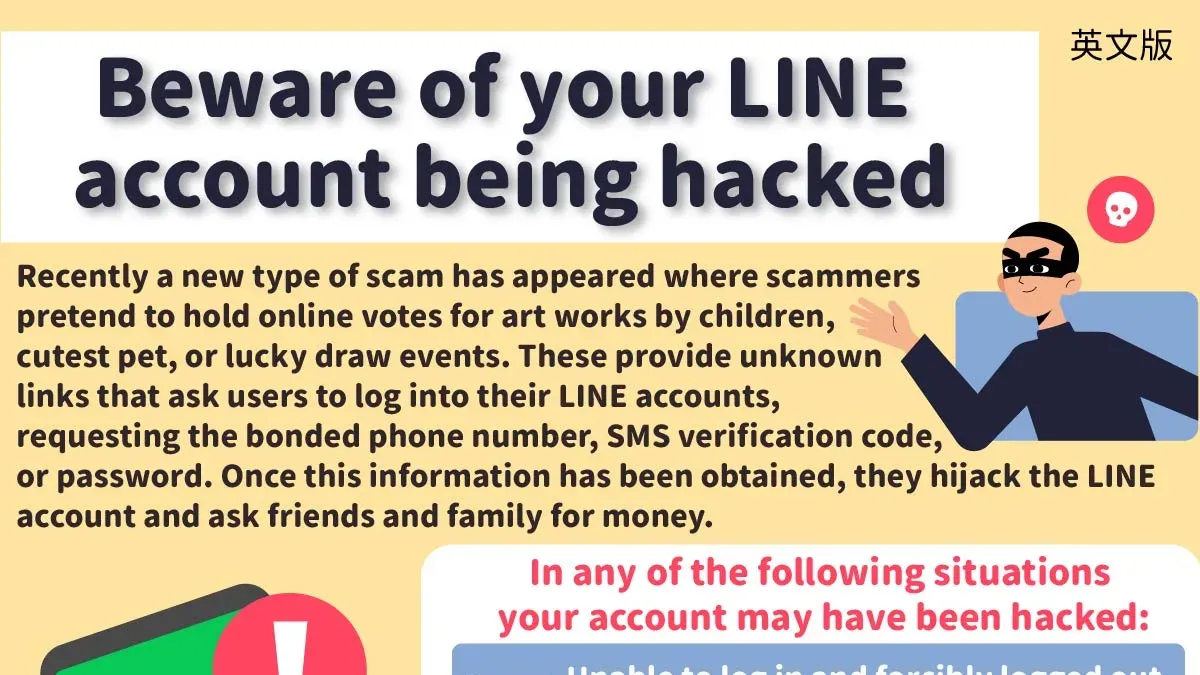
This article explains how to identify, report, and secure a Line account hacked scenario, linking it to broader security risks across platforms like LinkedIn and landline phones. A Line account hacked can lead to unauthorized access to messages, contacts, and personal information. Attackers exploit weak passwords, phishing attempts, or compromised devices to gain entry.
Understanding the vulnerabilities shared by different communication platforms helps users grasp the full risk and response required. This guide covers the reasons behind account breaches, how to report incidents on Line and LinkedIn, and steps to prevent future hacks. Securing accounts demands timely action and the use of security features such as two-factor authentication and regular password updates.
What is a hack line?
A "hack line" in the context of the Line app refers to unauthorized access to a user's Line account, allowing hackers to impersonate the user, steal sensitive information, or misuse the account for malicious purposes. This differs from the term "hack line" as it might relate to telecommunication lines or landline phones, which involve different technical vulnerabilities.
Line accounts can be compromised through several common methods. These include phishing attacks where users are tricked into revealing login credentials, SIM swapping that intercepts SMS verification codes, and exploitation of weak or reused passwords. Once access is gained, hackers may send spam, access private conversations, or steal linked data.
Unlike hacking a traditional landline phone, which might involve physical tapping or signal interception, hacking a Line account is a digital breach targeting the app's authentication and user data. For example, a user might receive a convincing fake email prompting them to reset their Line password on a fraudulent website, giving attackers access to their real account.
Reports indicate that Line account hacks have increased alongside the app’s growing user base, highlighting the importance of understanding these digital threats distinct from other communication lines.
Why do people hack LinkedIn accounts?
LinkedIn accounts attract hackers due to the platform’s wealth of professional and personal information. Access to such data enables identity theft, targeted phishing campaigns, and unauthorized business intelligence gathering. Hackers exploit LinkedIn profiles to harvest email addresses, job histories, and contact networks, which can then be used for broader social engineering attacks or sold on underground markets.
Similarly, Line accounts hold personal data and communication histories valuable for social engineering. However, LinkedIn’s focus on professional connections adds an additional layer of incentive: compromising an account can damage reputations, manipulate professional relationships, or facilitate corporate espionage. For example, a hacker accessing a high-profile executive’s LinkedIn could impersonate them to request sensitive information from colleagues or partners.
Common objectives across both platforms include financial gain through scams, spreading malware via direct messages or links, and disrupting user trust. A notable LinkedIn breach involved hackers sending phishing messages that appeared from trusted contacts, successfully deceiving many recipients and illustrating the risks of compromised professional networks.
Can Line account be hacked?
Line accounts can be compromised despite multiple layers of security. Attackers typically exploit weaknesses such as phishing, SIM swapping, malware infections, and weak or reused passwords. Phishing often involves deceptive messages prompting users to enter credentials on fake login pages, enabling hackers to capture access data. SIM swapping allows attackers to intercept verification codes sent via SMS by tricking mobile carriers into transferring the victim’s phone number to a new SIM, bypassing two-factor authentication (2FA).
Line employs several safeguards, including password complexity requirements, optional two-step verification through email or SMS, and device authorization alerts. However, these protections have limits. For example, 2FA via SMS is vulnerable to SIM swapping. Malware on a device can log keystrokes or intercept authentication tokens, while weak passwords remain susceptible to brute force or credential stuffing attacks.
Consider a case where a user received a suspicious SMS link claiming to be from Line support. Upon clicking, the user entered login details on a fraudulent site, enabling hackers to access the account and send spam messages to contacts. This scenario illustrates how social engineering, combined with technical exploitation, enables attackers to bypass Line’s defenses.
Why do I keep getting hacked?
Repeated hacking often stems from persistent security gaps in user behavior and device vulnerabilities. Commonly, users reuse passwords across multiple services, increasing the risk that a breach in one platform compromises others. Ignoring app and device updates leaves known security flaws unpatched, providing easy entry points for attackers. For example, neglecting to install Line app updates or operating system patches can allow malware to exploit these vulnerabilities.
Indicators of targeted attacks include frequent suspicious login attempts, unexpected password reset emails, or notifications of unfamiliar devices accessing the account. Such signs suggest attackers have identified and are repeatedly exploiting the user’s credentials or compromised devices. Attackers often use stolen data from previous breaches, phishing campaigns, or malware infections to maintain access.
Behavioral studies confirm many users fall victim multiple times due to insufficient security hygiene, such as weak two-factor authentication or ignoring alerts about unauthorized access. A concrete example is a user who reuses a password leaked in a past breach, ignores security prompts, and continues to log in from an infected device, allowing hackers to regain control repeatedly.
How to report a hacked LinkedIn account
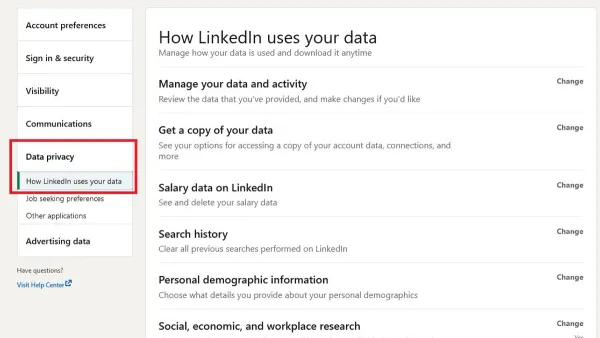
To report a hacked LinkedIn account, start by visiting LinkedIn's Help Center and navigating to the 'Account Access' section. Select 'Compromised Account' to find the official reporting form. Prepare essential information such as the affected email address, recent suspicious activities, and any evidence like unexpected messages or profile changes to include in the report.
Submit the form with as much detail as possible. LinkedIn typically responds within a few business days, initiating account recovery steps or locking the account to prevent further damage. During this process, LinkedIn may request verification of identity, such as a government-issued ID or photos matching the account profile.
For example, a user noticing unauthorized connection requests and messages can document these events, then report via the form. The user should monitor their email for LinkedIn's follow-up, which often includes instructions to reset the password and review connected devices.
Tip: Check the LinkedIn Help Center regularly for updates on your case and avoid interacting with suspicious messages while the account is compromised.
How to report a hacked account
When a Line account or any online account is compromised, the first step is to immediately secure it by resetting the password through the account settings. Enabling two-factor authentication (2FA) adds a critical extra layer of protection that significantly reduces the risk of further unauthorized access.
Next, contact the platform's customer support or security team. For Line, use the in-app Help Center or the official website's support page to submit a detailed report of the hack. Provide relevant information such as the time of suspicious activity, changes noticed, and any unauthorized transactions or messages. This proactive communication helps speed up account recovery and investigation.
If the hack involves financial theft, identity fraud, or persistent unauthorized access, reporting to local law enforcement or cybercrime authorities is advisable. This step ensures a formal record and may trigger further investigation beyond the platform’s scope.
Major platforms like Facebook, Google, and Twitter offer dedicated compromised account forms and often respond with step-by-step recovery instructions. For example, after reporting a hack, Facebook may require identity verification before restoring full access. Missing this verification step often delays recovery.
Tip: Keep screenshots and email confirmations of all communications with support to track the recovery process effectively.
Can your landline phone be hacked?
Traditional landline phones can be hacked, though the methods and risks differ significantly from those affecting internet-based accounts like Line. Landline hacking typically involves physical access to phone lines or exploiting vulnerabilities in telephone exchange systems to intercept calls or eavesdrop silently. For example, an attacker with access to wiring closets or junction boxes can tap into lines and listen to conversations without alerting the user.
Landline hacking consequences include unauthorized call monitoring, recording sensitive information, or redirecting calls. Unlike digital account hacks, these intrusions do not rely on passwords or software vulnerabilities but on exploiting the physical telephony infrastructure. Historical incidents have shown criminals wiretapping phones to gather intelligence or commit fraud.
Experts note that while landline hacking remains possible, it often requires more effort and proximity compared to hacking internet-based services. The Line app's hacking involves digital techniques such as phishing and malware, targeting user credentials and devices rather than physical hardware. Thus, landline phone security concerns are distinct and generally less relevant to online account security for apps like Line.
Why my account is hacked
Account hacking often results from a combination of weak security choices and targeted attacker tactics. Weak or reused passwords remain the primary vulnerability, as attackers try common or previously leaked passwords from unrelated breaches. If a password used on one site appears in a data breach, hackers attempt it on Line accounts, exploiting password reuse.
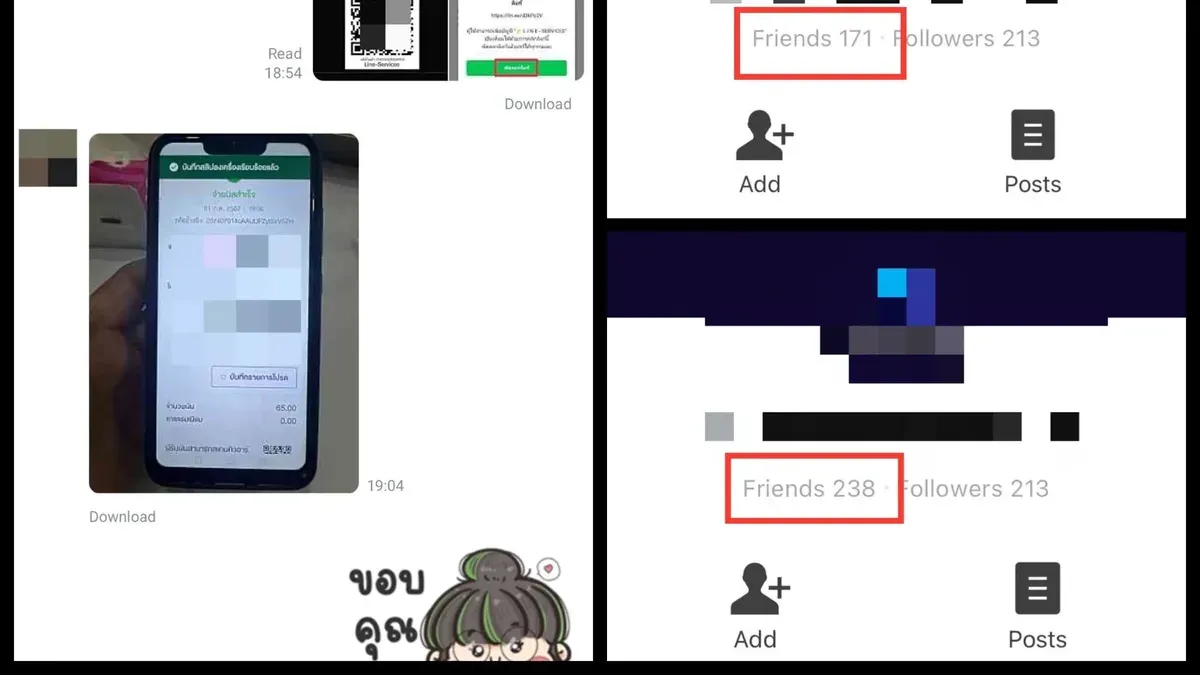
Phishing and social engineering attacks frequently trick users into revealing login credentials or verification codes. For example, a user might receive a message mimicking Line’s official support, requesting a one-time password to "verify" the account. Falling for this grants hackers direct access despite strong passwords.
Data breaches at third-party services also expose user credentials. When login information leaks from unrelated platforms, attackers combine it with phishing and password spraying to access Line accounts. Users unaware their credentials were compromised elsewhere become easy targets.
Consider a user who clicked a malicious link sent via chat claiming to offer a new sticker pack, then entered their Line ID and password on a fake site. This single action bypasses many security layers, illustrating how user behavior and attacker methods intersect to cause hacks.
How to secure a Line account after hacking
Start by contacting Line Support through the official help center to initiate account recovery. Provide any requested identification and proof of ownership promptly. Once access is regained, immediately change the account password by navigating to Settings > Account > Password. Choose a strong, unique password that combines letters, numbers, and symbols.
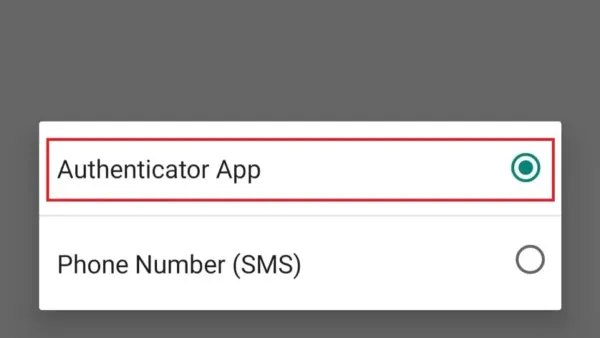
Enable two-factor authentication (2FA) under Settings > Account > Login Verification. This adds a verification step that significantly reduces the risk of unauthorized access. Next, review all connected devices and active sessions in Settings > Account > Devices and log out of any unfamiliar or unused devices.
Monitor the account for unusual activity, such as unexpected messages or profile changes. For example, a user who noticed a sudden flood of messages sent from their account discovered unknown devices listed in their device settings. After logging out those devices and activating 2FA, no further unauthorized activity occurred. The key difference in security settings before and after was the activation of login verification and removal of unfamiliar devices.
Tip: Regularly update the password and review active sessions every few weeks to maintain security.
Frequently asked questions
Why would someone hack a linkedin account?
Hackers target LinkedIn accounts to access professional networks, gather personal information for identity theft, or launch phishing attacks. Compromised accounts can also be used to spread malware or fraudulent job postings. The value lies in the trusted connections and data available on LinkedIn.
Can line app be hacked?
Yes, the Line app can be hacked if users fall victim to phishing, use weak passwords, or install malicious third-party apps. Attackers may exploit vulnerabilities to access messages, contacts, or linked accounts. Proper security measures reduce this risk significantly.
What is a hack line?
A hack line refers to a compromised communication channel, such as a phone line or messaging account, that attackers gain unauthorized access to. It may involve interception of calls, messages, or account control. The term emphasizes the breach of a communication medium rather than a specific platform.
Can Line app be hacked?
The Line app is vulnerable to hacking primarily through user-targeted attacks like phishing or credential theft. Exploits of the app itself are rare but possible if updates are not applied. Maintaining strong passwords and avoiding suspicious links are key defenses.
Someone hacked my LinkedIn account, what should I do?
Immediately change the LinkedIn account password and enable two-factor authentication in Settings > Account. Review recent account activity for unauthorized actions and notify LinkedIn via their Help Center. Inform contacts about the breach to prevent further spread of malicious content.
What This Advice Does Not Cover
This article does not cover advanced forensic investigation for highly targeted attacks or corporate account breaches, which require professional cybersecurity assistance. Users facing persistent, sophisticated hacking attempts or those responsible for organizational security should consult cybersecurity experts or incident response teams. This guide focuses on general user-level vulnerabilities and practical steps for typical Line account compromises.
For most users, the single most effective next step after suspecting a Line account hack is to immediately change the account password and enable two-step verification from the Line app settings under Settings > Account > Two-step verification. This action blocks unauthorized access quickly and reduces the risk of repeated breaches. Following this, review connected devices in Settings > Account > Devices and remove any unfamiliar ones to ensure full account control.
See also: Kick Account Hacked: What Happened and How to Recover It · How to Recover and Protect a Hacked iCloud Account · How to Turn On Two-Factor Authentication on WeChat: Step-by-Step Guide · How to Handle a Lemon8 Account Hacked Situation and Related Questions