How to Recognize and Report USPS Scam Texts Safely
This article explains how to identify and report USPS scam texts safely to protect yourself from fraud.

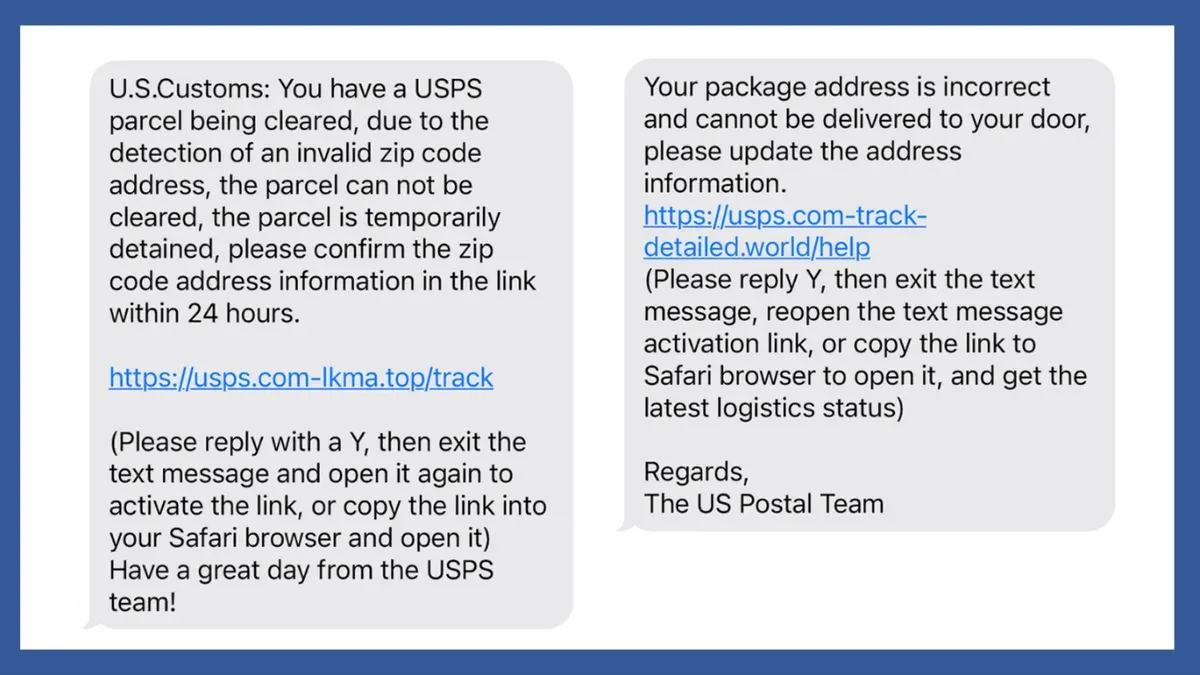
This article explains how to recognize and report a USPS scam text safely by highlighting evolving scam tactics and contrasting them with authentic USPS messaging practices.
USPS scam text messages often mimic legitimate notifications about package deliveries, shipment delays, or fees to trick recipients into clicking malicious links or providing personal information. Such texts may use urgent language or suspicious sender numbers, but they differ in key visual and behavioral details from official USPS communications. Understanding these differences helps individuals avoid falling victim to fraud while ensuring genuine USPS texts are not mistakenly disregarded.
Clear guidance on identifying common scam characteristics and step-by-step instructions for reporting suspicious messages empower readers to protect themselves and assist postal authorities in combating these scams effectively.
What USPS scam texts are and why they matter
USPS scam texts are fraudulent messages that impersonate the United States Postal Service to deceive recipients. These texts often claim there is an issue with a delivery or a package requiring immediate attention, aiming to trick individuals into revealing personal information, clicking malicious links, or making unauthorized payments.
Scammers use these texts to steal sensitive data such as Social Security numbers, credit card details, or login credentials. Some scams attempt to install malware on mobile devices, while others seek direct financial gain through fake fees or phishing schemes.
The frequency of USPS-related scam texts has risen noticeably, with many consumers reporting suspicious messages daily. This surge undermines trust in legitimate USPS communications, which can lead to missed genuine notifications or unwarranted fear.
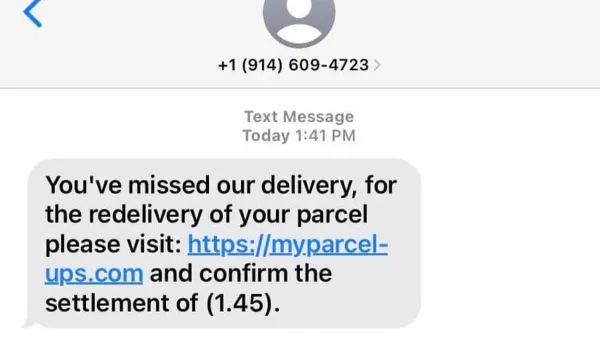
For example, a recipient might receive a text stating their package delivery was unsuccessful and to click a link to reschedule. The link, however, directs to a counterfeit website designed to harvest login information. Victims of such scams have reported unauthorized charges and identity theft following these interactions.
Tip: Be cautious of unsolicited texts requesting personal information or immediate action regarding postal deliveries.
How USPS communicates with customers: what to expect
The United States Postal Service (USPS) communicates with customers through several official channels, including email, phone calls, and text messages. USPS text notifications typically occur only if customers have opted in to receive updates, often during the shipping or package tracking process.
Common USPS text messages include shipment tracking updates, delivery status notifications, and alerts about attempted deliveries. These texts usually originate from short codes or dedicated USPS phone numbers clearly associated with the service, often displaying the USPS name within the message.
USPS texts generally contain concise information such as a tracking number, expected delivery date, or a prompt to visit the official USPS website or app for details. For example, a legitimate message might read: "Your package with tracking number 9400 1000 0000 0000 0000 00 is scheduled for delivery on Oct 6. Track your shipment at USPS.com."
Security practices restrict USPS from requesting sensitive personal information via text, such as Social Security numbers, passwords, or payment details. Official messages never include clickable links that ask for personal data; instead, they direct recipients to use verified USPS platforms.
Tip: Verify sender details and avoid clicking links in unsolicited texts by manually navigating to USPS.com or using the official USPS app to check package status.
What USPS scam texts look like
USPS scam texts often use urgent language to pressure recipients into immediate action, such as "Your package is being held, confirm payment now" or "Missed delivery: verify your address to reschedule." These messages typically request personal information, payment details, or prompt clicking on suspicious links.
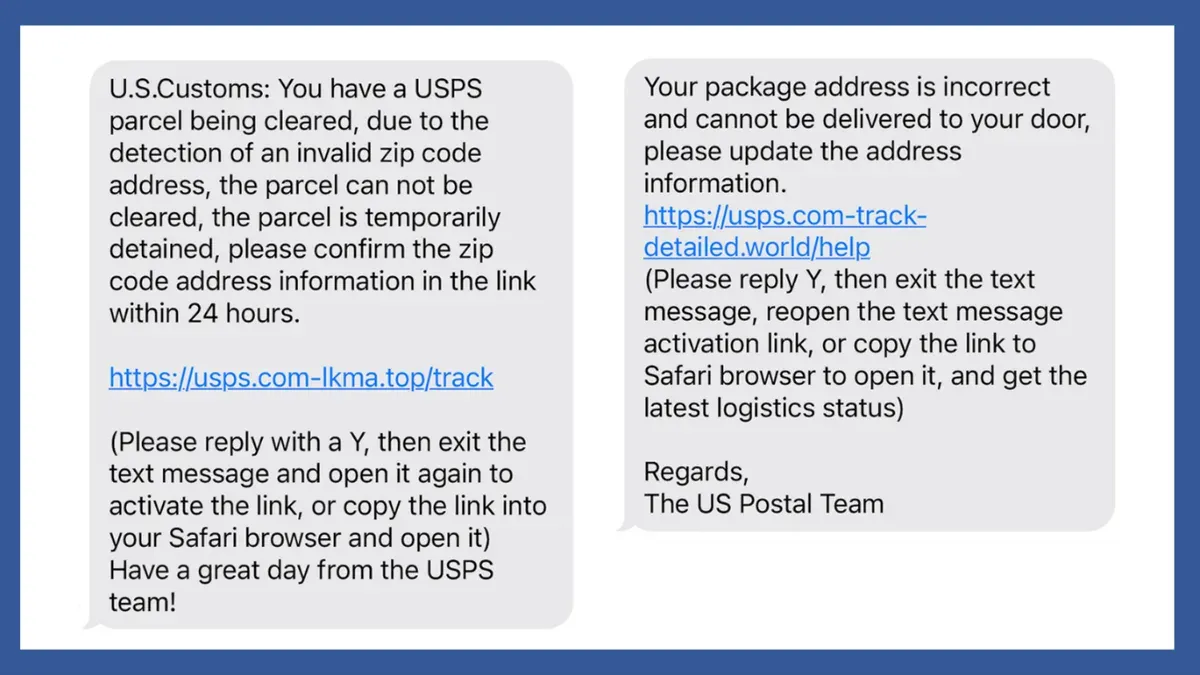
Scam texts frequently include fake tracking numbers that do not match USPS formats or reference incorrect delivery addresses. They may also contain phone numbers or website URLs that appear similar to legitimate USPS contacts but lead to fraudulent sites. Attachments or links in these messages can install malware or phishing pages.
While scammers mimic USPS branding by using the agency’s name and logo, they often fail in details like poor grammar, inconsistent formatting, or unusual sender numbers. For example, a legitimate USPS text might say: "USPS: Your package #9400110200881234567890 will arrive tomorrow. Track at usps.com." In contrast, a scam text might read: "USPS ALERT! Package #123456789 failed delivery. Pay $3.99 fee now at secure-usps-delivery.com." The official message uses the correct tracking format, a clear website, and no payment request.
Tip: Always verify tracking numbers on the official USPS website and avoid clicking links or calling numbers provided in unsolicited texts.
Are USPS text messages a scam? Understanding the truth
USPS does send text messages, but only under specific conditions. Legitimate USPS texts are sent exclusively to customers who have opted in for text updates, providing shipment status or delivery notifications without soliciting personal information. The USPS official policy states that texts will never ask for sensitive data like Social Security numbers, full credit card details, or passwords.
To verify a text's authenticity, examine the sender ID and message content. Genuine USPS texts typically come from short codes such as "USPS" or numeric codes officially registered to the Postal Service. For example, a legitimate message might read: "USPS: Your package ending in 1234 is out for delivery today." In contrast, scam texts often use irregular sender IDs like random phone numbers or alphanumeric strings and include links with unfamiliar domains.
Some texts claiming to be from USPS are scams because criminals exploit the trusted USPS brand to trick recipients into clicking malicious links or providing financial information. These scammers may mimic official language but fail to replicate USPS communication standards, such as proper branding and secure URLs.
Tip: When in doubt, cross-check any suspicious text by visiting the official USPS website or contacting USPS customer service directly instead of interacting with the message.
Will USPS ever text me? What customers should know
USPS may send text messages only if customers have proactively opted in for such notifications. Common scenarios include receiving updates on package delivery status, such as estimated arrival times or delivery exceptions. For example, after opting in through USPS Tracking online or the USPS mobile app, a customer might receive a text stating, “Your package is out for delivery and will arrive today.”
To sign up for text alerts, customers can visit the USPS Tracking page, enter their tracking number, and select the option to receive updates via text. Alternatively, within the USPS mobile app, notification preferences can be managed under account settings. Opting out is equally straightforward, typically through a reply command like “STOP” or by adjusting notification settings online.
Unsolicited or unexpected USPS texts, especially those containing links or requests for personal information, are often scams. Legitimate USPS texts do not ask for sensitive data or direct recipients to external websites. If a message arrives without prior opt-in or references unknown shipments, it should be treated with caution.
Tip: When in doubt, verify package status directly on the official USPS website by entering the tracking number instead of clicking links in text messages.
How to report a USPS scam text
When encountering a suspicious USPS-related text message, taking prompt action helps protect others from falling victim. The primary step is to forward the scam text to the official USPS spam reporting number, 7726 (which spells SPAM). This allows USPS to analyze the message and take measures to block the source.
After forwarding, it is recommended to report the scam text to the Federal Trade Commission (FTC) via their website at reportfraud.ftc.gov. The FTC collects complaints to identify patterns and coordinate enforcement against scammers. Additional reporting to the Internet Crime Complaint Center (IC3) at ic3.gov is advised if the scam involves internet fraud.
Best practices when receiving a scam text include:
- Do not reply, click links, or call numbers provided in the suspicious message.
- Do not share personal or financial information under any circumstances.
- Keep a copy or screenshot of the scam text for reference.
For example, a recipient who forwarded a fake USPS delivery alert to 7726 enabled USPS to trace and deactivate the scammer’s number quickly, preventing further fraudulent texts from that source.
By reporting scam texts through these official channels, consumers assist USPS and law enforcement in disrupting scams and safeguarding the public. More information on reporting USPS fraud is available at the USPS website’s fraud prevention page.
Common mistakes to avoid with USPS scam texts
Responding to suspicious texts or sharing personal information can lead to identity theft or financial loss. For example, a consumer once replied to a text claiming to be from USPS and provided their Social Security number, which scammers then used to open fraudulent credit accounts.
Clicking on links or downloading attachments from unknown sources is another frequent error. A documented case involved a recipient who clicked on a link in a fake tracking alert and unknowingly installed malware that compromised their device and personal data.
Ignoring signs of spoofed sender IDs or fake tracking numbers increases vulnerability. Scammers often mimic official numbers or use realistic-looking package IDs, making it crucial to verify any unexpected messages through official USPS channels before taking any action.
Failing to report scam texts allows these threats to spread unchecked. When victims do not forward scam texts to 7726 or notify the FTC, scammers continue refining their tactics and targeting more individuals. Reporting contributes to law enforcement efforts and public awareness.
Tip: Treat all unexpected USPS texts with caution; verify through official USPS websites or customer service before responding or clicking links.
How USPS scam texts compare to other postal scams
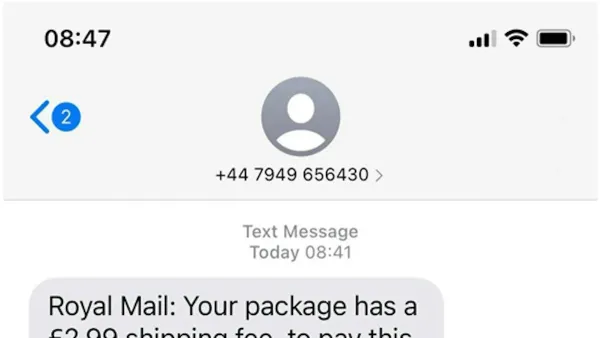
USPS scam texts share many characteristics with scams targeting other major postal services like UPS, FedEx, and Royal Mail, including the use of fake tracking numbers, urgent language, and links to fraudulent websites. However, USPS scams tend to be more prevalent and often exhibit greater sophistication due to the sheer volume of USPS deliveries and its broad customer base.
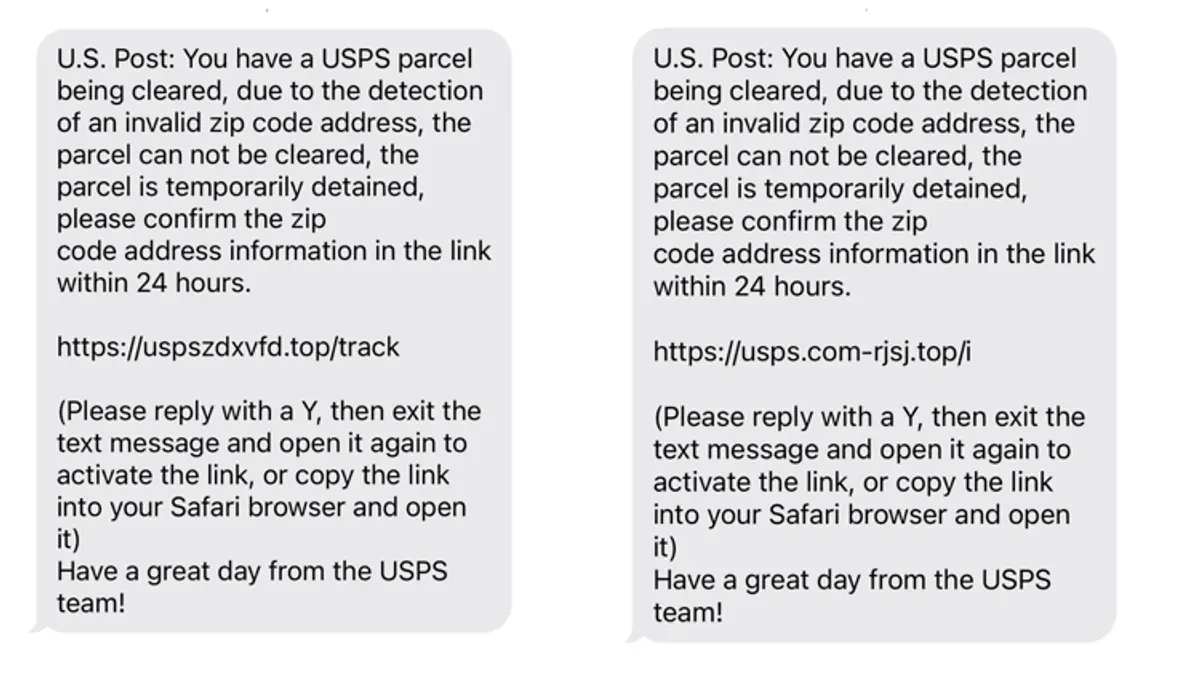
For example, a typical FedEx scam text might claim a package is held at customs and prompt the recipient to pay a fee via a suspicious link. USPS scams, by contrast, often mimic official USPS branding with subtle design details and use spoofed sender IDs that closely resemble legitimate USPS numbers, making them harder to detect.
Data from consumer protection reports suggest that USPS-related scams represent a significant portion of postal fraud complaints, partly because scammers exploit USPS’s status as the primary postal carrier in the US. Other services like Royal Mail also face scams, but these tend to be less frequent and sometimes less complex in their approach.
Lessons from broader postal scam prevention efforts emphasize the importance of customer education on verifying sender information and avoiding unsolicited links. For instance, some postal services have implemented official apps and SMS verification codes to reduce successful phishing attempts.
Tip: Cross-check any suspicious delivery updates with the official carrier website or customer service before taking action.
Further reading
- How to Spot and Handle UPS Scam Texts Safely
- Understanding Evri Scam Texts and How to Protect Yourself
Frequently asked questions
Does the usps send texts?
Yes, USPS sends text notifications primarily for package tracking and delivery updates when customers have opted in. These texts come from official shortcodes or numbers and include specific tracking details and links to the official USPS website. Customers can sign up for these alerts through the USPS Tracking tool on the official USPS website.
Is there a usps scam text?
Yes, USPS scam texts are fraudulent messages designed to trick recipients into providing personal information or clicking on malicious links. These texts often mimic USPS notifications but include spelling errors, unusual sender numbers, or suspicious links. Such scams aim to steal data or install malware.
What do usps scam texts look like?
USPS scam texts frequently claim undelivered packages or require immediate action to avoid fees or penalties. They often contain generic greetings, urgent language, and links directing to unofficial websites. The sender’s number may be a random sequence rather than a recognized USPS shortcode.
Will usps contact you by text?
USPS may contact customers by text if they have opted into notifications for package updates or delivery changes. However, USPS will not ask for sensitive personal information or payments via text messages. Legitimate texts will direct users to official USPS channels rather than third-party sites.
Is a text from usps a scam?
Not all texts claiming to be from USPS are scams, but caution is necessary. Verifying the sender’s number, checking for spelling errors, and avoiding clicking on unsolicited links can help determine legitimacy. When in doubt, use the official USPS website or customer service to confirm any message’s authenticity.
Limits of this advice and when to seek further help
This article does not cover scams impersonating other shipping carriers or scams received via email or phone calls claiming to be USPS. It focuses solely on text message scams related to USPS. Individuals experiencing unusual or complex cases involving suspicious USPS communications should contact USPS customer service directly through official channels, such as the USPS website or by calling 1-800-ASK-USPS (1-800-275-8777).
The most useful next step for anyone who suspects a USPS scam text is to forward the suspicious message to the official USPS spam reporting address: 7726 (SPAM). This action helps USPS track and investigate fraudulent activity and protects others from falling victim to scams.