How to Spot and Avoid FedEx Scam Texts Safely
This guide explains how to safely identify FedEx scam texts and avoid falling victim to fraud by verifying message authenticity.

This article explains how to identify and safely respond to a FedEx scam text by understanding the psychological tactics scammers use and applying a clear decision-making framework.
FedEx scam text messages often exploit the natural urgency felt by package recipients, prompting quick reactions before thorough verification. These texts may claim there is an issue with a delivery or request personal information, leveraging fear and curiosity to bypass careful scrutiny.
Recognizing why these messages are effective helps recipients pause and assess authenticity rather than reacting impulsively. This guide provides steps to verify if a FedEx text is genuine, reducing the risk of falling victim to fraud.
What FedEx scam texts are and why they matter
FedEx scam texts are fraudulent messages designed to deceive recipients into revealing personal information, downloading malware, or making unauthorized payments. These texts often impersonate FedEx, claiming there is an issue with a package delivery that requires urgent attention. The ultimate goal is usually phishing, financial theft, or installing malicious software on the victim's device.
Scammers focus on FedEx users because millions of packages are shipped daily, creating frequent contact points and a high level of trust in the FedEx brand. Recipients often expect delivery updates, making it easier for scammers to exploit this trust through seemingly legitimate text alerts.
The consequences of falling for these scams can be severe. Victims may lose money through fraudulent charges or have sensitive data, such as banking details or login credentials, stolen. Authorities regularly receive reports of such incidents, highlighting the ongoing risk. For example, a recipient might receive a text claiming a package is held due to unpaid customs fees and be prompted to enter credit card information on a fake website, resulting in financial loss.
Tip: Treat unexpected FedEx texts that request personal or payment information with skepticism and verify their authenticity through official channels.
How FedEx scam texts typically work
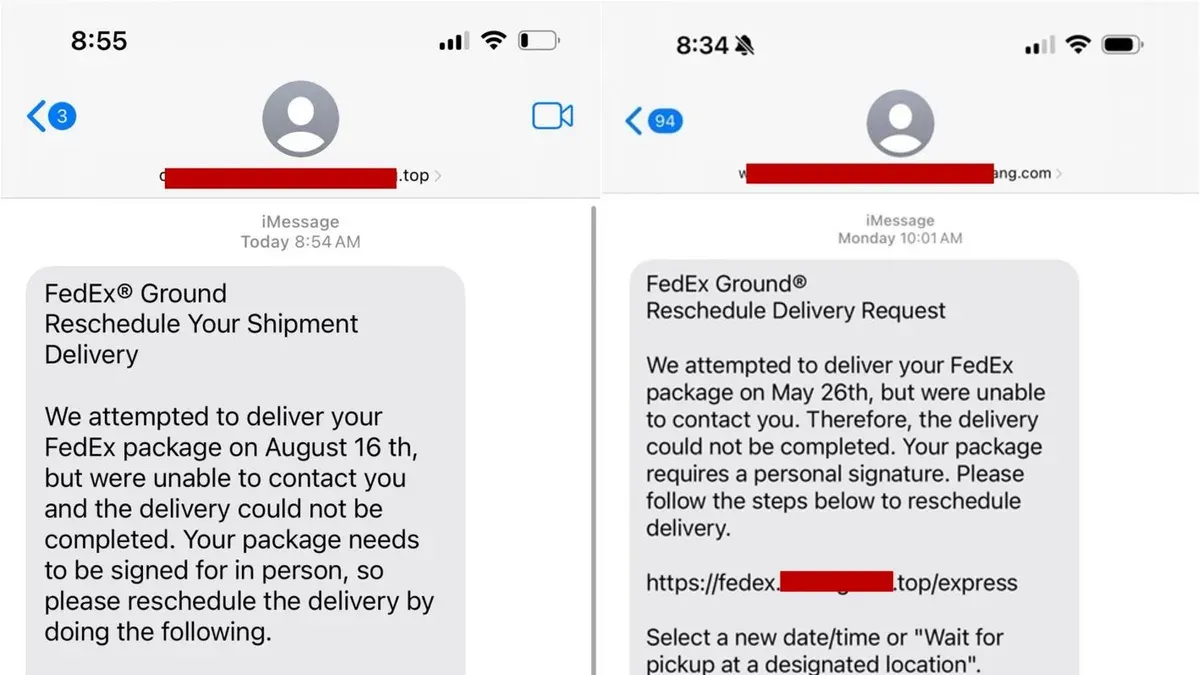
FedEx scam texts rely on mimicking the appearance and tone of legitimate FedEx notifications to trick recipients into clicking malicious links or providing sensitive information. They often use urgent language such as "Your package delivery failed" or "Action required: Update your shipping details" to provoke immediate responses without careful consideration.
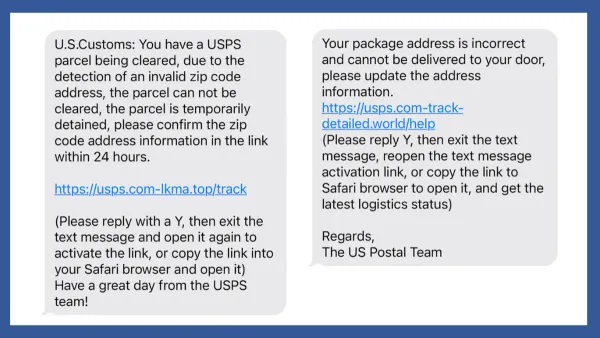
Common message templates include references to missed deliveries, unexpected fees, or package holds requiring confirmation. These texts frequently contain fake tracking links that redirect to fraudulent websites designed to capture personal data or install malware. Scammers often spoof the FedEx sender ID or use familiar shortcodes to make the message appear as if it was sent directly from FedEx.
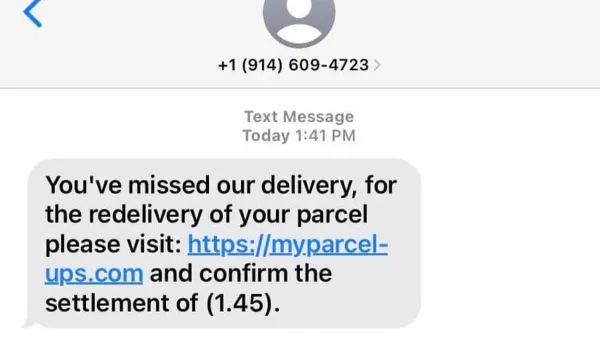
For example, a typical scam text might read: "FedEx Alert: Your package could not be delivered. Confirm your address here [fake link]." The link may look similar to a FedEx URL but leads elsewhere. By closely imitating FedEx's official SMS format—such as including a tracking number and realistic-sounding instructions—scammers increase the chance recipients will trust and act on the message.
In contrast, genuine FedEx text alerts usually come from verifiable sender numbers and direct users to the official FedEx website or app. They avoid urgent demands for personal information via links and often include additional tracking information accessible through official channels.
Are FedEx text alerts legitimate and does FedEx send texts?
FedEx offers an official text notification service to keep customers informed about their shipments. Legitimate FedEx text alerts typically include a clear FedEx identifier, a tracking number, and concise delivery status updates without urgent demands or links to click. For example, a real FedEx message might read: "FedEx: Your package 1234 5678 9012 is scheduled for delivery tomorrow. Track at fedex.com."
To receive official FedEx text alerts, users must opt in during the shipping process or register their phone number through the FedEx Delivery Manager on FedEx's website. This service allows customers to customize alerts for delivery attempts, delays, and other shipment events.
FedEx text notifications are designed with security measures that avoid requesting personal information or prompting immediate action via links. Instead, they direct recipients to visit the official FedEx website or app for details. This reduces the risk of phishing attempts.
Tip: When in doubt, manually enter fedex.com into a browser rather than clicking links in texts.
How to know if a text from FedEx is real
Verifying a FedEx text message involves examining the sender information, message content, and associated links carefully. Start by checking the sender's phone number or ID; legitimate FedEx alerts usually come from short codes or numbers that match official FedEx communications. Suspicious numbers often include random digits or unfamiliar area codes.
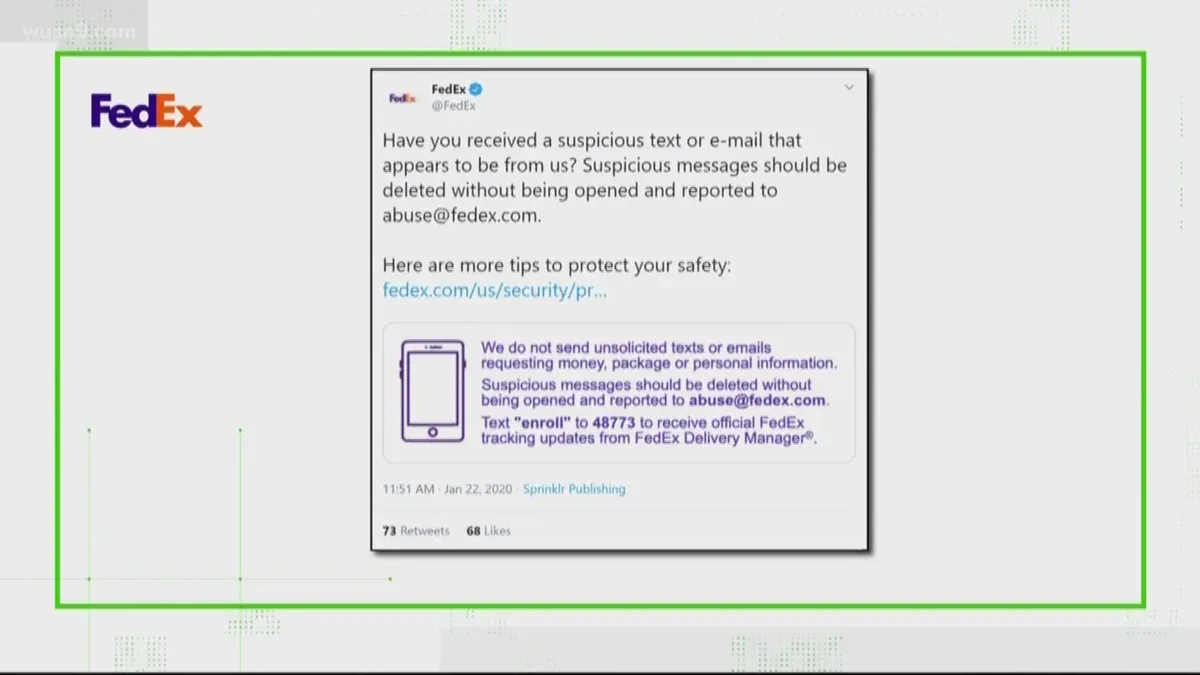
Next, inspect the message content for inconsistencies such as spelling errors, generic greetings, or urgent demands to click links immediately. FedEx texts rarely use pressure tactics or ask for sensitive information directly.
A practical step is to verify any provided tracking number directly on the official FedEx website or app. Enter the tracking number manually at fedex.com/track or in the FedEx mobile app rather than clicking any link in the text. For example, if a text contains a link like "fedex-delivery-info.com/track?num=12345", this domain is not an official FedEx domain and should be avoided. Official FedEx links always use the "fedex.com" domain.
When unsure, use contact information from FedEx’s official website to confirm delivery status. Calling the customer service number listed at fedex.com/customer-support or using the chat feature provides a reliable way to verify authenticity without risk.
Step-by-step verification example: Receive a text claiming a package is awaiting delivery with tracking number 1234567890 and a link. First, note the sender number; if it looks suspicious, do not trust it. Next, manually enter 1234567890 on fedex.com/track. If the tracking number is valid and matches the shipment, the package is real, but do not click the link in the text. If the tracking number is invalid or absent on the official site, treat the text as a scam.
Common FedEx scam text variations and examples
FedEx scam texts come in various forms, often tailored to exploit common delivery scenarios. One frequent type involves fake package notifications, such as a message stating, “Your FedEx package #123456789 is held due to unpaid fees. Pay now: http://fake-link.com.” This preys on recipients’ urgency to receive shipments, using payment demands to steal financial information.
Tracking scam texts typically mimic legitimate updates but include malicious links or prompt recipients to verify details through fraudulent websites. An example is: “FedEx Alert: Your package is delayed. Track here: http://suspicious-site.com.” The language often features minor typos or odd phrasing, such as “delayed” spelled as “delyaed,” aiming to bypass filters but still appear plausible.
Delivery scam texts may claim failed delivery attempts and instruct recipients to reschedule by clicking a link or providing personal details. For instance, “FedEx missed delivery. Confirm your address: http://phishingsite.com.” These messages exploit recipients’ concern over missing important packages.
Spam texts pretending to be from FedEx can also be broad, unsolicited messages offering fake prizes or refunds, which are unrelated to actual shipments but designed to harvest data.
It is important to distinguish FedEx shipment text scams from FedEx freight email scams. Freight scams often target business clients with fake invoices or shipping issues sent via email, while text scams focus on individual package recipients and exploit the immediacy of mobile messages. Phone call scams may overlap by posing as FedEx representatives requesting payment or verification, reinforcing the credibility of text scams.
Example: A recipient might receive a text saying, “FedEx: Your package #987654321 is ready for pickup. Confirm details here: http://fakeurl.com.” The link leads to a counterfeit site requesting credit card information. The scammer’s language mimics FedEx branding but often includes subtle errors or unusual URL domains.
Practical steps to protect yourself from FedEx text scams
Setting up official FedEx accounts and alerts through the company’s website or app ensures delivery notifications come from verified sources. Users should enable two-factor authentication (2FA) on their FedEx account to add an extra layer of security against unauthorized access. Regularly updating account passwords and opting in only to necessary alerts reduces exposure to phishing attempts.
Installing reputable security software on mobile devices helps detect and block phishing links commonly embedded in scam texts. Many security apps offer real-time scanning of incoming messages and warnings about suspicious URLs, which can prevent accidental clicks.
Reporting suspicious FedEx texts to the company using the official reporting email ([email protected]) or forwarding the message to 7726 (SPAM) aids FedEx in tracking scam trends and warning other users. Authorities such as the Federal Trade Commission (FTC) also collect scam reports, contributing to broader enforcement efforts.
Understanding social engineering tactics used in these scams, such as urgency or fear appeals, equips recipients to pause and evaluate messages rationally. For example, a recipient receiving an unsolicited text claiming a package delivery failed with a link should verify the tracking number directly on the FedEx website before clicking anything. This cautious approach prevents reacting to manipulative pressure.
Tip: When in doubt, open a new browser window and enter FedEx’s official URL manually instead of clicking links in texts.
Mistakes to avoid when dealing with FedEx scam texts
One common error is responding to unknown FedEx-related texts or clicking on links impulsively. For instance, a package recipient received a text claiming a failed delivery and clicked the included link without verifying the sender. This led to malware installation and unauthorized access to personal data. Avoiding immediate reaction to unexpected messages is key.
Sharing personal or financial information via text is another critical mistake. Scammers often request details such as credit card numbers or Social Security numbers under the guise of confirming delivery. A documented case involved a user who provided payment information to resolve a supposed customs fee, resulting in financial loss.
Ignoring signs of spoofed phone numbers or suspicious sender details also increases vulnerability. Scam texts frequently use numbers that mimic FedEx but may have subtle irregularities. In one example, a recipient overlooked an unusual area code and a sender ID that was numeric rather than the official FedEx name, leading to falling victim to the scam.
Tip: Always pause to cross-check sender information and never share sensitive data via text, especially from unverified numbers.
What to do if you’ve fallen for a FedEx scam text
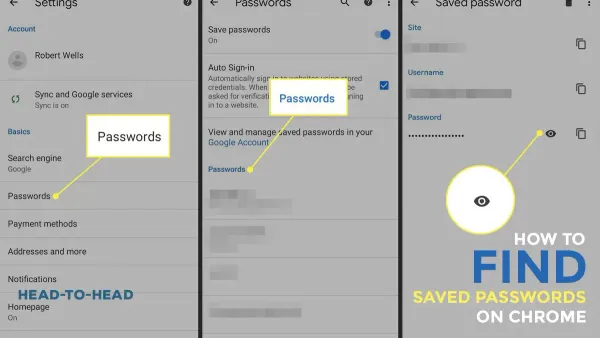
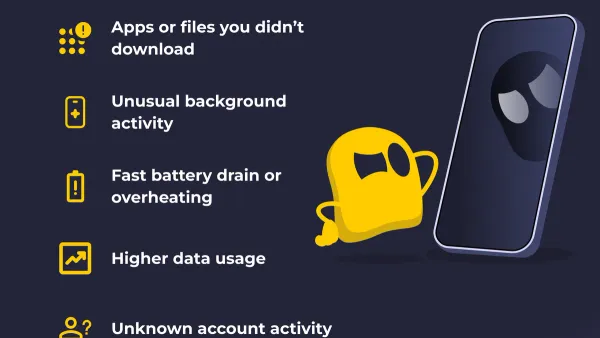
Realizing a scam has occurred requires immediate and careful action. Start by securing any accounts that may have been exposed, such as email, bank, and FedEx accounts. Change passwords using strong, unique phrases and enable two-factor authentication if available. On devices, run a full antivirus and malware scan to detect and remove any malicious software that might have been installed.
Contact FedEx directly through their official customer service channels at 1-800-463-3339 or their website to report the scam and confirm if any legitimate shipments or account activity are affected. Additionally, report the incident to local law enforcement and the Federal Trade Commission (FTC) via reportfraud.ftc.gov. These reports help track scam trends and may assist in investigations.
Monitor financial statements and credit reports closely for at least several months after a scam event. Many credit bureaus allow placing fraud alerts or credit freezes to prevent unauthorized new accounts. For example, if a scam led to revealing bank details, contact the bank immediately to freeze or close accounts and request new cards.
Example: If a recipient clicked a malicious link and entered login credentials, they should change passwords on all accounts using the same password immediately, scan their phone or computer for malware, alert FedEx and financial institutions, and file a report with the FTC within 48 hours to reduce risks of identity theft and fraud.
Further reading
- Types of Cyber Attacks: A Comprehensive Explainer Guide
- How to Check If an Email Sender Is Legit: Step-by-Step Guide
- How to Check If an Online Store Is Legit: A Step-by-Step Guide
- Understanding Advance Fee Scams: How They Work and How to Avoid Them
Frequently asked questions
Are there any scams involving fedex?
Yes, scams involving FedEx often use text messages or emails pretending to be from the company. These scams typically try to trick recipients into clicking links to provide personal information or payment details under the guise of resolving delivery issues or paying fees.
Is there a fedex scam?
FedEx scams commonly appear as fraudulent texts or calls claiming there is a problem with a package delivery. Scammers exploit the trust in the FedEx brand to prompt quick, unverified actions from recipients, which can lead to identity theft or financial loss.
Is there a fedex delivery scam?
Yes, FedEx delivery scams often claim a package cannot be delivered due to unpaid fees or incorrect address details. These messages urge recipients to follow links or call numbers that lead to fake websites or scammers requesting sensitive information.
Is fedex text legit?
FedEx does send legitimate text alerts for package tracking and delivery updates, but these messages will come from verified short codes or official FedEx sender IDs. Users should verify the sender’s number and avoid clicking unexpected links without confirming through official FedEx channels.
How do i know if a text from fedex is real?
Check for signs such as unexpected requests for personal or payment information, poor grammar, or suspicious links. Confirm package status directly on the official FedEx website using the tracking number rather than interacting with the text. Also, legitimate FedEx texts typically reference accurate shipment details and will not pressure for immediate action.
Limits of this advice and when to seek specialized help
This advice focuses specifically on FedEx scam texts and does not cover scams involving other carriers or non-text-based FedEx fraud such as phone or email scams, which require separate guidance. Users with advanced cybersecurity needs or businesses with high shipment volumes should consult specialized security services for tailored protection and monitoring solutions.
The most practical next step is to verify any suspicious FedEx text by independently checking the official FedEx website or app using known, trusted contact methods rather than responding directly to the message. This approach helps avoid falling into common psychological traps used by scammers while confirming the legitimacy of shipment alerts safely.