Understanding Evri Scam Texts and How to Protect Yourself
This guide explains what Evri scam texts are and how to identify and protect yourself from these fraudulent delivery messages.

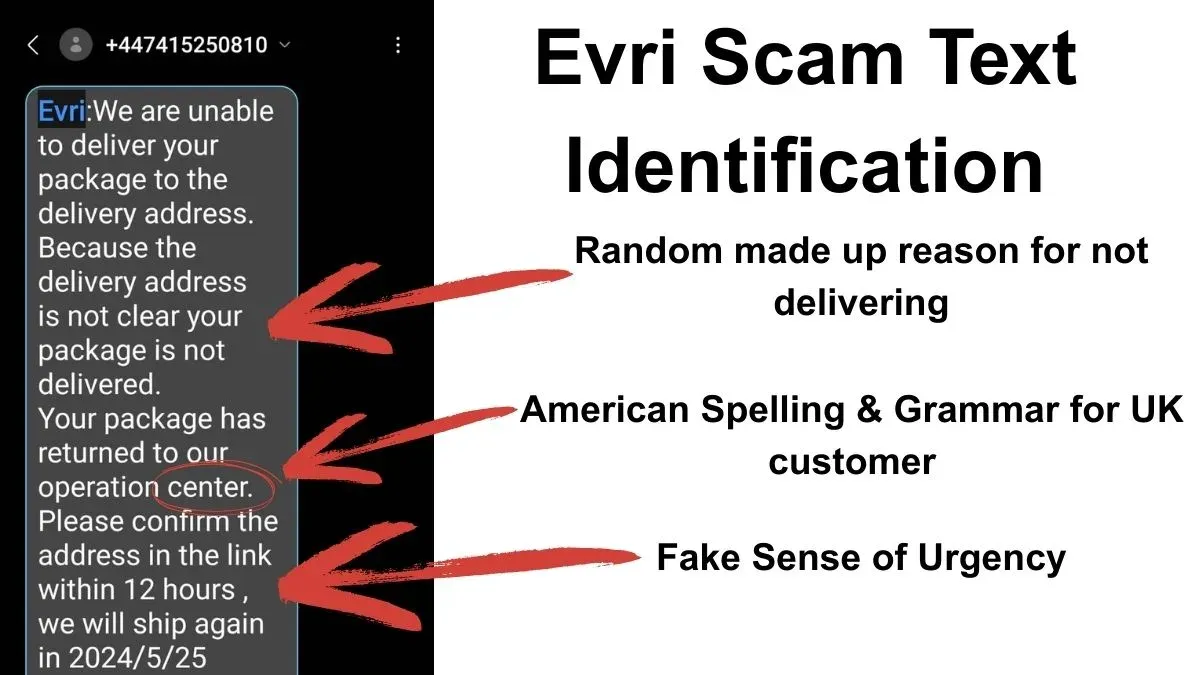
This article explains what an Evri scam text is and provides a clear framework for identifying and responding to suspicious messages claiming to be from the delivery company Evri.
Evri scam texts are fraudulent messages that imitate genuine delivery notifications, aiming to trick recipients into clicking malicious links or sharing personal information. These texts often create confusion by referencing undelivered parcels or missed deliveries, prompting immediate action.
Understanding the typical features of these scam texts and knowing how to verify their legitimacy can help consumers avoid falling victim. This guide also outlines practical steps for reporting suspicious messages and protecting personal data.
What is the Evri scam text and why it matters
Evri scam texts are fraudulent messages designed to appear as if they originate from Evri, the UK-based parcel delivery service. These texts often claim there is an issue with a parcel delivery, prompting recipients to click on a link or provide personal information. Scammers exploit the familiarity and urgency associated with package notifications to encourage immediate action, increasing the chance of victims falling for the deception.
The prevalence of these scam texts has grown significantly, with many consumers reporting receiving multiple suspicious messages weekly. The high open rates for delivery-related texts make them an attractive target for fraudsters aiming to steal financial details, commit identity theft, or infect devices with malware. For example, a typical scam message might warn of a failed delivery attempt and urge the recipient to confirm their address via a provided link, which instead leads to a fake website designed to capture sensitive data.
Falling victim to these scams can result in significant financial loss or compromised personal information. Evri has publicly acknowledged the issue, warning customers to be vigilant and to verify messages through official channels. These scams also damage trust in legitimate delivery communications, making it harder for genuine notifications to be recognized and acted upon promptly.
What does an Evri scam text look like
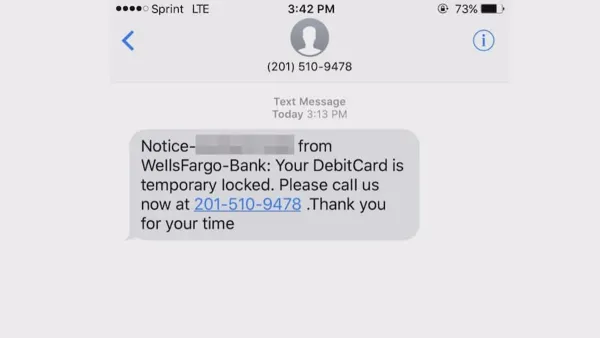
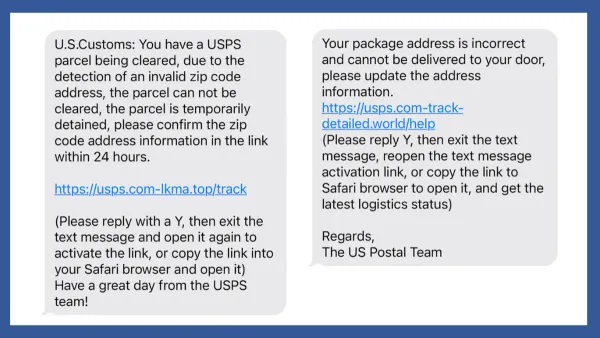
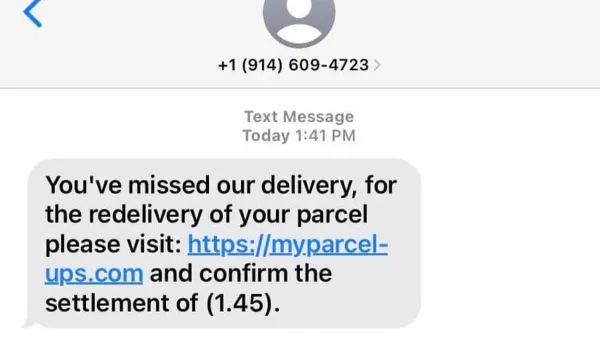
Evri scam texts often mimic genuine delivery notifications but include several telltale signs. These messages typically use urgent language, such as "Your parcel is waiting" or "Action needed immediately," pressuring recipients to click links or call numbers without verifying details. They may also reference incomplete or suspicious delivery addresses, like "Flat 2, Some Street" without a postcode or city.
Fake tracking links are common, directing users to fraudulent websites designed to steal personal information. These URLs often contain misspellings or unusual domain names that differ from Evri's official site (evri.com). Similarly, phone numbers in scam texts may be premium-rate or unrecognisable, unlike legitimate Evri contact numbers.
Inconsistencies in sender information and message formatting are another red flag. Genuine Evri texts usually come from short codes or recognisable numbers and maintain consistent branding and spelling. Scam texts may show random alphanumeric sender IDs or irregular grammar.
For example, a scam text might read: "Evri Delivery Alert: Your parcel is at Flat 5, 123 Main St. Click here to reschedule: http://evri-delivery.uk/track123" whereas a genuine message would state the full address, use clear language, and include a verified evri.com link.
| Feature | Evri Scam Text | Genuine Evri Text |
|---|---|---|
| Sender ID | Random code or number | Short code or official number |
| Language | Urgent, vague, grammatical errors | Clear, professional |
| Links | Suspicious URLs, misspellings | Official evri.com links |
| Addresses | Incomplete or generic | Complete and accurate |
Is Evri delivery text message scam real and can you get scammed by text
Evri scam texts are a genuine and widespread threat in the UK, affecting many consumers who receive fraudulent delivery notifications via SMS. This type of scam falls under the broader category of SMS phishing, commonly known as smishing, where attackers use text messages to trick recipients into revealing personal information or installing malware.
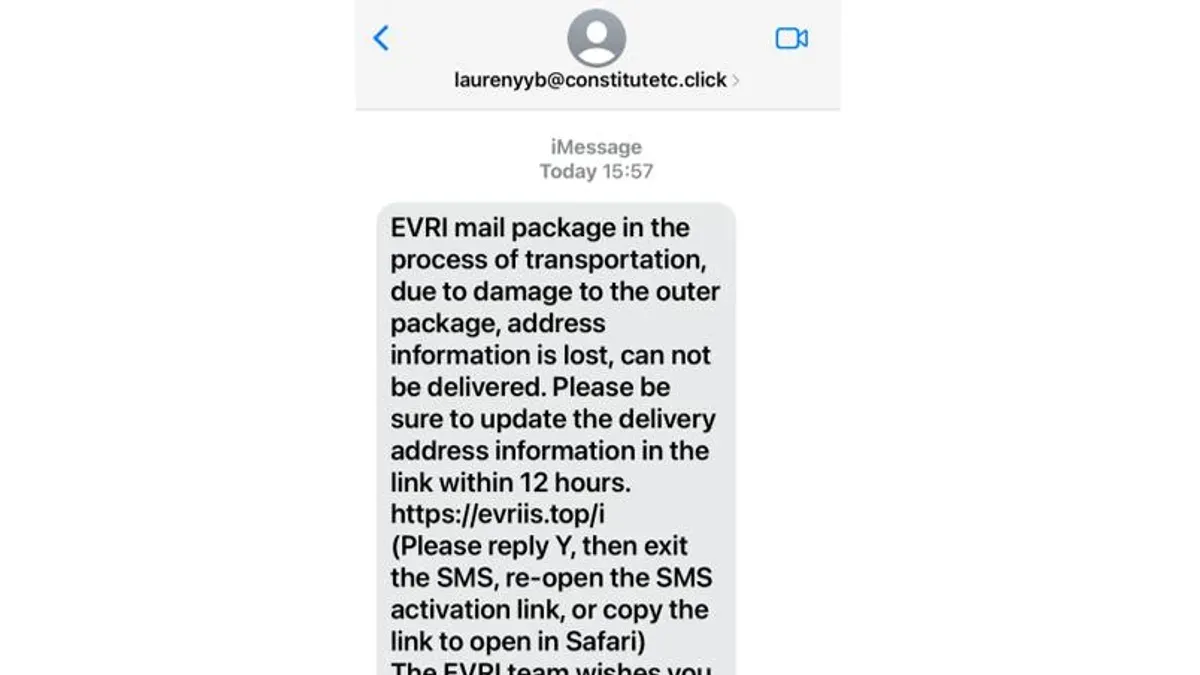
Scammers often employ techniques like spoofing, which manipulates the sender ID to make the message appear as if it comes from a legitimate source such as Evri. These messages typically contain fake links that lead to fraudulent websites designed to capture login credentials or payment details. In some cases, clicking the link can initiate the download of malicious software on the victim’s device.
Text messaging remains a highly effective medium for scams because of its immediacy and high open rates. Unlike email, SMS messages are usually read quickly, increasing the chance that a recipient acts before scrutinizing the message. For example, a consumer might receive a text stating a parcel is awaiting delivery with a clickable link to reschedule; if the link is malicious, it can compromise the user’s data or device.
Experts highlight that smishing attacks have grown alongside the rise of mobile communication, with scam messages impersonating major delivery firms like Evri becoming increasingly common. Reports from victims confirm losses ranging from stolen personal details to financial fraud following interaction with scam texts.
How to recognize and avoid Evri scam text messages
To verify a suspicious Evri delivery text, start by examining the sender details closely. Genuine Evri messages typically come from official numbers or short codes; unusual phone numbers or alphanumeric senders should raise caution. Next, read the message content carefully—watch for spelling errors, vague wording, or pressure tactics urging immediate action.
A practical step is to avoid clicking any links within the message. Instead, open a browser and type the official Evri website address directly or use their verified app to check package status. Never provide personal details such as bank information or passwords via text. Installing reputable mobile security software can help detect and block malicious links embedded in scam texts.
Consider this example: a text claims a parcel is held due to missing customs info and includes a link to "resolve" it. Instead of clicking, the recipient visits the official Evri site, logs in securely, and finds no alert about the parcel. This confirms the text is fraudulent.
Use this verification checklist:
- Check sender number for legitimacy
- Assess message tone for urgency or errors
- Do not click embedded links
- Confirm package status via official Evri channels
- Keep security software updated
Tip: When in doubt, delete the message and contact Evri customer service directly before taking any action.
What to do if you get a scam text from Evri
Upon receiving a suspicious Evri delivery text, the first step is to avoid responding or clicking on any links, as these may lead to phishing sites or malware downloads. Instead, block the sender number using the mobile phone's messaging or call settings—on most devices, this can be done by selecting the message, tapping the options menu, and choosing "Block number".
Reporting the scam is crucial. Evri encourages recipients to forward scam texts to their dedicated number 7726 (which spells SPAM on a keypad), a free UK-wide service used by mobile operators and authorities to track and combat text scams. Additionally, report the incident to Action Fraud, the UK's national fraud reporting centre, via their website or by calling 0300 123 2040. Such reporting has helped authorities take down scam operations and warn the public effectively.
After reporting, monitor bank and credit card statements carefully for unusual transactions, and check devices for unexpected behaviour that might indicate malware infection. For example, if a consumer receives a text claiming a missed Evri delivery with a suspicious link, blocking the sender and forwarding the message to 7726, then reporting to Action Fraud, can prevent financial loss and assist authorities in tracing the scammers.
How to report Evri scam text and why reporting matters
Reporting suspicious Evri scam texts promptly is crucial to combatting smishing and protecting others. The first step is to forward the scam text to Evri's official customer service. This can be done by sending the message to their dedicated scam reporting number, which is 7726 (spelling “SPAM” on most keypads). Alternatively, customers can report scams through Evri’s website under the “Contact Us” or “Report a Scam” section, where a form is available to submit detailed information.
Beyond Evri, reporting to government agencies such as Action Fraud strengthens wider law enforcement efforts. Action Fraud accepts reports online at https://www.actionfraud.police.uk/report-phishing, where users can provide evidence including screenshots and message details. Additionally, mobile network providers offer spam reporting services, often by forwarding the scam text to 7726, helping carriers block malicious numbers.
Tip: Preserve the original scam text without deleting it, avoid clicking any links, and take screenshots to include with reports for clear evidence.
Reporting plays a key role in improving scam detection algorithms and informing public awareness campaigns, which have led to measurable declines in scam activity after coordinated efforts. For example, after a surge in Evri-related smishing, combined reports helped Evri and authorities block thousands of fraudulent numbers and warn customers more effectively.
Common mistakes to avoid with Evri scam texts
A frequent error is assuming that all delivery texts are legitimate without verifying their source. For example, a recipient might receive a message claiming a parcel is awaiting collection, then click a link without checking the official Evri app or website, leading to potential malware installation or data theft.
Another common mistake is clicking on suspicious links or downloading attachments embedded in these messages. These actions can compromise devices or expose personal information to scammers.
Sharing personal or financial details in response to such texts is particularly risky. Scammers often impersonate Evri to extract bank details or passwords, so responding with sensitive information can result in fraud.
Failing to report scam texts allows scammers to continue targeting others. Reporting suspicious messages to Evri and official agencies helps disrupt scam operations and protect the wider community.
Tip: Always cross-check delivery notifications through official channels before taking any action linked to a text message.
How Evri and others are fighting back against scam texts
Evri and telecom providers employ multiple strategies to curb scam texts and protect consumers. One key technological measure is sender ID verification, which helps confirm whether a message truly originates from Evri. Telecom companies also use advanced spam filters that analyse message patterns and block suspicious texts before they reach recipients' phones.
Public awareness campaigns play a vital role in educating consumers about scam texts. Evri regularly updates its website with safety tips and issues alerts when new scam variants emerge. Mobile networks often send their own warnings and guidance to customers, reinforcing vigilance against fraudulent messages.
Collaboration with law enforcement agencies aims to identify and prosecute scammers. Evri shares data on scam trends with authorities, supporting investigations and the disruption of criminal networks behind smishing attacks. However, the rapidly changing tactics of fraudsters and the global nature of SMS networks present ongoing challenges.
For example, telecom providers use the industry-wide framework known as STIR/SHAKEN, which authenticates caller identity for voice calls and is being adapted to enhance SMS security. Despite these efforts, scam texts continue due to limitations in technology and jurisdictional hurdles.
Tip: Consumers can check with their mobile provider about available spam protection services and ensure these are activated.
Further reading
- Types of Cyber Attacks: A Comprehensive Explainer Guide
- Understanding Advance Fee Scams: How They Work and How to Avoid Them
- Brushing Scam Explained: What It Is and How to Protect Yourself
- How to Check If an Online Store Is Legit: A Step-by-Step Guide
Frequently asked questions
Should i report spam texts?
Yes, reporting spam texts is an important step in helping authorities and telecom providers track and block scam operations. In the UK, forwarding suspicious messages to 7726 (SPAM) is a quick and free way to alert your mobile network. This collective data helps reduce the spread of scam texts and protects other consumers.
Is there a scam with evri?
Yes, there are scams that impersonate Evri, a UK parcel delivery company. These scams typically involve fraudulent texts pretending to be delivery notifications, aiming to trick recipients into clicking malicious links or providing personal information. Being aware of such scams helps consumers avoid falling victim.
Is there an evri delivery scam?
Evri delivery scams involve fake text messages claiming there is a problem with a parcel delivery or that a package is awaiting collection. These messages often include a link to a fraudulent website designed to steal personal data or payment details. Genuine Evri notifications will never ask for sensitive information via text.
Is there an evri scam?
Yes, scams involving Evri use the company’s name to give credibility to fraudulent messages. These scams exploit consumers’ expectations of parcel delivery to prompt urgent action, usually leading to phishing websites or malware. Knowing how to identify these scams reduces the risk of compromise.
What is the evri scam text message?
The Evri scam text message is a deceptive SMS that pretends to be from Evri, often stating there is an issue with a parcel or a failed delivery attempt. It includes a link to a counterfeit website where scammers attempt to collect personal or financial information. Key signs include poor spelling, unexpected messages, and suspicious links.
Limits of this advice
This advice focuses specifically on scams impersonating Evri via text messages and does not cover scams unrelated to Evri or those delivered through email or phone calls, which may require different detection and reporting approaches.
Individuals with limited digital literacy or accessibility needs might find it challenging to apply these guidelines fully and may benefit from additional support, such as assistance from trusted family members, friends, or professional services.
Taking prompt action by verifying the legitimacy of any suspicious Evri text through official channels is the most practical step to reduce risk. Contacting Evri directly via their official website or customer service number before responding to any message can help avoid falling victim to scams.