How to Identify and Report Royal Mail Scam Texts Safely
This article explains how to identify and report Royal Mail scam texts safely, helping UK residents avoid fraud and protect personal information.

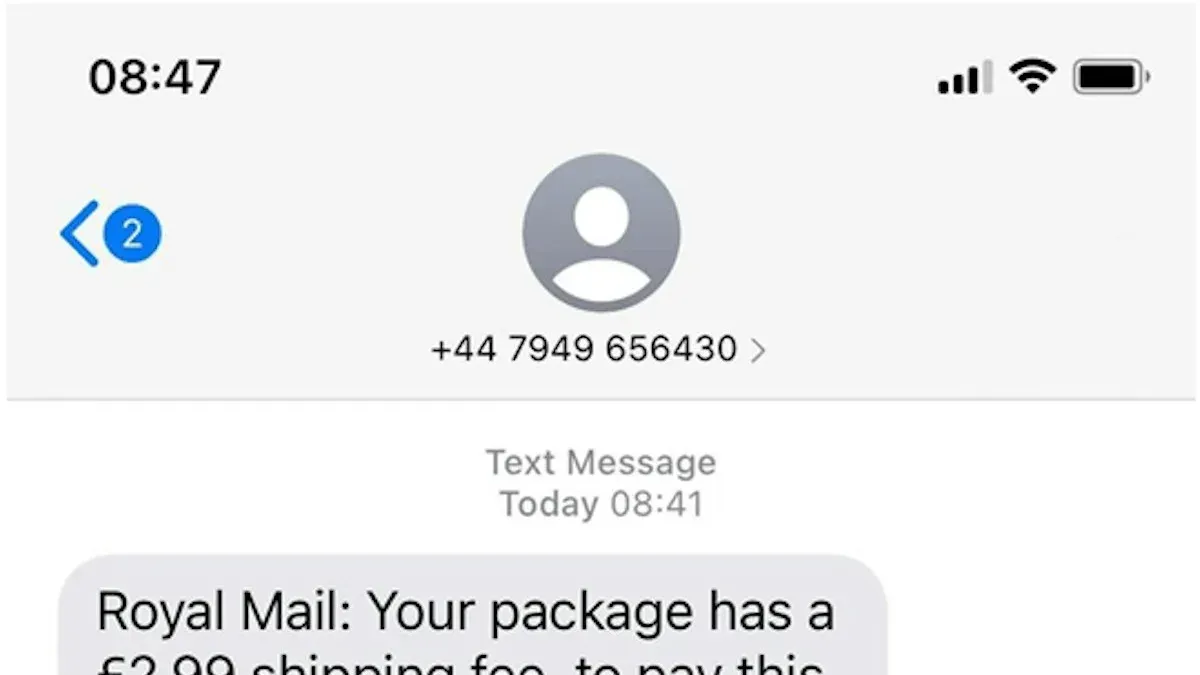
This article explains how to identify and report a Royal Mail scam text safely, helping UK residents distinguish genuine delivery messages from fraudulent ones. A Royal Mail scam text often imitates parcel delivery alerts, prompting recipients to click links or share personal data that criminals use to commit fraud.
Understanding the typical features of legitimate Royal Mail communications can prevent falling victim to these scams. The challenge lies in balancing caution with the need to respond promptly to real delivery notifications, as scammers increasingly use sophisticated tactics that exploit parcel tracking concerns.
Clear guidance on verification steps and effective reporting methods can protect personal information and finances while maintaining trust in genuine Royal Mail services.
What Royal Mail scam texts are and why they matter
Royal Mail scam texts are fraudulent messages designed to look like official communications from Royal Mail. These texts often mimic legitimate parcel delivery notifications, aiming to deceive recipients into believing they must take immediate action.
Common tactics include urging urgent responses, such as clicking a link to reschedule delivery or pay customs fees, and requesting sensitive personal or financial information. For example, a scam text might say, "Your parcel is awaiting customs clearance. Pay the fee here to avoid return," followed by a suspicious link.
The rise in online shopping and parcel deliveries, combined with widespread mobile phone use, has made these scams more prevalent. Recipients who fall for these messages risk identity theft and financial loss, as scammers may use stolen details to access bank accounts or commit fraud.
Reported incidents of Royal Mail-related scams continue to grow, with fraud losses linked to postal scams representing a significant share of reported financial crime. These scams exploit the familiarity and trust associated with Royal Mail to bypass initial suspicion.
Example: A recipient receives a text claiming a parcel cannot be delivered due to unpaid fees and is prompted to enter card details on a fake website. The victim unknowingly provides payment information to criminals, resulting in unauthorised transactions.
How to know if a text message from Royal Mail is genuine
Authentic Royal Mail texts typically come from sender IDs such as "RoyalMail" or short codes that clearly relate to the service. These messages include specific parcel details, like a tracking number, and instruct recipients on how to arrange redelivery or collect items. Genuine texts provide URLs that begin with https://www.royalmail.com or direct users to official Royal Mail apps or websites rather than shortened or unfamiliar links.
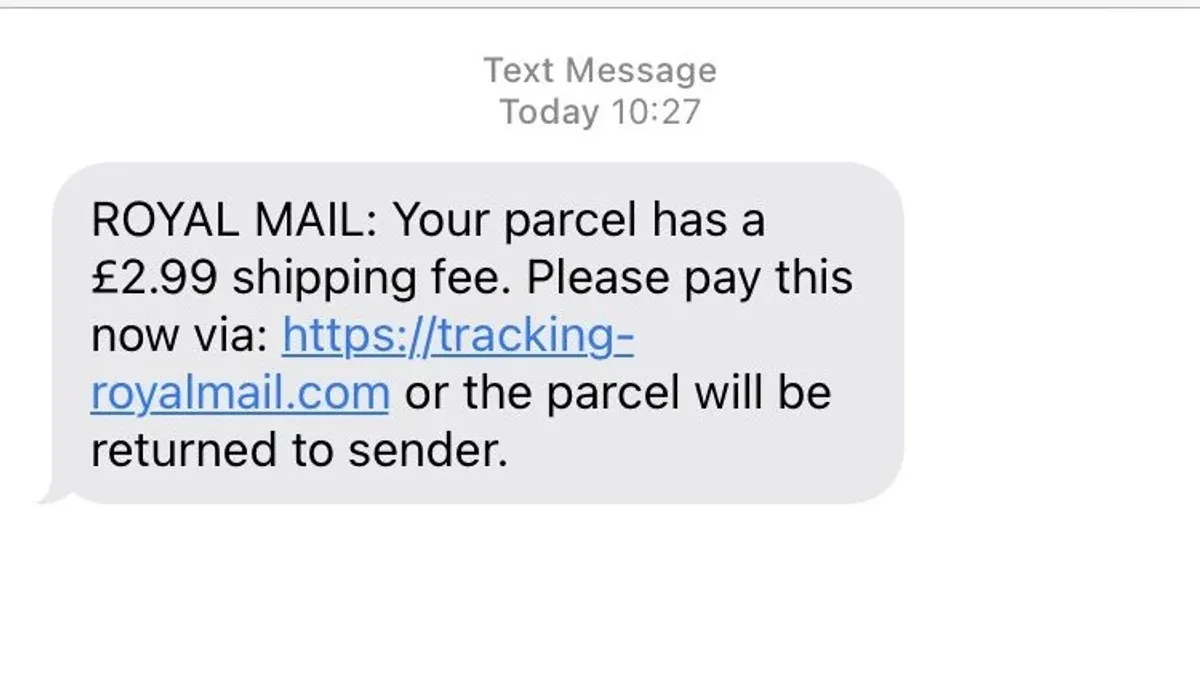
Verification is best done independently by entering the Royal Mail website address directly into a browser or contacting Royal Mail customer service at 03457 740 740. Avoid clicking links in unexpected messages. Real Royal Mail texts do not request payment via text or ask for sensitive personal information such as bank details or passwords.
| Feature | Genuine Royal Mail Text | Scam Text |
|---|---|---|
| Sender ID | "RoyalMail" or official short code | Random numbers or spoofed names |
| Message Content | Parcel reference, tracking number, redelivery info | Generic parcel info, urgent payment demands |
| Links | Directs to official royalmail.com URLs | Suspicious URLs, shortened or unrelated domains |
| Requests | No requests for payment or sensitive data via text | Requests for card details or personal info |
For example, a genuine message might read: "Royal Mail: Your parcel 123456789 has been delivered. For redelivery or to arrange collection, visit https://www.royalmail.com/track-your-item or call 03457 740 740." A scam text could say: "Parcel missed! Pay £2.99 at http://rm-delivery.co to avoid return." The latter uses a suspicious link and demands payment, both red flags.
Tip: Always verify parcel status by manually visiting the Royal Mail website or calling official customer service numbers rather than relying on links in text messages.
Are there common Royal Mail scam text variations to watch for
Several recurring themes appear in Royal Mail scam texts, designed to prompt quick, often unconsidered reactions. One frequent tactic is the redelivery scam, where the message claims a parcel could not be delivered and demands payment or bank details to reschedule delivery. For example, a text might read: "Your parcel is awaiting redelivery. Pay £2.99 now at [fake URL] to avoid return." Unlike genuine Royal Mail texts, these messages request immediate financial information.
Another common variation references incomplete or incorrect addresses, aiming to create urgency. A scam message may state: "Delivery failed due to incorrect address: 12B Baker St. Update details at [malicious link]." This exploits recipients’ concern about missed deliveries, pushing them toward clicking unsafe links.
Fake parcel notifications often emphasize urgent action to prevent delivery failure. An example might be: "Last chance to confirm your delivery or it will be returned. Click here [spoofed link]." These texts typically use threatening language to increase pressure.
Scammers frequently spoof sender names or phone numbers to appear legitimate, sometimes mimicking Royal Mail short codes or official-looking numbers. However, these can differ slightly from authentic Royal Mail identifiers, which are consistent and verifiable.
Tip: Genuine Royal Mail texts rarely ask for payment or sensitive information via links and come from recognized sender IDs, so scrutinizing sender details and message tone helps spot scams.
How to report Royal Mail scam text messages effectively
To protect personal data and help authorities disrupt scam operations, suspicious Royal Mail texts should be reported promptly using official channels. Forward the scam message directly to 7726 (which spells SPAM on a phone keypad). This free service alerts mobile providers who can block these numbers and investigate further.
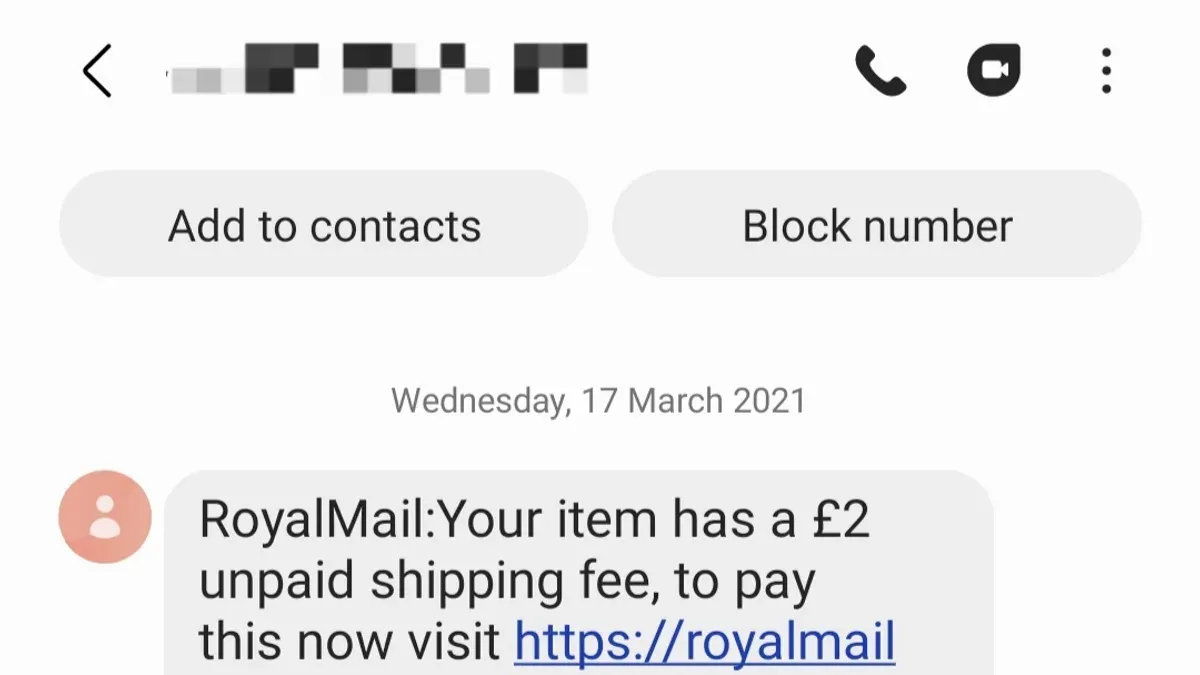
Additionally, contact Royal Mail Customer Services by phone at 03457 740 740 or via their official website’s contact page to report the scam. Provide details such as the full text message, sender information, and the time it was received.
Preserve the original message without clicking any links or replying, as interaction may expose devices to malware or confirm active numbers to scammers. Screenshots can support reporting but keep the original intact for verification.
For example, a recipient received a text claiming a parcel was undeliverable and urged clicking a link to reschedule. They forwarded the message to 7726 and notified Royal Mail, leading to the scam number being blocked and reported to law enforcement. Authorities sometimes follow up with advice or requests for further information, so keeping communication channels open is useful.
Tip: Reporting scam texts not only protects the individual but also helps mobile networks and law enforcement disrupt ongoing fraud campaigns.
Common mistakes to avoid when dealing with Royal Mail scam texts
One frequent error is clicking on suspicious links or downloading attachments within scam texts. These actions can install malware or redirect to fake websites designed to steal personal or financial data. For example, a recipient who clicked a link claiming to reschedule a delivery inadvertently gave scammers access to their bank login credentials.
Another critical mistake is providing personal, banking, or login information in response to unsolicited texts. Legitimate Royal Mail messages never request sensitive details via SMS. Responding directly risks identity theft or unauthorized transactions.
Many fall prey to the urgency conveyed in scam texts, rushing to comply without verification. This sense of immediate action can override caution, increasing vulnerability. Ignoring the possibility of a scam due to message urgency undermines protection efforts.
Failing to independently confirm the text’s authenticity through official Royal Mail channels is another common lapse. Verifying delivery details on Royal Mail’s official website or contacting customer services directly helps avoid deception. Neglecting this step can lead to unnecessary exposure of personal information.
Tip: Always pause and verify suspicious messages through official Royal Mail sources before interacting with any links or requests.
Further reading
- How to Spot and Avoid FedEx Scam Texts Safely
- Understanding Evri Scam Texts and How to Protect Yourself
- Types of Cyber Attacks: A Comprehensive Explainer Guide
Frequently asked questions
How do i know if a text message from royal mail is genuine?
A genuine Royal Mail text typically includes specific details such as your name, a valid tracking number, and clear instructions without urgent demands. It will come from a verified sender ID, often including “Royal Mail” or a short code associated with the company. Avoid clicking on links or providing personal information unless you confirm the message’s authenticity through official Royal Mail channels or their website.
How do i know if a text from royal mail is genuine?
Look for signs like correct spelling, grammar, and a clear explanation of why the message was sent. Genuine texts rarely ask for personal or payment information directly via SMS. If unsure, visit the official Royal Mail website or contact their customer service to verify the message.
Is there a royal mail scam?
Yes, there are scams impersonating Royal Mail that try to trick recipients into revealing personal data or making payments. These scams often exploit parcel delivery concerns, sending fake notifications about missed deliveries or customs charges to prompt immediate action.
Are royal mail text scams?
Some texts claiming to be from Royal Mail are scams designed to steal personal information or money. It is essential to scrutinize unexpected or suspicious messages and avoid interacting with them until their legitimacy is confirmed.
Is there a royal mail scam text?
Royal Mail scam texts exist and typically involve fraudulent messages about parcels requiring payment or action. Recognising these requires checking sender details, avoiding unknown links, and reporting suspicious texts to Royal Mail or official fraud prevention services.
Limitations of this advice and when to seek direct support
This advice does not cover scams involving other delivery companies or phishing attempts via email or phone calls claiming to be Royal Mail. Users with urgent or complex parcel issues should verify directly through official Royal Mail customer service rather than relying solely on text messages.
The most effective next step after receiving a suspicious Royal Mail text is to independently verify the message by visiting the official Royal Mail website or contacting their customer service using publicly available phone numbers. This helps confirm whether a delivery notification is genuine and prevents falling victim to scams designed to steal personal or financial information.