How to Spot and Report Wells Fargo Scam Texts Safely
Learn to recognize Wells Fargo scam texts and report them safely to protect your personal data from fraudsters.

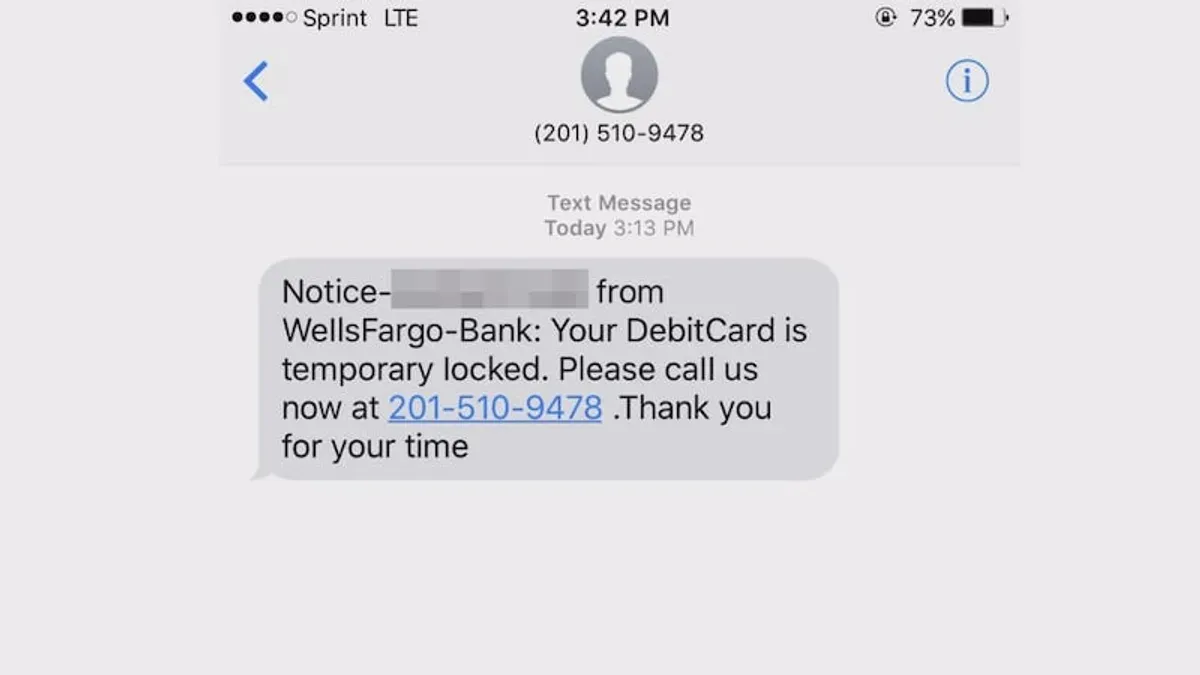
This article explains how to recognize Wells Fargo scam text messages and differentiate them from legitimate bank alerts, using real examples and customer reports. Scammers often mimic Wells Fargo text alerts, attempting to trick recipients into revealing personal information or clicking harmful links. A common Wells Fargo scam text might claim there is an urgent issue with an account or request verification through a suspicious link.
Understanding the specific features of genuine Wells Fargo messages—such as sender ID formats, language style, and typical content—helps consumers identify scams accurately. This guide also outlines the correct steps to report suspicious texts to Wells Fargo and avoid common mistakes that can expose personal data or worsen the situation.
Understanding Wells Fargo Text Messages and Alerts
Wells Fargo provides text message notifications to customers who opt in for these services, primarily for fraud alerts, transaction confirmations, and account security updates. Customers must actively enroll in text alerts through Wells Fargo's online banking portal or mobile app, ensuring they consent to receive messages via their registered phone numbers.
Official Wells Fargo texts typically come from short codes such as "93557" or sender IDs that clearly reference Wells Fargo. The messages are concise, professional, and often include partial account numbers or transaction details to help customers identify the relevant account. For example, a legitimate alert might read: "Wells Fargo Alert: A purchase of $45.00 was made on your account ending in 1234."
Unlike emails or phone calls, Wells Fargo text alerts never ask for sensitive information like full account numbers, Social Security numbers, or passwords. They also do not include clickable links requesting account verification. Customers should recognize that official texts serve as informational notices, while Wells Fargo uses separate channels for sensitive communications.
Tip: Verify that the sender number matches Wells Fargo’s known short codes and avoid responding directly to unexpected texts without confirming through the official Wells Fargo app or website.
What Wells Fargo Scam Texts Look Like and How They Work
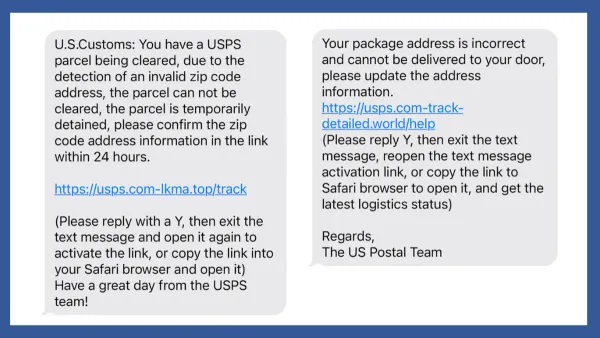
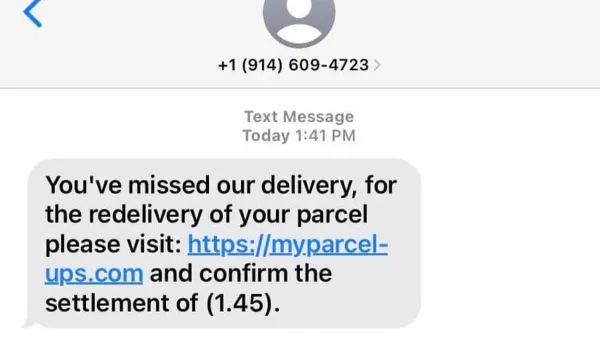
Wells Fargo scam texts often use urgent language to provoke immediate action, such as "Your account has been locked, verify now" or "Suspicious activity detected, click here to resolve." These messages typically contain suspicious links leading to fake websites designed to steal personal information.
Scammers frequently spoof sender IDs to mimic Wells Fargo, using names like "WellsFargo" or phone numbers resembling official short codes but with subtle differences. For example, a scam text might come from a number like "+1-800-935-9935" instead of the legitimate Wells Fargo alert short code.
Recent scams reported on platforms like Reddit include messages stating, "Alert: Unusual login attempt detected. Confirm your identity at [fake URL]." Such wording exploits recipients' fear of fraud to prompt hasty clicks and data submission.
Comparatively, official Wells Fargo texts avoid links and requests for sensitive details, focusing on brief notifications without alarming language. Scam messages often contain grammatical errors or inconsistent formatting, further distinguishing them from authentic alerts.
Example: A common scam text reads, "Wells Fargo Alert: Your account will be suspended unless you verify at http://secure-wellsfargo.com." This blends urgency with a deceptive link, aiming to trick recipients into revealing passwords or account numbers.
Is There a Wells Fargo Scam Text? Understanding the Risks
Wells Fargo scam texts are a documented and widespread issue affecting many customers. Consumer protection agencies and Wells Fargo itself have reported numerous instances where fraudsters impersonate the bank to steal personal information or money. These scams pose significant risks, including unauthorized access to accounts and identity theft, which can lead to long-term financial harm.
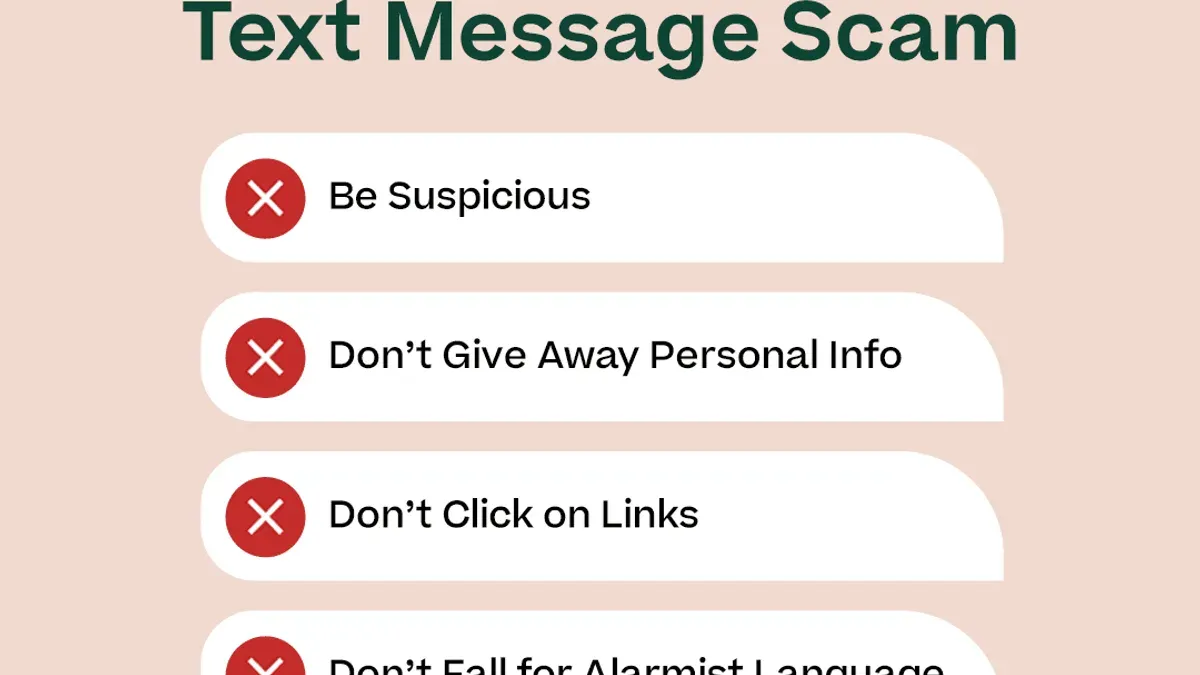
Scammers continually refine their methods, often mimicking Wells Fargo's communication style with more convincing language and sophisticated sender IDs. For example, a customer might receive a text claiming suspicious activity on their account, urging immediate action through a provided link. Clicking the link can lead to fraudulent websites designed to capture login credentials.
Despite Wells Fargo’s strong security protocols, customers must remain alert because scammers exploit any gaps in awareness. Vigilance helps prevent falling victim even when fraudulent texts appear increasingly authentic.
How to Report a Scam Text to Wells Fargo
Consumers suspecting Wells Fargo scam texts should promptly forward the suspicious message to Wells Fargo’s dedicated fraud reporting number, 7726 (SPAM). This short code allows the bank’s security team to track and investigate scam attempts efficiently.
Additionally, Wells Fargo’s official website offers an online fraud reporting form accessible under the “Security & Fraud” section. After submitting a report, customers can also contact Wells Fargo’s customer service line at 1-800-869-3557 to discuss concerns and receive guidance.
Timely reporting helps Wells Fargo block fraudulent sources and alert other customers, limiting potential losses. For example, a customer who forwarded a suspicious text to 7726 received a follow-up call from the bank confirming the scam and was advised to monitor account activity closely.
Beyond the bank, reporting scam texts to local law enforcement or the Federal Trade Commission (FTC) via their online complaint portal adds an extra layer of accountability and aids broader fraud investigations.
Tip: Always forward the scam text without clicking any embedded links or replying directly to the sender.
Mistakes to Avoid When Dealing With Wells Fargo Scam Texts
One frequent error is responding directly to suspicious texts or clicking links without verifying their origin. For example, a consumer who replied to a message claiming to be from Wells Fargo inadvertently confirmed their phone number as active, leading to increased scam attempts. Sharing personal or banking information without authenticating the sender is another common vulnerability, often exploited by scammers posing as bank representatives.
Ignoring suspicious messages or assuming Wells Fargo will automatically address the issue can delay necessary protective actions. Customers sometimes wait for the bank to notify them about fraud, which may result in more significant financial exposure. Additionally, failing to update account security settings after suspecting fraud—such as neglecting to change passwords or enable multi-factor authentication—leaves accounts open to further compromise.
Expert advice emphasizes verifying all communications through official Wells Fargo channels before taking any action. Secure communication habits, including using the Wells Fargo app or official website to confirm alerts, help reduce risk and support fraud investigations effectively.
Protective Measures to Safeguard Against Wells Fargo Text Scams
Customers can significantly reduce their risk of falling victim to Wells Fargo scam texts by implementing multi-factor authentication (MFA). Wells Fargo’s online banking platform allows users to enable MFA via the Security Center under Profile & Settings, adding an extra verification step when logging in. This prevents unauthorized access even if login credentials are compromised.
Setting secure alert preferences is another key step. Wells Fargo customers should customize alerts through the Mobile & Online Settings menu to receive notifications only for specific transactions or security events, minimizing exposure to fraudulent messages that mimic generic alerts.
Regular monitoring of account activity through Wells Fargo’s official website or mobile app helps detect unauthorized transactions early. For example, a user who notices a small unfamiliar charge can quickly report it before larger fraud occurs.
Educating oneself about phishing and SMS spoofing tactics is vital. Knowing that scammers may use text messages that appear to come from Wells Fargo but contain suspicious links can prompt skepticism and careful verification.
Using trusted security software and keeping devices updated ensures vulnerabilities are patched and malicious software is blocked. Combining these measures creates multiple barriers against scam attempts.
Tip: Enabling multi-factor authentication and customizing alert preferences are among the most effective steps to block unauthorized access and reduce scam text impact.
Further reading
- How to Recognize and Report USPS Scam Texts Safely
- How to Spot and Handle UPS Scam Texts Safely
- How to Spot and Avoid FedEx Scam Texts Safely
- Understanding Advance Fee Scams: How They Work and How to Avoid Them
Frequently asked questions
Does wells fargo ever text you?
Yes, Wells Fargo may send text messages to customers who opt in for alerts and notifications. These texts usually relate to account activity, security alerts, or transaction confirmations and contain clear Wells Fargo branding.
Does wells fargo send text messages?
Wells Fargo sends text messages as part of its customer communication strategy, typically to provide real-time alerts about account transactions, fraud monitoring, or service updates. Customers must enroll in text alerts through their online banking settings to receive these messages.
Does wells fargo text you?
Wells Fargo can text customers if they have chosen to receive text notifications. The texts will come from a consistent short code or phone number associated with the bank and will never ask for sensitive information like full account numbers or passwords.
Does wells fargo send text alerts?
Yes, Wells Fargo offers text alerts for various banking activities such as low balances, large transactions, or suspicious activity. Customers can customize these alerts within the Wells Fargo online banking portal or mobile app under the Alerts & Notifications section.
How to report scam to wells fargo?
To report a scam text, customers should forward the suspicious message to Wells Fargo's dedicated short code 93557, which is reserved for phishing and scam reports. It is also advisable to contact Wells Fargo customer service directly via their official website or phone number to confirm and take further protective actions.
Limits of This Advice
This article focuses specifically on identifying and reporting Wells Fargo scam texts and does not cover other types of Wells Fargo fraud such as phone scams or phishing emails. These other forms of fraud require different recognition skills and reporting procedures. Consumers facing suspicious phone calls or emails claiming to be from Wells Fargo should consult dedicated resources or contact Wells Fargo directly through verified channels.
Given the evolving nature of scam tactics, the single most effective next step is to forward any suspicious text message to Wells Fargo’s dedicated scam reporting number: 93557 (SPAM). This allows the bank to investigate and take action promptly. Following this, it is advisable to review recent account activity through the official Wells Fargo mobile app or website and enable additional security features like account alerts and two-factor authentication to enhance protection.