How to Recover and Secure a Hacked League of Legends Account
This guide explains how to recover a League of Legends account hacked and secure it against future unauthorized access.

This guide explains how to recover a League of Legends account hacked or reset and outlines steps to protect it from future breaches. A League of Legends account hacked often results from compromised login credentials, unauthorized password changes, or linked third-party app vulnerabilities. Understanding why an account resets—whether due to a security breach or system error—helps determine the correct recovery path. Riot Games’ account recovery process involves verifying identity through registered email, phone number, or purchase history, which players must navigate carefully to regain access. Preventing future hacks requires enabling two-factor authentication via Riot’s Authenticator app and regularly updating passwords, especially if the same credentials are used elsewhere.
Why did my League of Legends account reset?
Account resets often stem from unauthorized password changes initiated by hackers after gaining access. When this occurs, players may find their progression, match history, or linked content missing as the account reverts to a state before recent activity. Riot's security systems can also trigger automatic resets or lockouts if suspicious activity is detected, temporarily restricting access while verifying the account holder.
Server-side issues or client bugs rarely cause true resets. More commonly, login failures or connection errors are mistaken for resets, creating confusion. For example, a player logging in repeatedly during server maintenance may see outdated data or experience delays that look like a reset but are actually temporary synchronization issues.
Account bans or suspensions might appear as resets because access is blocked, but these are handled distinctly through Riot's support system. Unlike resets, bans do not remove progress but restrict account use due to violations. Players should check the "Account Status" section in their Riot account dashboard for any disciplinary actions before assuming a reset.
Typical triggers logged by Riot support include unauthorized password changes, suspicious login patterns from new devices or IP addresses, and automated security lockdowns. Comparing user reports shows that confirmed hacks almost always involve credential compromise, while non-hack resets often trace back to server sync problems or mistaken login attempts.
Tip: Immediately check for email notifications from Riot about password changes or unusual logins to distinguish hacking from technical issues.
Why is my League of Legends account hacked?
Phishing scams disguised as official Riot Games emails or messages are a leading cause of account compromises. Attackers often send links mimicking the Riot login page, tricking players into entering their username and password. These scams exploit users' trust in official communications, making vigilance essential.
Another major vulnerability is password reuse across multiple websites. If a third-party site suffers a data breach, attackers use stolen credentials to attempt logins on League accounts. Without unique passwords, accounts become easy targets.
Lack of two-factor authentication (2FA) drastically increases risk. Accounts without 2FA are far more likely to be compromised in breach incidents because a password alone is insufficient protection. Activating 2FA via the Riot Games client or the Riot website adds a critical security layer.
Malware or keyloggers installed on a player’s device can silently capture login credentials. For example, a user downloading an unofficial mod or tool may unknowingly install software that records keystrokes, including Riot account passwords. This method bypasses password strength or 2FA entirely if the attacker accesses the device directly.
Tip: Always verify the URL before entering login details and enable 2FA in the Riot account settings under the "Security" tab.
How to recover hacked League of Legends account
The first step after suspecting a League of Legends account has been hacked is to initiate the official recovery process on Riot Games' support website. Users must provide all relevant account information, such as the username, linked email address, and any transaction IDs from past purchases. This data helps Riot verify ownership quickly and accurately.
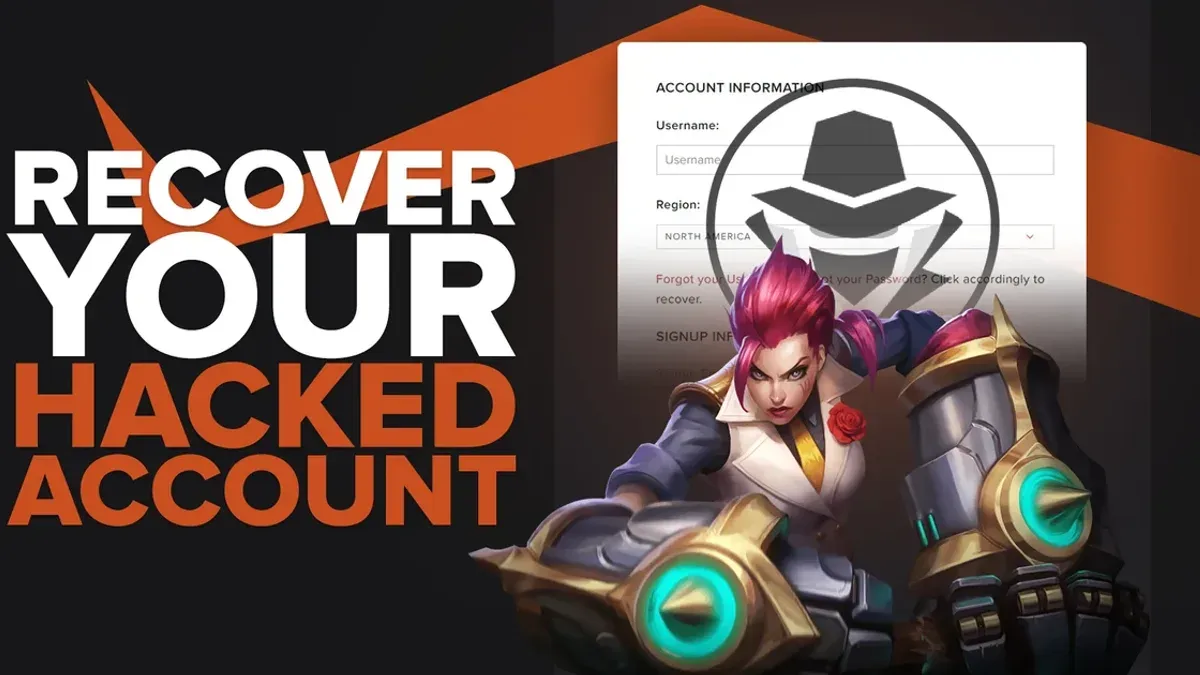
Proof of ownership is critical. Submission of purchase receipts, verification through the linked email or phone number, and details of the last successful login increase the chances of account recovery. For example, a player who submitted a recent purchase receipt and confirmed their registered email regained access within 48 hours, illustrating the effectiveness of thorough documentation.
Simultaneously, changing passwords on the linked email and any other associated services is essential to block continued unauthorized access. Attackers often target email accounts to bypass recovery efforts. Securing these prevents further compromise while waiting for Riot’s response.
If the automated recovery process does not restore access, contacting Riot support directly is necessary. Provide detailed information about the hacking incident, including the approximate time of compromise, any suspicious activity observed, and recent account changes. Riot’s support team typically responds within a few days, but response times can vary depending on volume.
Tip: Keep copies of all communication with Riot support and any recovery attempts to reference if additional follow-up is needed.
How to protect a League of Legends account from being hacked
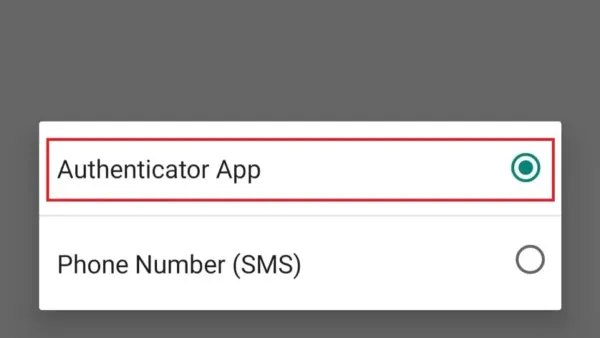
Enabling Riot’s two-factor authentication (2FA) significantly strengthens account security by requiring a verification code in addition to the password. This reduces the risk of unauthorized access even if the password is compromised. To activate 2FA, go to the Riot Games account settings, select "Security" and enable the two-factor authentication option using an authenticator app or SMS.
Using strong, unique passwords is crucial. Avoid common words or repeated passwords across multiple sites. A robust password combines uppercase and lowercase letters, numbers, and special characters, typically at least 12 characters long. Password managers can help generate and store complex passwords securely.
Phishing remains a common attack vector. Be vigilant by always verifying URLs before entering login details—Riot’s official site uses "riotgames.com" domains. Suspicious emails or links often feature slight spelling differences or unusual requests, such as urgent password resets. For example, a phishing email might prompt a player to click a link that leads to a fake login page designed to steal credentials.
Keeping devices secure is another layer of defense. Updated antivirus software detects malware that could capture passwords or keyloggers. Avoid downloading untrusted software or mods claiming to enhance gameplay, as these often carry hidden threats.
Regularly monitoring account activity and linked devices helps detect unauthorized access early. Riot’s account settings show recent logins and connected applications; reviewing these periodically can reveal suspicious activity before it escalates.
Tip: Combining strong passwords with 2FA and cautious behavior reduces hacking risks far more than relying on any single measure.
Common mistakes to avoid when dealing with a hacked account
Delaying action after noticing suspicious activity often leads to permanent loss of access. One player ignored initial unauthorized login alerts for days, allowing hackers to change the recovery email and password, which made regaining control nearly impossible. Promptly initiating Riot’s recovery steps can prevent such scenarios.
Sharing account credentials or recovery details with unverified third parties is another critical error. Several users have reported losing their accounts after trusting supposed support agents found in unofficial forums or social media. These impostors exploit trust to steal accounts rather than help recover them.
Relying on unofficial tools or services promising guaranteed account recovery is risky. These services often turn out to be scams designed to harvest login credentials or demand payment without delivering results. Using Riot’s official channels exclusively avoids this trap.
Failing to secure linked email accounts or other associated services can undermine recovery efforts. For example, an attacker who gains control of the primary email tied to a League account can reset passwords and lock out the original owner. Securing all connected accounts with strong passwords and two-factor authentication is essential before recovery attempts.
Tip: Verify every step of the recovery process through Riot’s official support site to avoid falling victim to scams or delays.
Frequently asked questions
Why my account is hacked?
Accounts get hacked primarily due to weak or reused passwords, phishing attempts, or malware on the device. Sharing login details or clicking suspicious links can expose credentials. Sometimes, breaches in related services where the same password is used lead to unauthorized access.
How to recover hacked League of Legends account?
Start by visiting the Riot Games account recovery page and submitting a request with all requested information, including proof of account ownership. Change the password immediately if access remains, and enable two-factor authentication. Contact Riot Support directly if standard recovery steps fail.
What does get hacked lol gaming mean?
Getting hacked in LOL (League of Legends) means an unauthorized party has gained access to a player’s account. This can result in loss of account progress, unwanted in-game purchases, or changes to account details. It often happens through stolen credentials or security lapses.
What to do if mobile legends account hacked?
For a hacked Mobile Legends account, contact the game’s official support with proof of ownership. Change linked email and passwords immediately. Avoid using third-party recovery tools and secure the device to prevent repeated breaches.
What this advice does not cover
This guide does not address recovery of accounts compromised through Riot’s internal security breaches, which are extremely rare and managed directly by Riot Games support. Some recovery steps require access to the original email address or phone number linked to the account; without these, full recovery may not be possible. Cases involving lost access to both email and phone may require submitting a support ticket with as much account detail as possible but might still have limited resolution.
The single most effective next step after suspecting a hacked account is to immediately secure the linked email account by changing its password and enabling two-factor authentication. This prevents further unauthorized access and is critical before attempting any League of Legends account recovery actions.
See also: How to Recover and Protect a Hacked iCloud Account · How to Turn On Two-Factor Authentication on Discord: A Step-by-Step Guide · How to Turn On and Off Two-Factor Authentication on Instagram