How to Recover and Protect a Hacked Snapchat Account
This guide explains how to recognize, recover, and secure your Snapchat account hacked by unauthorized access.

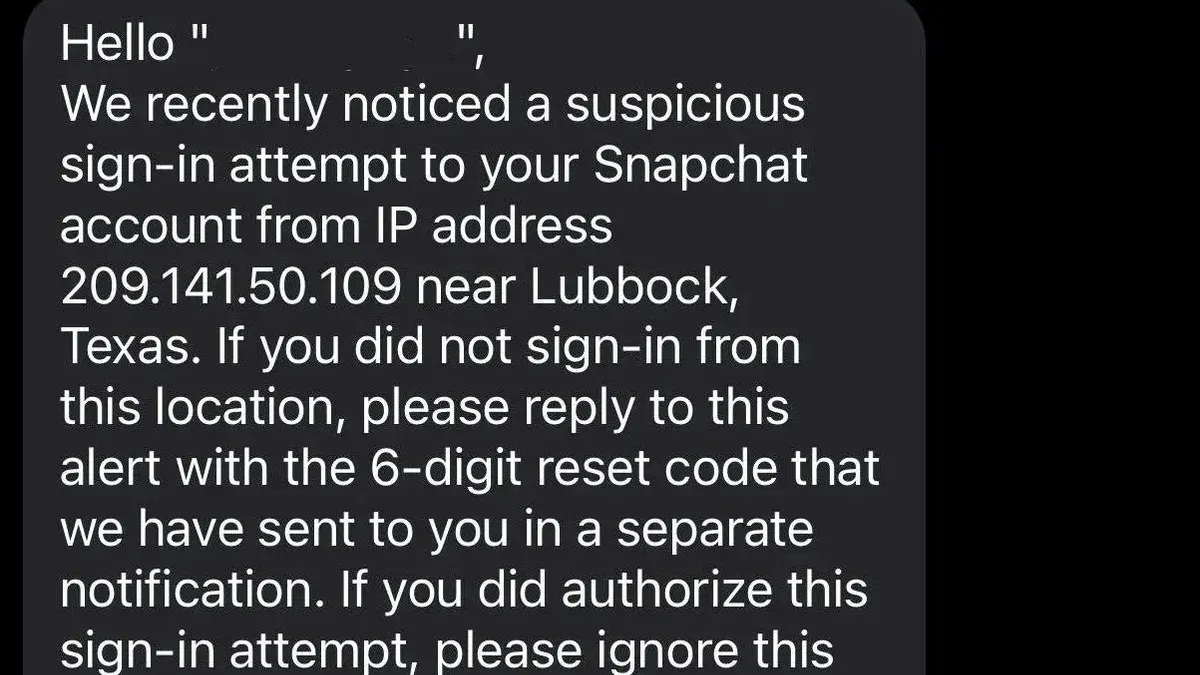
This article explains how to address a Snapchat account hacked situation by outlining how breaches typically occur, signs to recognize unauthorized access, and steps to regain control and enhance security.
When a Snapchat account hacked incident happens, it means someone besides the rightful user has gained access, often putting personal information and contacts at risk. Common attack methods include phishing attempts, exploiting weak passwords, or using third-party apps that compromise credentials. Understanding these vectors helps users act quickly and effectively.
Snapchat's security features provide some protection, but users bear significant responsibility for maintaining account safety. This guide combines technical insights with practical recovery and prevention steps to help users respond appropriately to suspicious activity.
What it means when a Snapchat account is hacked
Hacking a Snapchat account involves unauthorized access by someone other than the account owner. This breach allows the hacker to view private messages, access saved Snaps, and potentially manipulate the account settings. The consequences range from loss of personal data and privacy violations to impersonation and even permanent account lockout.
For example, a user might suddenly find their Snapchat contacts receiving strange messages or inappropriate content sent from their account without their consent. This not only damages personal relationships but can also lead to embarrassment or reputational harm. Additionally, hackers may change the account password or linked email, effectively locking out the rightful owner.
Data from various social media platforms suggest that account hacking often leads to identity theft or unauthorized transactions. While Snapchat has security measures in place, its users remain vulnerable if their login credentials are compromised. Prompt action is essential to prevent further misuse or data exposure.
Tip: Recognizing unusual activity like unexpected Snap requests or password changes can be an early warning sign of a hacked account.
How do Snapchat accounts get hacked
Snapchat accounts are commonly compromised through phishing scams that trick users into entering their login credentials on fake websites mimicking Snapchat’s official login page. Attackers often distribute these phishing links via email or social media messages, leading unsuspecting users to reveal their usernames and passwords.
Another frequent method involves the use of leaked passwords obtained from data breaches unrelated to Snapchat. Since many users reuse passwords across platforms, attackers test these credentials on Snapchat accounts, gaining access when passwords match.
Social engineering tactics, including SIM swapping, enable hackers to bypass two-factor authentication by convincing mobile carriers to transfer a victim’s phone number to a new SIM card. This allows intercepting verification codes sent via SMS, granting account control.
Malware and keyloggers installed on user devices can silently capture keystrokes, including Snapchat passwords, and transmit them to hackers. This often occurs when users download apps from unofficial sources or click on malicious links.
Third-party apps connected to Snapchat can also pose risks if they have weak security or request excessive permissions. Attackers may exploit vulnerabilities in these apps to access Snapchat account details.
For example, a reported phishing campaign circulated fake Snapchat password reset emails that directed users to a counterfeit login page, capturing their credentials. This illustrates how attackers combine deception and technical tactics to breach accounts.
Can someone hack into your Snapchat account without your knowledge
Hackers can gain silent access to a Snapchat account and maintain control without triggering obvious alerts or visible unauthorized activity. This stealth approach often involves monitoring conversations, collecting personal information, or using the account for passive data gathering rather than active messaging or posting.
One way hackers avoid detection is by refraining from sending snaps or chats that might alert the account owner or their friends. Instead, they might simply read messages or access saved media. Snapchat's notification system is limited to alerting users about login attempts from new devices or locations, but it does not always detect or notify about ongoing passive access from compromised sessions.
Users have reported discovering unauthorized access only after noticing subtle changes, such as unfamiliar login locations under 'Settings > Login Verification' or unexpected friend additions. In one case, a user found their account silently monitored for weeks before realizing saved snaps had been viewed without their interaction.
Tip: Regularly check 'Settings > Login Verification' and revoke access to any unfamiliar devices or sessions to catch unnoticed intrusions early.
While Snapchat employs security measures, its detection systems have limitations, especially against hackers skilled at blending into normal account activity. This underscores the importance of proactive user vigilance alongside platform safeguards.
How to identify if a Snapchat account is hacked
Recognizing a compromised Snapchat account involves monitoring for specific warning signs. One clear indicator is receiving unrecognized login alerts or messages from Snapchat notifying about a new device or location accessing the account. These alerts appear in the Snapchat app under Settings > Notifications or as emails linked to the account.
Sudden password changes or being locked out of the account without initiating these actions also signal unauthorized access. If the password no longer works and the usual recovery methods fail, this strongly suggests someone else has taken control.
Check for unusual activity such as strange messages or snaps sent to contacts that were not authored by the account owner. This can include inappropriate content or random snaps that the user would not normally send.
Review account settings and friend lists for unexpected changes. For example, new friends added without consent or removal of existing friends can indicate tampering. Adjustments in privacy settings or linked phone numbers and emails may also be present.
Example: After noticing a notification about a login from an unknown city, the user finds that their password no longer works. Upon logging in through account recovery, they discover several new friends they do not recognize and messages sent that they did not create.
Checklist to identify hacking:
- Look for login alerts or emails about new devices.
- Verify if the password still works or if the account is locked.
- Review sent snaps and messages for unfamiliar content.
- Inspect friend lists and account settings for unexpected changes.
How to recover a hacked Snapchat account
Recovering a hacked Snapchat account requires prompt and methodical steps using Snapchat’s official tools. Begin by opening the Snapchat app or website and selecting “Forgot your password?” on the login screen. Choose to reset the password via email or phone number associated with the account. This sends a secure link or code to verify identity and create a new password.
For example, a user who notices suspicious activity should first initiate a password reset through the email linked to their account. After receiving the reset link, they must create a strong, unique password. If direct reset fails or access to the linked email or phone is lost, contacting Snapchat Support becomes necessary. This involves submitting a detailed report through the Snapchat Support page under “My Account & Security” > “Hacked Account.” The user will likely be asked to verify their identity by providing information such as the date of account creation, frequently contacted friends, or previous device details.
Reporting the hack promptly improves chances of successful recovery, as Snapchat prioritizes accounts with verifiable ownership. If the account is locked or compromised beyond recovery—for instance, if hackers have changed all recovery options and personal details—Snapchat may not restore access. In such cases, creating a new account and informing contacts may be the only recourse.
Tip: When resetting passwords, avoid using passwords previously leaked or similar to other accounts to reduce the risk of repeated compromise.
How to secure a Snapchat account after recovery
After regaining control of a Snapchat account, implementing robust security measures helps prevent future unauthorized access. The first critical step is enabling Two-Factor Authentication (2FA). This can be activated by navigating to Settings > Two-Factor Authentication > Continue, then choosing a preferred method such as SMS verification or an authenticator app. 2FA adds an extra layer of protection beyond passwords.
Creating a strong, unique password is equally essential. Passwords should combine uppercase and lowercase letters, numbers, and symbols, and avoid reuse across multiple sites. For example, a password manager can generate and store complex passwords securely, reducing the risk of credential theft.
Avoiding suspicious links and third-party apps is another key practice. Unauthorized apps requesting Snapchat login credentials can compromise account security. Users should only authorize apps through official Snapchat permissions and be wary of links received in chats or emails that prompt login information.
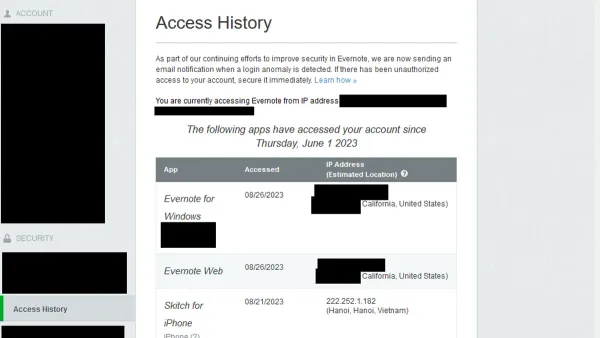
Regularly reviewing account activity and permissions helps detect unusual behavior early. Snapchat’s Settings > Login Verification > Login History can display recent login locations and devices. Users should revoke access for unknown devices promptly.
Educating oneself about phishing and social engineering techniques reduces susceptibility to scams. Recognizing signs like urgent password reset requests or unsolicited messages claiming to be Snapchat support can prevent giving away credentials.
Tip: After applying these security measures, many users report a noticeable decrease in suspicious login attempts and account breaches.
Common Snapchat issues that may seem like hacking
Snapchat users may sometimes mistake technical issues for a hacking incident, leading to unnecessary worry. Crashes or temporary outages can disrupt the app's normal functioning and mimic symptoms of an account breach. For instance, Snapchat occasionally experiences server outages that prevent logins or sending snaps, visible through reports on outage monitoring sites and official Snapchat status pages.
Common bugs causing account lockouts or glitches include synchronization errors, failed login attempts due to server timeouts, or corrupted cache data. These issues can lead to unexpected logouts or missing friends and messages without any unauthorized access occurring.
A concrete example is when a user tries to open Snapchat and encounters a message like "Could not connect to server." This might be due to a server-side problem rather than hacking. Restarting the device, clearing the app cache via Settings > Apps > Snapchat > Storage > Clear Cache, or reinstalling the app often resolves such problems safely.
Tip: Always check official Snapchat support channels or outage tracking websites before assuming an account has been hacked.
Mistakes to avoid when dealing with a hacked Snapchat account
Responding to phishing messages or fake support emails can worsen a hacked Snapchat account situation. Attackers often send convincing emails or messages pretending to be Snapchat Support, requesting passwords or recovery codes. For example, a user might receive a message claiming their account will be permanently deleted unless they provide a verification code. Sharing such sensitive information inadvertently grants hackers further access.
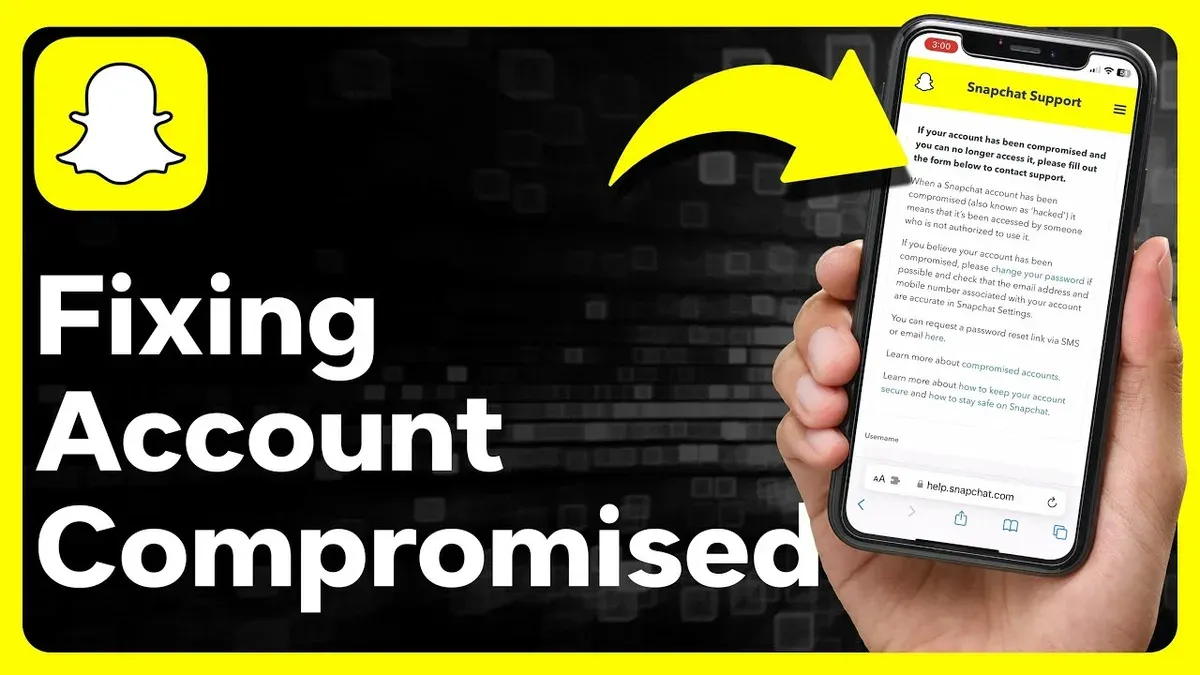
Another common error is sharing recovery codes or passwords with others. Recovery codes, found under Snapchat settings in the Two-Factor Authentication menu, are meant to be private backup keys. Giving these to anyone, even acquaintances claiming to help, can result in immediate account takeover.
Using unauthorized third-party recovery services poses significant risks. These services often require account credentials and may misuse or sell this data. Cybersecurity experts warn that these sites are frequently scams preying on desperate victims, leading to identity theft or permanent loss of account control.
Ignoring early signs of compromise or delaying action allows hackers to deepen control or exploit the account for scams. For instance, if unusual login alerts on Snapchat’s Login Verification settings are overlooked, hackers might lock out the legitimate user by changing passwords or linked phone numbers.
Tip: Immediately disconnect any suspicious devices via Snapchat’s Connected Devices section and change passwords using the official app or website.
Further reading
- How to Block Someone on Snapchat: Complete Steps for All Devices
- How Reddit Accounts Get Hacked and How to Protect Yourself
- Signal Account Hacked: How It Happens and What to Do Next
Frequently asked questions
How to recover hacked snapchat account?
To recover a hacked Snapchat account, use the “Forgot your password?” option on the login page and follow the prompts to reset the password via email or SMS. If access to the registered email or phone is lost, contact Snapchat Support directly with proof of account ownership. Additionally, review connected devices and revoke suspicious sessions in the app settings once access is regained.
What is wrong with snapchat?
Snapchat can experience issues such as login failures, message sending delays, or app crashes due to server outages, software bugs, or connectivity problems. Some users also report concerns about account security vulnerabilities tied to phishing or social engineering attacks. Regular app updates and cautious behavior help mitigate many common issues.
Why snapchat is bad?
Criticisms of Snapchat include concerns about privacy risks, as disappearing messages may encourage less cautious sharing, and the app’s design that can be confusing for new users. Snapchat also has faced scrutiny for limited parental controls and potential exposure to inappropriate content. However, these factors depend largely on user habits and settings.
What's wrong with snapchat?
Common problems with Snapchat include app crashes, notification delays, and glitches with filters or camera functionality. These issues often arise from outdated software versions, device compatibility, or temporary server-side problems. Restarting the app, updating to the latest version, or reinstalling can often resolve these faults.
Why is snapchat crashing?
Snapchat may crash due to insufficient device memory, corrupted app data, or conflicts with other installed applications. Running the latest operating system and Snapchat version reduces the chance of crashes. Clearing the app cache or reinstalling can also fix persistent stability problems.
What this advice does not cover and when to seek further help
This advice does not cover scenarios where Snapchat’s own systems are breached on a large scale, which are rare and handled separately by the company. Users experiencing widespread service disruptions or notifications from Snapchat about security incidents should follow official communications from Snapchat and avoid taking independent recovery steps that might complicate account status.
Accounts with highly sensitive information or those targeted by sophisticated attackers—such as public figures or individuals facing targeted harassment—should seek professional cybersecurity assistance. Specialized experts can provide tailored measures beyond standard recovery and security practices.
The single most useful next step after suspecting a compromised Snapchat account is to immediately use Snapchat’s official "Forgot Password" feature via the app or the web to reset the password, then enable Two-Factor Authentication found under Settings > Two-Factor Authentication. This combination restores account control and adds a critical layer of security against future unauthorized access.