How to Detect, Respond to, and Prevent an eBay Account Hack
This guide explains how to detect, respond to, and prevent an eBay account hacked by recognizing signs and securing your account quickly.

This guide explains how to detect, respond to, and prevent an eBay account hacked scenario, focusing on real-world attack methods and recovery steps. Recognizing the signs of unauthorized activity early can stop financial loss and protect buyer and seller reputations. Common indicators include unexpected password changes, unfamiliar devices logged into the account, and unexplained purchase or sale listings. eBay accounts often fall victim through phishing emails, reused passwords, or weak two-factor authentication settings. Understanding these vulnerabilities helps users act fast to regain control and secure their accounts against repeat attacks.
Can your eBay account be hacked?
eBay accounts are frequent targets for hackers due to the financial and personal information they hold. Common attack methods include phishing emails that mimic eBay notifications, credential stuffing using leaked username-password pairs from other breaches, malware that captures keystrokes or login tokens, and social engineering tactics that manipulate users into revealing sensitive data. Despite eBay’s multi-layered security features—such as two-factor authentication (2FA), device recognition, and login alerts—these protections rely heavily on user vigilance and can be circumvented if credentials are compromised elsewhere or if users fall for deceptive schemes.
eBay accounts remain attractive because they are linked to payment methods like PayPal or credit cards, contain shipping addresses, and store transaction histories. This data can be exploited for unauthorized purchases or identity theft. Cybersecurity reports regularly highlight credential stuffing as a major threat vector against e-commerce platforms, with attackers leveraging automated scripts to test billions of stolen credentials daily. For example, a user who reuses a password from a breached site on eBay risks having their account accessed silently by attackers.
Even with security measures, the human factor is often the weakest link. A single phishing email prompting a user to enter login details on a fake eBay page can bypass technical defenses. Therefore, while eBay continuously updates its security protocols, vulnerabilities persist where user behavior and external breaches intersect.
How do I know if my eBay account has been hacked?
Signs of a hacked eBay account often appear as unexpected changes to account information. This includes unauthorized modifications to the registered email address, shipping address, or password. For example, if the email linked to the account suddenly differs from the one originally used, it indicates someone else may control the login credentials.
eBay typically sends alerts about suspicious activity. These notifications might mention logins from new devices or unusual locations. An email titled “Suspicious Sign-in Detected” from eBay’s official address, alerting the user to a login from an unfamiliar IP address, is a concrete signal of compromise.
Another strong indicator is unexplained changes in sales performance. If listings disappear or sales drop sharply without any intentional action, it could mean a hacker removed or altered listings. Additionally, unexpected transaction histories or feedback activity—such as purchases or reviews not made by the account owner—are red flags.
For instance, a user might notice a sudden notification about a shipped item they never listed, or feedback from a buyer they don't recognize. Checking the "Purchase History" and "Selling" sections in the eBay account dashboard can reveal these anomalies. These patterns of irregular activity usually point to unauthorized access.
What happened to my eBay account if it’s blocked or restricted?
An eBay account block or restriction is not always the result of hacking. Often, eBay imposes these limits due to policy violations, unpaid fees, or suspicious selling activity that triggers their automated risk systems. For example, if an account has unresolved unpaid final value fees or payment holds, eBay may restrict buying or selling until the issue is resolved.
Unlike a hacked account, where unauthorized activity or changes occur without the user’s knowledge, an account block usually comes with an official message from eBay. This message appears under the “Messages” section of the account or as an email from eBay’s notifications. It will specify the reason, such as “Account restricted due to unpaid fees” or “Selling limits applied due to unusual activity.”
To clarify the cause, users should check the “Account Status” dashboard accessible via the “My eBay” menu. It provides details on holds, blocks, or restrictions. Contacting eBay customer service through the Help Center with the “Contact Us” link can confirm if the issue is related to policy enforcement or a potential security breach. For instance, if sales suddenly stop and the account shows a restriction message citing unpaid fees, this is a legitimate block rather than hacking.
How was my eBay account hacked?
Hackers commonly gain access to eBay accounts through targeted phishing attacks. These involve sending fake emails or creating counterfeit websites that closely mimic eBay’s login page, tricking users into entering their credentials. For example, a widespread scam sent emails claiming account suspension and linked to a phishing site that captured usernames and passwords. Once credentials are obtained, hackers can log in unrestricted.
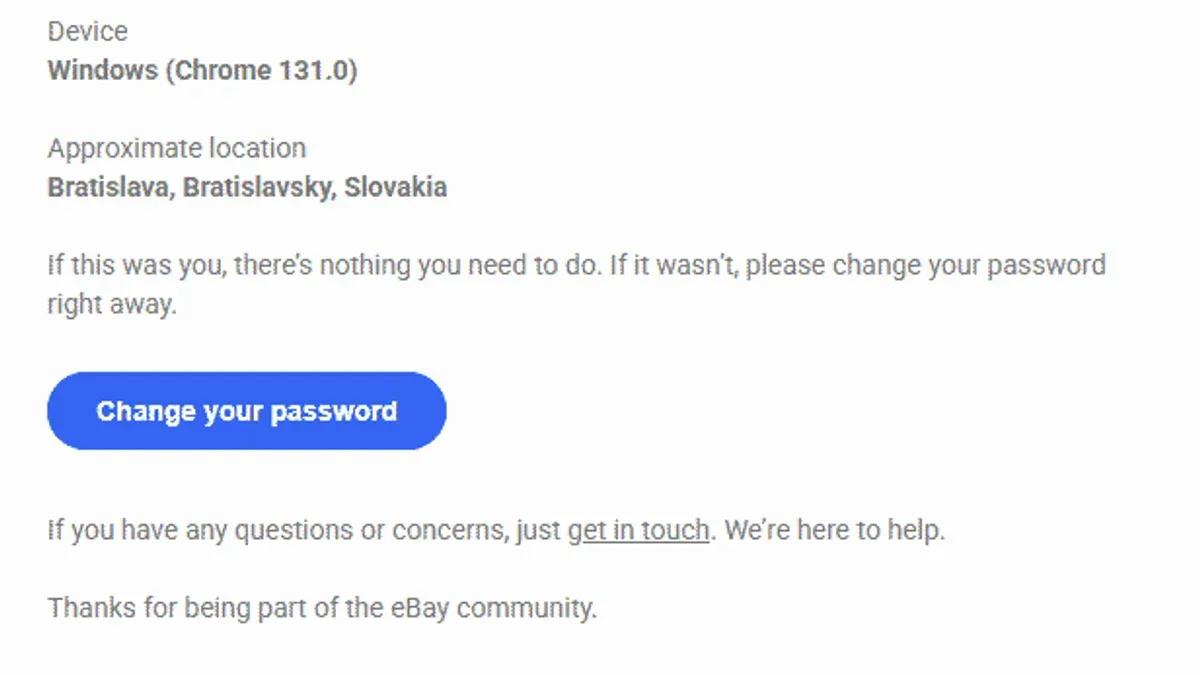
Credential stuffing is another frequent method, where attackers use usernames and passwords leaked from unrelated breaches to try on eBay accounts. Because many users reuse passwords across sites, this tactic is effective. Password reuse significantly increases vulnerability since leaked credentials from one service can compromise multiple accounts.
Weak or reused passwords invite brute-force attacks or simple guessing. Accounts without strong, unique passwords are at high risk. Additionally, social engineering plays a role—hackers may manipulate eBay’s customer support or use account recovery options by supplying partial personal data to reset passwords or change contact information.
In one notable scenario, a user clicked a phishing link claiming urgent account verification, unknowingly providing login details that allowed immediate unauthorized purchases. This shows how phishing combined with social engineering exploits both technology and human trust.
How to secure and recover a hacked eBay account
First, immediately change the eBay account password. Navigate to Account Settings > Personal Information > Password and Security. Enter the current password, then create a strong new password that’s unique to eBay. Next, enable two-factor authentication (2FA) under the same menu by selecting "Turn on" beside Two-step verification and following the prompts to use an authenticator app or SMS codes. This adds a critical security layer beyond just a password.
Review account details thoroughly. Check Personal Information, Payment Methods, and Shipping Addresses for unauthorized changes. Remove any unfamiliar payment cards or linked bank accounts. Monitor recent purchase and sale activity for suspicious transactions.
If access to the registered email or phone number was lost due to hacker changes, use eBay’s Account Recovery process. Go to the Sign-In page, select "Forgot password?", then "I no longer have access to this email or phone number." Follow the verification steps, which may include identity confirmation via government ID or linked credit card information. This process can take several days.
Contact eBay Customer Service immediately to report the hack. Use the Help & Contact section, then "Report a problem" > "Account compromised." Expect a response that guides through additional verification and steps to secure the account. For example, eBay might temporarily suspend buying or selling until verification completes.
Tip: After recovery, review eBay’s security recommendations and update security questions or notifications to detect future unauthorized activity early.
Why are my eBay sales so bad? Could hacking be a factor?
Declining eBay sales can result from various causes, but hacking is a potential, often overlooked factor. When hackers gain access to seller accounts, they may alter listings, remove items, or manipulate feedback ratings. For example, a seller might notice that active listings suddenly disappear or that negative feedback appears without clear cause, both of which can drive buyers away and suppress sales volume.
Besides hacking, sales drops may stem from market shifts, increased competition, poor listing quality, or changes in buyer demand. Differentiating these requires monitoring detailed sales metrics like views, watchers, and conversion rates in the Seller Hub’s Performance tab. Sudden, unexplained drops in these indicators, especially paired with unexpected account changes, suggest possible interference.
Consider a seller who had steady weekly sales before seeing a sharp decline coinciding with reports of unauthorized login alerts. Investigation revealed that a hacker had hidden key listings and left negative feedback, damaging the seller’s reputation. Restoring sales required regaining account control and correcting listing details.
Tip: Regularly review account activity logs and sales performance reports to detect unusual patterns early before sales are severely impacted.
How to prevent your eBay account from getting hacked again
Strong password management is the foundation of eBay account security. Use a unique password with at least 12 characters combining uppercase letters, lowercase letters, numbers, and symbols. Avoid reusing passwords used on other sites to prevent credential stuffing attacks. A password manager can help generate and store complex passwords safely.
Two-factor authentication (2FA) significantly reduces the risk of unauthorized access. Enabling 2FA via the eBay website is done in Account Settings under "Personal Information" > "Sign-in and Security" > "Two-step verification." With 2FA, even if a password is compromised, a second verification step—such as a code sent to a phone—blocks hackers. Accounts with 2FA enabled show a marked decrease in breach incidents compared to those without.
Phishing remains a common attack vector. Be vigilant when receiving emails claiming to be from eBay, especially those urging immediate action or containing links. For example, a phishing email might mimic eBay’s branding but use a suspicious URL like "ebay-secure-login.com." Always verify the sender’s email domain and access eBay only by typing the official URL directly into the browser.
Regularly review account activity by checking "Purchase History," "Selling," and "Account Settings" for unfamiliar changes or devices. Under "Account Settings" > "Site Preferences," users can monitor active sessions and revoke access to unknown devices. Setting a monthly reminder to audit permissions and recent activity helps detect early signs of compromise.
Tip: Combine a password manager with two-factor authentication to create a layered defense that drastically reduces hacking risk.
What to do if your eBay account was hacked and email changed
When a hacker changes the email linked to an eBay account, standard password reset options become ineffective because recovery emails no longer reach the rightful owner. This adds complexity to regaining control but does not make it impossible. The key is to use alternative verification methods provided by eBay support to prove account ownership.
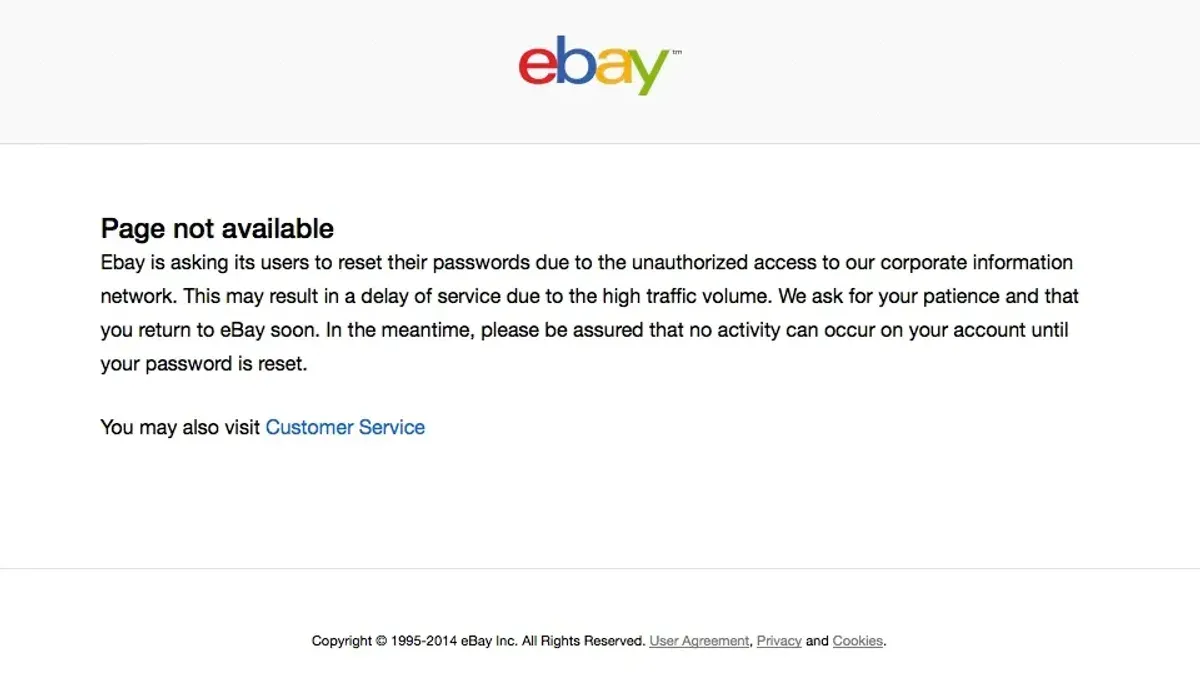
Contacting eBay customer service directly is essential. Be prepared to submit proof of identity and transaction history. Acceptable verification documents include a government-issued photo ID, recent PayPal or bank statements showing eBay transactions, and screenshots or emails of past purchases or sales. These documents confirm the user's identity and account activity without relying on the compromised email.
For instance, a user who lost access due to an email change successfully recovered their account by providing a driver’s license and three recent transaction records from their linked payment method. eBay support used this to verify ownership and reset the contact information securely. This approach worked because the user had maintained clear records of their eBay activity.
Tip: Secure the email account linked to eBay first by enabling two-factor authentication and monitoring for suspicious activity, preventing hackers from using email changes as a recovery barrier.
Frequently asked questions
Why is my ebay account blocked?
An eBay account may be blocked due to suspicious activity, violation of eBay policies, or payment issues. Common triggers include multiple failed login attempts, unresolved buyer or seller disputes, or detected unauthorized access. eBay often sends an email explaining the reason and steps to resolve the block.
What is wrong with ebay?
Issues with eBay can range from technical glitches and server outages to policy updates impacting user experience. Occasionally, users face problems like delayed notifications, search errors, or payment processing delays. Checking eBay’s status page or official communications helps confirm if the problem is widespread or account-specific.
Do ebay accounts get hacked?
Yes, eBay accounts do get hacked, typically through phishing scams, weak passwords, or reused credentials stolen from other breaches. Hackers target accounts to make unauthorized purchases, change account details, or access linked payment methods. Awareness and prompt response are critical to minimize damage.
How did my ebay account get hacked?
Common ways eBay accounts are hacked include phishing emails that mimic official messages, malware capturing login credentials, or password reuse from compromised sites. Social engineering tactics or data breaches elsewhere can also expose account information. Users often overlook securing associated email accounts, which hackers exploit to reset eBay passwords.
How to know if ebay account is hacked?
Signs of a hacked eBay account include unexpected password changes, unfamiliar login alerts, unauthorized purchases or sales, and missing funds. Checking recent activity logs under the account settings can reveal suspicious sessions or changes. Receiving eBay notifications about account changes that weren’t initiated is also a red flag.
What this advice does not cover and who should do something else
This guide focuses on practical detection, response, and prevention steps for typical eBay account hacks. It does not cover advanced forensic investigation, complex data breaches, or legal actions following a hack. Users facing serious financial losses, identity theft, or coordinated cyberattacks should seek help from cybersecurity professionals or legal counsel to address their specific situation.
The single most effective next step is to immediately secure the eBay account by changing the password through the "My eBay" > "Account settings" > "Personal Information" menu, then enable two-factor authentication via "Account" > "Security" > "Two-step verification." This combination blocks most unauthorized access attempts and provides a solid foundation for recovery and ongoing protection.
See also: How to Protect and Recover from an AliExpress Account Hacked · How to Spot, Prevent, and Recover from an Airbnb Account Hacked · How to Identify, Recover, and Secure a Hacked E*TRADE Account