How to Understand, Prevent, and Recover from a Tumblr Account Hacked
This guide explains how to understand, prevent, and recover from a Tumblr account hacked to keep your account safe and secure.

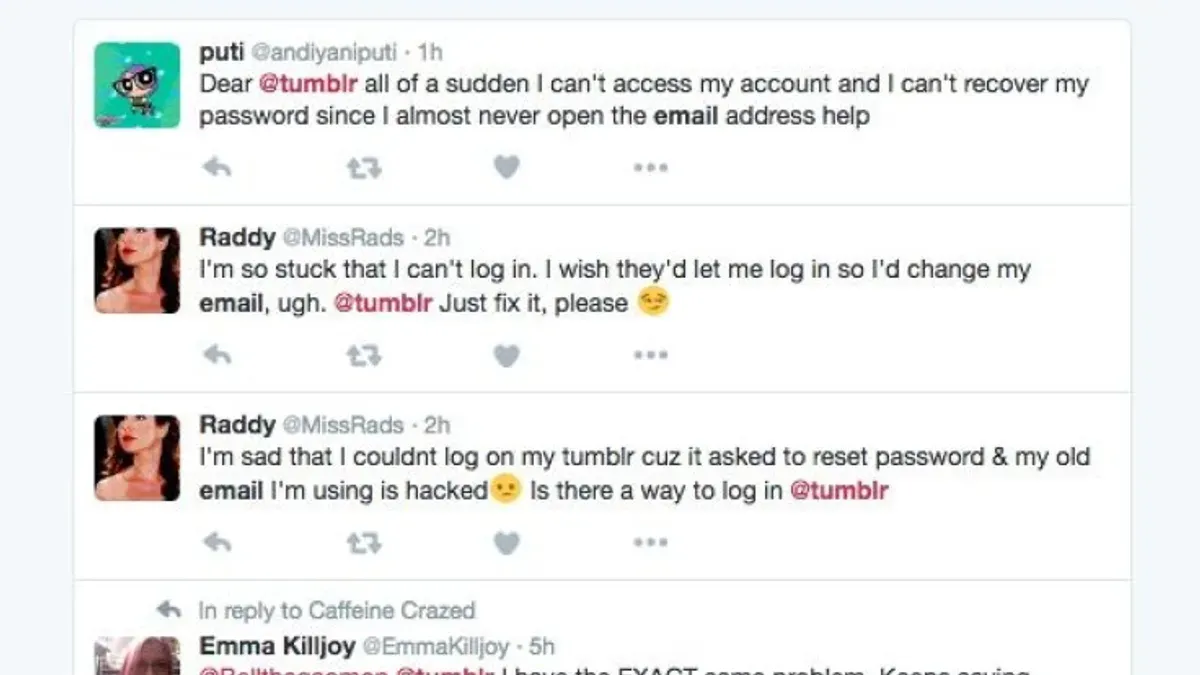
This article explains what it means when a Tumblr account hacked incident occurs, why these attacks happen, and how to recover and protect accounts effectively.
Tumblr users often face risks similar to those seen on Facebook and Instagram, where hackers exploit cross-platform vulnerabilities to access personal information, spread spam, or hijack accounts for malicious purposes. Understanding these shared hacking behaviors helps clarify why Tumblr accounts become targets and what preventive measures are most effective.
By examining common hacking methods such as phishing, credential stuffing, and malware, this guide provides clear steps to identify signs of compromise and outlines recovery processes. It also offers practical tips for strengthening account security to reduce future risks.
What it means when a Tumblr account is hacked
A Tumblr account is considered hacked when an unauthorized individual gains access and control over it without the owner's permission. This often involves bypassing security measures such as passwords or two-factor authentication. Once inside, the hacker can alter the account's settings, post content, send messages, or even lock the legitimate user out.
The consequences of such unauthorized access can be severe. Hackers may steal personal data, such as email addresses and linked social media profiles, or impersonate the user to damage their reputation or scam others. For example, a hacker might post offensive or misleading content under the victim’s name, causing confusion or harm to the user’s online presence.
In many cases, valuable content like original posts, photos, or blog archives may be deleted or lost, which can be especially distressing for users who rely on Tumblr for creative expression. The breach of privacy also extends beyond Tumblr if the account is connected to other platforms or if the hacker uses the information to attempt access elsewhere.
Reported incidents have shown varying levels of impact, from minor disruptions to complete loss of account control, highlighting the importance of recognizing the signs of hacking early and understanding its implications.
Why would someone hack a Tumblr account
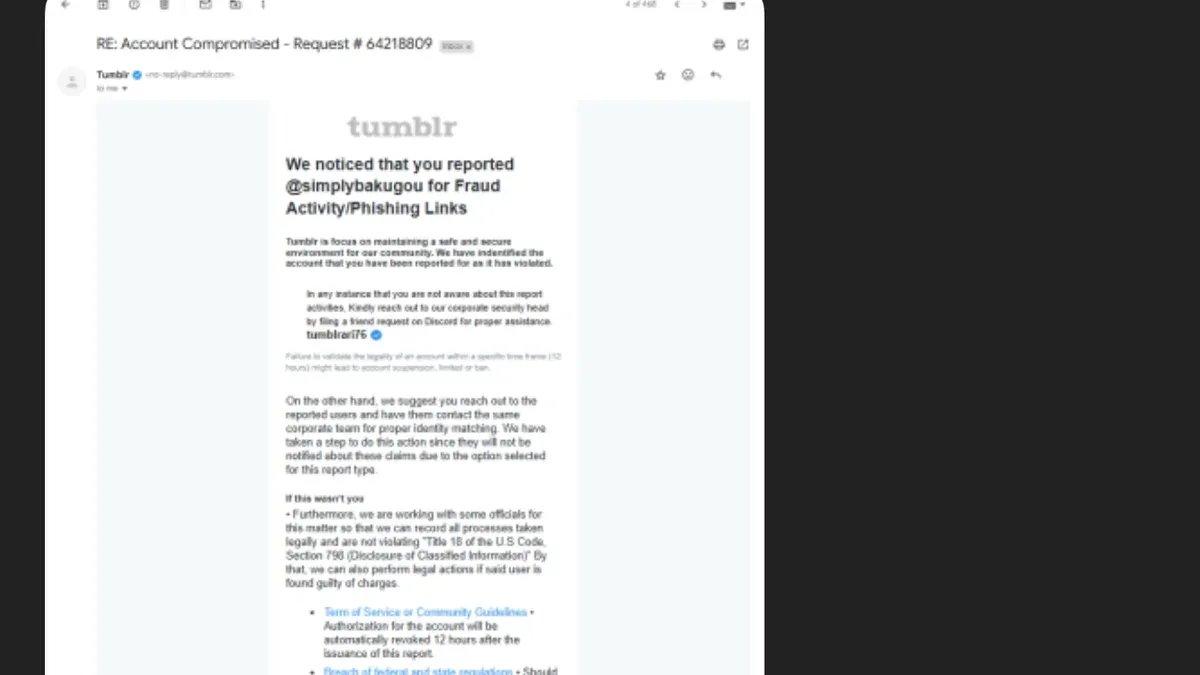
Hackers target Tumblr accounts for various reasons, many of which align with patterns observed in Facebook and Instagram hacks. Financial gain is a primary motivation, with compromised accounts often used to execute scams or sold on underground markets. For example, a hacker may hijack a Tumblr account with a large follower base to post fraudulent links, directing victims to phishing sites or malware downloads.
Spreading spam or malware is another common goal. Hijacked accounts serve as trusted sources to disseminate harmful content, increasing the likelihood of clicks and infections. Personal grudges or harassment also drive some attacks, where individuals aim to damage reputations or disrupt social connections.
Data harvesting is a significant concern, as stolen information from Tumblr profiles can feed identity theft or social engineering attacks. Since users often link their Tumblr accounts with Facebook and Instagram, hackers exploit cross-platform vulnerabilities to gain broader access. For instance, obtaining Tumblr login credentials might allow intruders to reset passwords on connected Facebook or Instagram accounts, escalating the impact.
Cybersecurity reports indicate that while financial motives dominate, harassment and data theft remain substantial drivers. Understanding these diverse motivations highlights the importance of securing Tumblr accounts within the broader social media ecosystem.
Common ways Tumblr accounts get hacked
Phishing attacks are a primary method hackers use to steal Tumblr login credentials. These often involve deceptive emails or messages that appear to come from Tumblr or trusted sources, prompting users to enter their details on fake login pages. For example, a user might receive an email claiming their account was suspended, directing them to a realistic-looking but fraudulent Tumblr login screen. Once credentials are entered, attackers gain access immediately.
Weak or reused passwords also leave Tumblr accounts vulnerable. Password cracking tools can successfully guess simple or commonly used passwords within minutes, especially when attackers use automated scripts. Reusing passwords from other compromised sites further increases risk, as hackers test those credentials across multiple platforms.
Compromised linked email accounts can serve as gateways to Tumblr accounts because password resets are typically sent via email. If an attacker controls the email, they can easily reset the Tumblr password and lock out the original user.
Malware and keyloggers installed on a user’s device can silently capture login details during typing, bypassing many security measures. These malicious programs often reach devices through unsafe downloads or infected attachments.
Social engineering tactics, such as impersonating tech support or a trusted contact, manipulate users into revealing sensitive information or granting access. These psychological tricks exploit trust rather than technical vulnerabilities.
What happens if a Tumblr account is hacked
When a Tumblr account is hacked, the immediate consequence is the loss of control and access, leaving the rightful owner unable to manage their posts or settings. The hacker can change the password, email address, and linked recovery options, effectively locking out the original user.
In many cases, hackers delete or alter existing posts and messages, erasing years of curated content or replacing it with spam and inappropriate material. This can cause significant reputational damage, especially if the account is used for professional or community purposes. Unauthorized posts may also spread malware links or misleading information to followers.
There is a heightened risk of further breaches on linked platforms like Facebook and Instagram, as hackers often exploit shared credentials or connected accounts to extend their access. This cross-platform vulnerability increases the overall threat to personal data and digital identity.
Case study: A Tumblr user’s account was hacked after their email was compromised. Within hours, the hacker posted offensive content and spam links, leading followers to report the account. The user lost access for several days and discovered that their connected Instagram account was also accessed. Recovery involved contacting Tumblr support and securing all linked accounts with new, unique passwords and two-factor authentication.
Tip: Regularly check account activity and connected apps to spot unauthorized access early and minimize damage.
How to check if a Tumblr account has been hacked
Detecting unauthorized access begins with monitoring Tumblr's built-in security alerts. Tumblr sends notifications for unusual activity, such as sign-ins from new devices or locations. Check the email linked to the Tumblr account for any unexpected password change confirmations or login alerts.
Review the account's recent posts and messages for any content not created or sent by the user. For example, a sudden post promoting unknown websites or messages with suspicious links can indicate compromise.
To inspect login history, open Tumblr's settings by clicking the user icon, selecting "Settings," then choosing the relevant blog. Scroll down to "Security" and look for "Login History" or "Recent Activity". This section lists recent sessions with device type, location, and timestamps. Any unfamiliar device or location should raise concern.
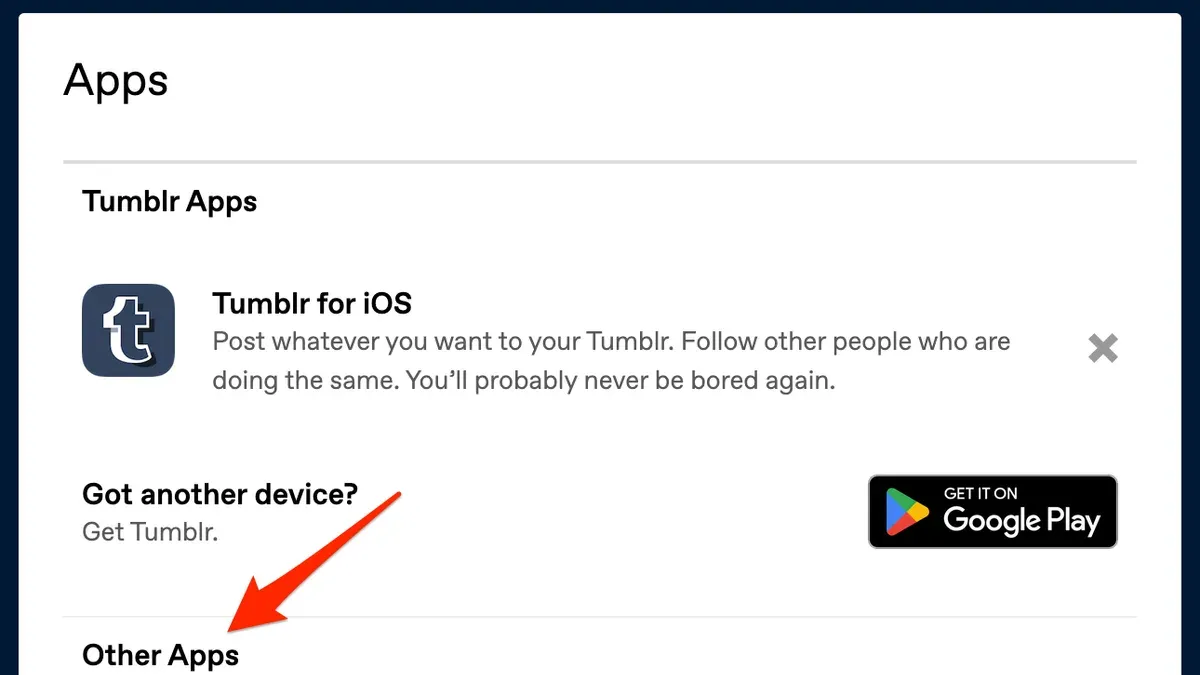
Additionally, examine connected third-party apps by navigating to "Settings" > "Apps". Revoke access to any app that is unrecognized or no longer in use, as compromised apps can be a backdoor for hackers.
For instance, if there is a login from a foreign country at an unusual time followed by a post with unfamiliar content, it strongly suggests the account has been breached. Immediate action should follow such findings.
Tip: Regularly review login history and connected apps to catch unauthorized access early.
Steps to recover a hacked Tumblr account
To regain control of a hacked Tumblr account, the first step is to initiate Tumblr’s official account recovery process by visiting the login page and selecting Forgot password?. Enter the email address or username associated with the account to receive a password reset link. If the linked email account is compromised, securing it first is critical by changing its password and enabling two-factor authentication (2FA) if not already active.
Once access is regained, immediately reset the Tumblr password to a strong, unique combination using the Account Settings > Password menu. Enabling 2FA on Tumblr via Settings > Security > Two-Factor Authentication adds an important additional layer of protection.
If locked out entirely, contacting Tumblr support through the Help Center > Contact Support form with proof of account ownership, such as previous billing information or linked social media accounts, can facilitate recovery. After access is restored, review the Account Settings, Connected Apps, and recent posts to identify and reverse unauthorized changes.
Example: A user who noticed suspicious posts followed the password reset link sent to their secure email, changed their Tumblr password, activated 2FA, and contacted support to verify no further unauthorized activity occurred. This approach successfully restored their account without data loss.
Tip: Avoid password reuse across platforms to reduce cross-site hacking risks often linked to Facebook and Instagram account compromises.
How to prevent Tumblr accounts from being hacked
Maintaining strong security on Tumblr begins with creating a robust, unique password that differs from those used on other sites. Password managers can help generate and store complex passwords, reducing the risk of reuse—a common vulnerability exploited across platforms like Facebook and Instagram.
Enabling two-factor authentication (2FA) on Tumblr adds a critical layer of protection by requiring a code from a separate device or app, such as Google Authenticator, each time a login is attempted. Accounts with 2FA enabled show significantly lower breach rates compared to those relying solely on passwords.
Avoiding suspicious links, especially those received via email or direct messages, prevents phishing attacks that often target Tumblr users by mimicking official communications. Carefully verifying URLs and sender information helps reduce falling victim to these scams.
Regularly reviewing account activity and connected third-party applications through Tumblr’s settings menu assists in spotting unauthorized access early. Disconnecting unfamiliar apps and changing passwords after suspicious activity can prevent further compromise.
Securing the email account linked to Tumblr is equally important, as it is often the gateway for password resets. Using strong email passwords and enabling 2FA on the email provider significantly lowers the risk of account takeover.
For example, a user who switched from a simple password to a randomly generated one, enabled 2FA, and routinely checked connected apps found that attempted unauthorized logins dropped markedly, illustrating the effectiveness of these combined measures.
Tip: After updating login credentials, log out of all devices via Tumblr’s security settings to ensure no unauthorized sessions remain active.
What happens when a Tumblr account is deleted and can it be recovered
Deleting a Tumblr account results in the permanent removal of all posts, messages, followers, and any associated content. According to Tumblr's official policy, once deletion is confirmed through the account settings under "Settings > Account > Delete Account," the process cannot be reversed after a short grace period. During this brief window, usually a few days, users may contact Tumblr Support to attempt recovery, but beyond that, the account and its data are irretrievable.
For example, if a user deletes their account after deciding to leave the platform, all their photos, blog posts, and interactions vanish from Tumblr servers, and followers lose access to the blog entirely. This deletion differs from temporary deactivation or logging out, as there is no way to restore the account or its content once fully deleted.
Linked accounts and data, such as those connected via Facebook or Instagram for cross-posting, are also disconnected, but those external accounts remain unaffected. Users should be aware that deleting a Tumblr account severs all platform ties, unlike simply changing passwords or disabling cross-posting, which preserve the account and content.
Tip: Before deleting, consider downloading a backup of blog content through Tumblr’s export feature found in "Settings > Account" to avoid permanent data loss.
Mistakes to avoid when dealing with a hacked Tumblr account
Ignoring early signs of unauthorized access can allow hackers to deepen control, making recovery more difficult. For example, a user who overlooked unusual login notifications and delayed action found their account permanently locked after repeated unauthorized changes.
Delaying password resets after suspicious activity significantly increases risk. Hackers often move quickly to change passwords and linked email credentials, so immediate password updates are crucial to prevent total loss.
Using the same password across Tumblr, Facebook, Instagram, or email accounts creates a domino effect. If one platform is compromised, attackers can access others, compounding damage and complicating recovery efforts.
Falling for phishing attacks during the recovery process is common. Attackers frequently send fake password reset emails or impersonate support teams, tricking users into revealing new credentials or personal information.
Not securing the email account linked to Tumblr or other connected social platforms undermines recovery attempts. Since password resets rely on email access, a compromised email account allows hackers to regain control even after initial recovery efforts.
Example: A Tumblr user recovered their password but did not change their linked Gmail password. The hacker used Gmail access to reset Tumblr credentials again, regaining control and causing repeated disruptions.
Further reading
- How to Identify, Report, and Recover a Hacked TikTok Account
- How to Recover and Protect a Hacked Snapchat Account
- How Reddit Accounts Get Hacked and How to Protect Yourself
- How to Identify, Respond to, and Recover from a LinkedIn Account Hacked
Frequently asked questions
How was my facebook account hacked?
Facebook accounts are often hacked through phishing scams, where users are tricked into entering login details on fake websites. Another common method involves using leaked passwords from other breaches or exploiting weak or reused passwords. Malware on devices or unsecured public Wi-Fi can also enable hackers to capture login information.
Why my account is hacked?
Accounts get hacked due to weak or reused passwords, falling victim to phishing attempts, or lacking two-factor authentication. Hackers target accounts with valuable personal information or to spread spam and scams. Sometimes, data breaches on other platforms expose credentials that criminals try across multiple sites.
What happens if facebook account hacked?
If a Facebook account is hacked, the intruder may post unauthorized content, access private messages, or impersonate the owner to scam friends. Personal information stored on the account can be stolen for identity theft. The hacker might also use the account to gain access to other connected apps and services.
Why would someone hack your facebook account?
Hackers often target Facebook accounts to steal personal information, spread malware or scams, or impersonate the user for fraudulent activities. Some do it for financial gain, while others may seek to access linked accounts or gather data for social engineering attacks. Accounts with many friends can be valuable for amplifying malicious messages.
Why do instagram accounts get hacked?
Instagram accounts are hacked due to weak passwords, phishing attempts, or unauthorized access via third-party apps. Attackers may aim to steal personal photos, spread spam, or exploit the account’s follower base for scams. Lack of two-factor authentication increases vulnerability to such attacks.
Limits of this advice and when to seek professional help
This article does not cover advanced forensic investigation for professional recovery services or legal actions in case of severe hacking incidents such as identity theft, targeted harassment, or large-scale data breaches. Users facing persistent unauthorized access despite following recovery and prevention steps should consider contacting Tumblr support directly and may need to engage cybersecurity professionals or legal authorities for comprehensive assistance.
The single most effective next step after suspecting a Tumblr account hack is to immediately change the password using Tumblr’s password reset feature, ensuring the new password is strong, unique, and not used on other platforms. Following this, enabling two-factor authentication wherever possible and reviewing connected apps can significantly reduce the risk of further compromise.