How to Recognize and Handle DHL Scam Texts Safely
Learn how to recognize DHL scam texts and protect yourself from phishing attempts with practical verification steps.

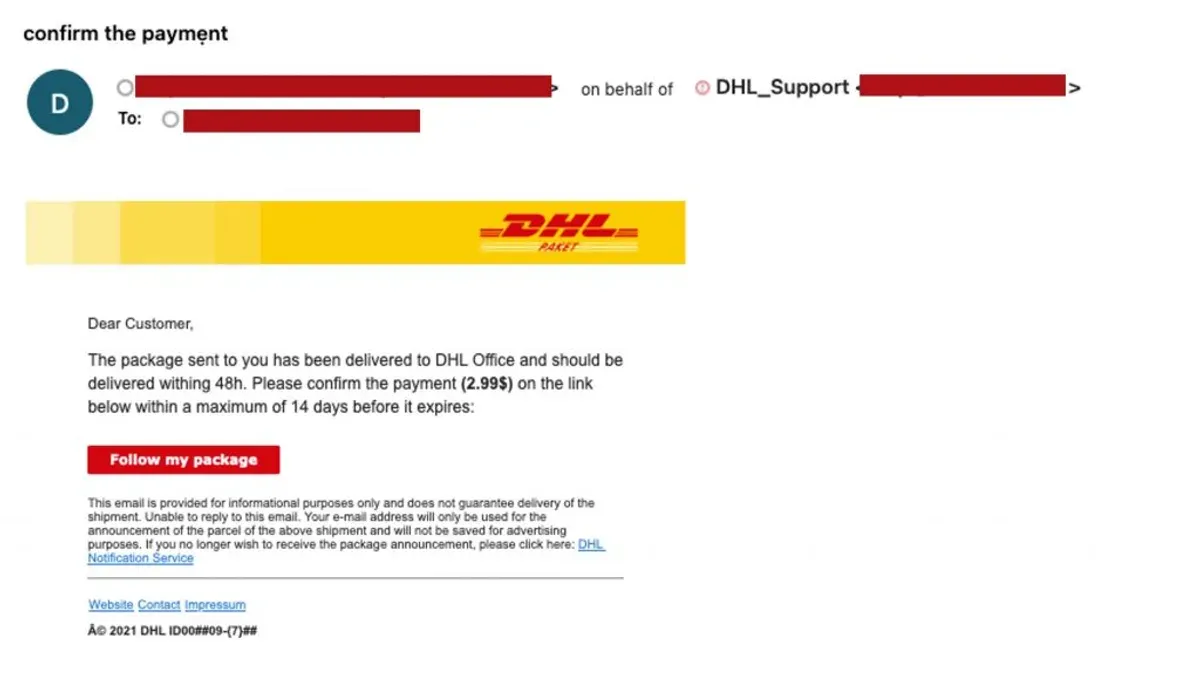
Receiving a suspicious message claiming to be from DHL can cause immediate concern. DHL scam texts aim to trick recipients into revealing personal details or clicking harmful links. This article details common traits of these scams, the psychology behind them, and how to verify any DHL text before responding.
Understanding the Common Characteristics of DHL Scam Texts
DHL scam texts often share identifiable features that help distinguish them from legitimate messages. Recognizing these signs is the first step to avoiding harm.
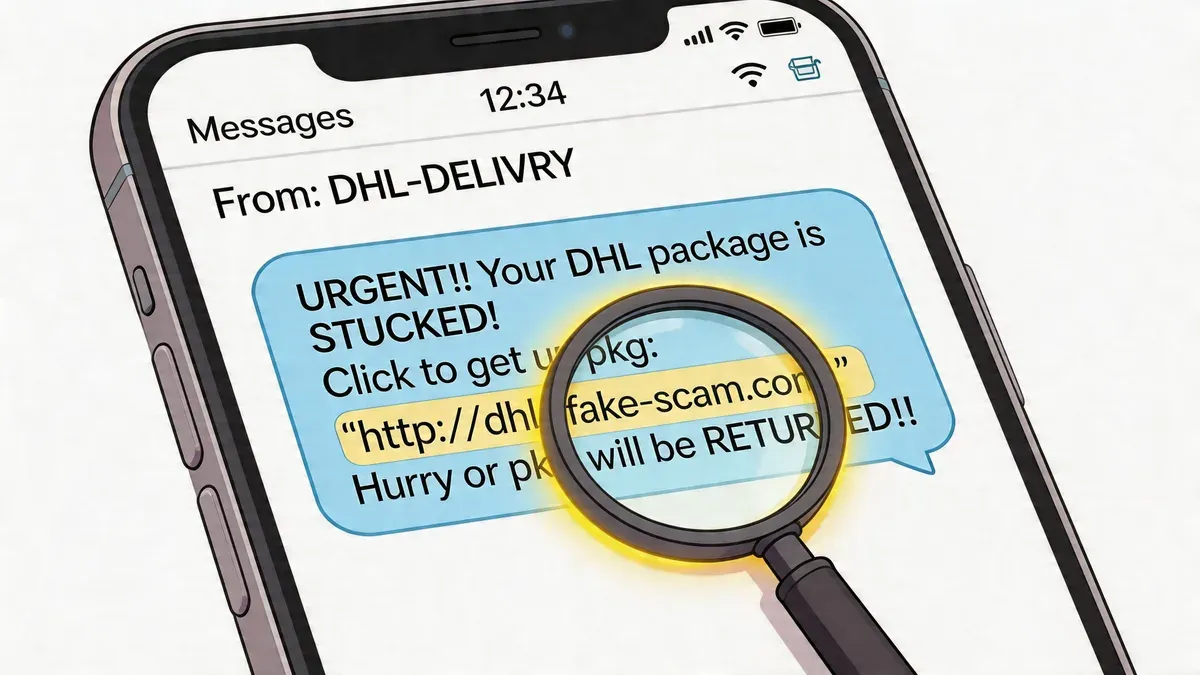
- Typical wording and urgent language: Scammers use phrases like "urgent delivery issue," "package on hold," or "immediate action required" to create urgency that pressures recipients to act quickly without verifying.
- Common formats: Many scam texts include fake tracking links redirecting to phishing websites or requests for personal and financial information disguised as shipment confirmation.
- Sender number spoofing: Scammers often manipulate the displayed sender number to resemble official DHL contact numbers, making the message appear authentic. Note that legitimate DHL SMS messages typically come from short codes or numbers registered to DHL; messages from random or international numbers should be treated with suspicion.
For example, a scam text might read: "DHL: Your parcel delivery failed. Confirm your address here: http://fake-link.com". Legitimate DHL messages rarely ask for personal information via SMS or direct you to unofficial websites.
Why Scammers Target DHL Customers: The Psychology Behind the Scam
DHL customers are targeted because many expect packages regularly, and delivery issues cause anxiety.
- Fear of missing a package or paying unexpected fees: Scammers exploit worries about lost items or surprise charges to prompt quick responses.
- Urgency and authority cues: Messages use authoritative language and deadlines to pressure recipients into decisions that bypass normal caution.
- Social engineering influences: Scammers leverage trust in established brands like DHL, creating believable scenarios to manipulate recipients.
Urgency and authority are known triggers that reduce critical thinking, which scammers exploit. Genuine DHL notifications typically provide clear sender identification, allow reasonable response time, and do not request sensitive data via SMS.
Step-by-Step Guide to Verify a DHL Text Message’s Authenticity
Before clicking links or sharing information, follow these steps to confirm if a DHL text is legitimate:
- Check the sender’s phone number: Compare it with DHL’s official contact numbers listed on their website. Suspicious numbers or generic short codes should raise concern. Note that scammers may spoof numbers, so this is not foolproof.
- Avoid clicking links in unsolicited texts: Instead, visit DHL’s official website by typing the URL yourself or use their official app to track shipments.
- Use DHL’s official tracking tools: Enter your tracking number on the DHL site to verify parcel status independently from the text.
- Contact DHL customer service directly: If unsure, call DHL’s verified customer service number to confirm any delivery issues.
For example, if you receive a text saying, "Your DHL package is held due to unpaid fees. Pay here: [link]," first check the sender number. Do not click the link. Instead, visit dhl.com, enter your tracking number, and call DHL directly if no issues appear. This process helps identify scams efficiently.
What to Do If You’ve Received or Clicked a DHL Scam Text
If you identify a DHL text as a scam or have clicked a suspicious link, take these immediate actions:
- Secure your information and devices: Change passwords for any potentially compromised accounts. Run antivirus or anti-malware scans on your device.
- Report the scam: Notify DHL through their official fraud reporting channels and report the incident to local consumer protection or cybercrime authorities.
- Monitor for identity theft or financial fraud: Regularly check bank statements, credit reports, and account activity for unusual transactions.
Prompt reporting improves the chance of blocking scammers and limits potential damage. Ignoring such incidents can prolong exposure to fraud risks.
Preventative Measures to Avoid Falling for Future DHL Scam Texts
To reduce the risk of falling victim to DHL or similar scams, adopt these practices:
- Enable spam filters and text blocking: Use your mobile device’s built-in features or trusted third-party apps to filter suspicious messages automatically. Be aware that some scam texts may still get through.
- Keep your contact information updated: Regularly verify your details with DHL and use their official communication channels for notifications.
- Educate friends and family: Share knowledge about these scams to help others recognize and avoid them.
Properly configured spam filtering tools can reduce scam message exposure but are not completely foolproof.
Important Caveats
This article focuses on scams involving DHL text messages. Scams via DHL emails or phone calls may have different signs and require other precautions. Always review guidance specific to each communication channel.
Frequently Asked Questions
How can I tell if a DHL text message is fake?
Look for urgent language, unfamiliar sender numbers, unexpected requests for personal data, and suspicious links. Cross-check any tracking details on DHL’s official website without clicking links in the text.
What should I do if I accidentally clicked a link in a DHL scam text?
Immediately disconnect from the internet, scan your device for malware, change passwords, and monitor your financial accounts. Report the incident to DHL and relevant authorities.
Does DHL ever send text messages asking for payment or personal information?
No. Legitimate DHL communications do not request payment or sensitive personal details via SMS. Any such request is a red flag.
How can I report a DHL scam text to the authorities?
Contact DHL’s fraud department through their official website and report to your local consumer protection agency or cybercrime unit. Reporting helps track scammers and protect others.