Brushing Scam Explained: What It Is and How to Protect Yourself
This article explains the brushing scam, how it works, and practical steps consumers can take to identify and prevent it.

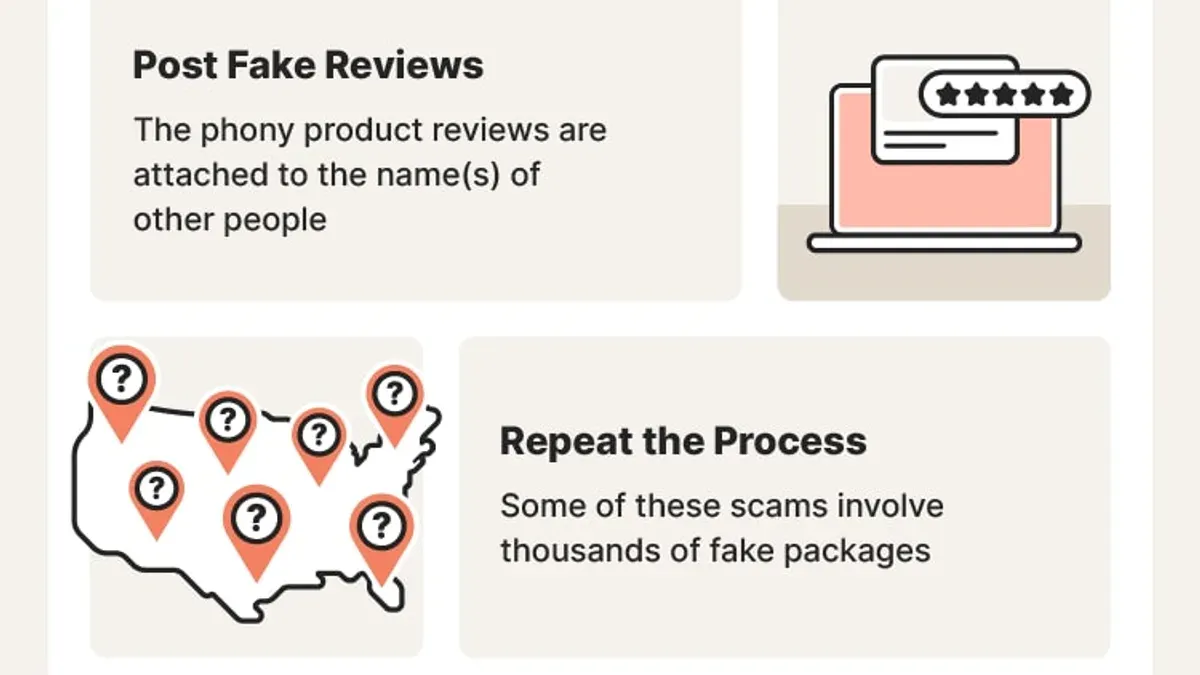
This article offers a clear and practical explanation of the brushing scam, outlining how it works and what consumers can do to recognize and prevent it.
A brushing scam involves sellers sending unsolicited packages to individuals, often with items they did not order. The purpose is to create fake positive reviews or boost sales metrics under false pretenses. Understanding this tactic helps online shoppers identify suspicious activity linked to their accounts and protect personal information.
The term "brushing scam" originates from the idea of "brushing" up product ratings through fabricated orders. This guide also clarifies common misconceptions, including the difference between brushing and unrelated terms such as "bearing." Consumers will find actionable advice on stopping and reporting these scams effectively.
What is a brushing scam
A brushing scam is a deceptive practice where sellers or third parties send unsolicited packages containing low-value or counterfeit items to consumers. These fake orders are created to falsely inflate sales numbers and improve product ratings on online marketplaces.
For example, a consumer might receive a small, inexpensive item like costume jewelry or a phone accessory without having placed an order. The seller benefits by boosting their storefront’s credibility, as these shipments count as verified purchases, which can lead to higher search rankings and increased sales from genuine customers.
Brushing scams negatively affect consumers by exposing them to potential privacy risks, as their personal information may be used without consent. Additionally, marketplaces suffer from distorted sales data and compromised trust among buyers.
Reported incidents of brushing scams have been noted across various e-commerce platforms, with some consumers sharing pictures of unexpected packages containing items they never ordered. These reports highlight how widespread the issue is and the challenges it poses for both shoppers and online retailers.
Why it is called a brushing scam
The term "brushing scam" derives from the idea of "brushing up" seller ratings, a phrase that suggests improving or polishing the apparent reputation of an online seller through artificial means. In e-commerce, this practice involves sending unsolicited packages to consumers to create fake orders, which then generate positive reviews and boost sales metrics.
Historically, the term emerged in reports highlighting deceptive marketing tactics where sellers sought to enhance their visibility by inflating their ratings. The word "brushing" metaphorically connects with marketing techniques that aim to "brush up" or enhance a product's appeal, much like brushing a surface to make it look cleaner or more attractive.
For example, a seller might send a small, inexpensive item to a random consumer who did not order it. This unsolicited shipment is recorded as a sale, and the seller can then post a glowing review from that account, improving their seller score and product ranking. This artificial boost can mislead potential buyers about the product’s popularity and reliability.
Common misunderstandings include confusing "brushing" with unrelated terms such as "bearing" or assuming it refers to a physical act of brushing. Expert commentary clarifies that "brushing" is strictly an e-commerce term related to fraudulent sales activity and does not involve any physical brushing.
How do brushing scams work
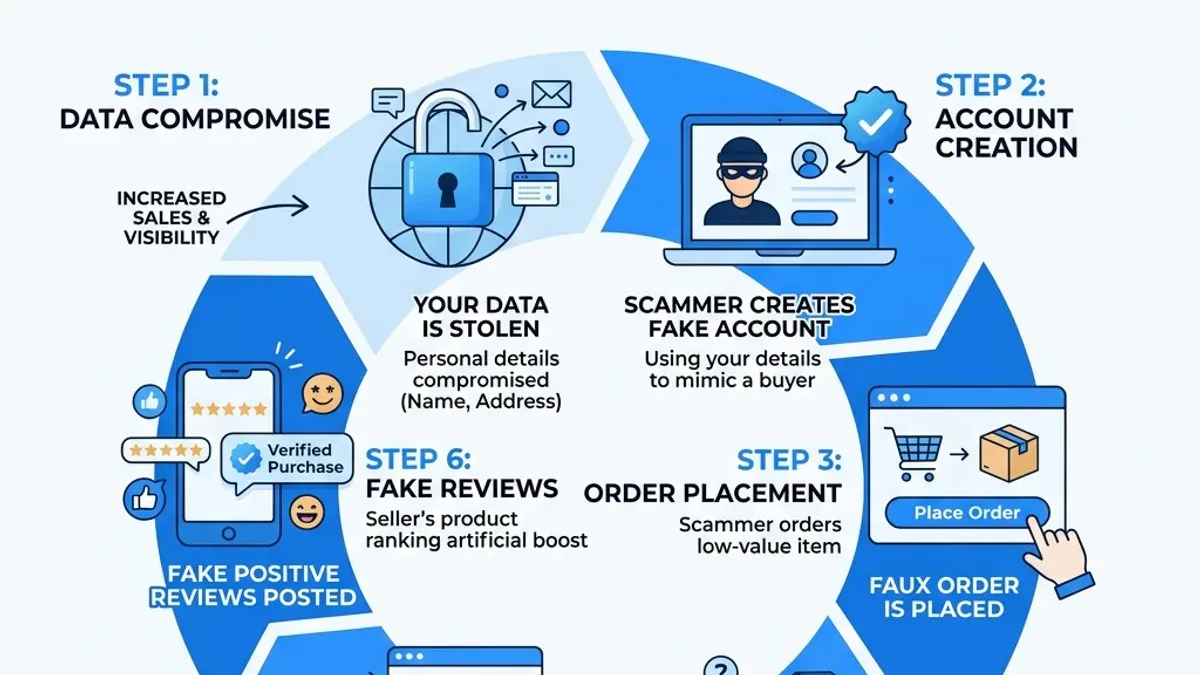
Brushing scams operate through a series of deliberate steps designed to create fake orders that enhance a seller's ratings and visibility. Criminal actors typically use stolen or fabricated customer accounts to place orders for inexpensive items, such as phone accessories or small household goods, from online marketplaces like Amazon or eBay.
For example, a scammer might access a list of compromised accounts and use them to order a low-cost item, such as a USB cable, from their own seller profile. The purchased item is shipped to a random address—often unrelated to the account holder—which is a key difference from genuine orders where buyers expect delivery.
Once the order is placed, the package is sent through standard shipping services like USPS or UPS. These shipments contribute to normal delivery traffic, sometimes straining logistics networks. The scammer receives the positive review or rating from the fabricated purchase, boosting the seller's credibility and potentially misleading genuine buyers.
Unlike authentic transactions, brushing scam orders rarely result in customer inquiries or returns because recipients are unaware of the purchases. This contrasts with legitimate buyers who track, receive, and use their orders.
Tip: Consumers receiving unexpected packages may be targets of brushing scams; such occurrences can indicate misuse of their information in fake transactions.
How to stop brushing scams
Recognizing early signs of brushing scams can help consumers avoid complications. Unexpected packages, especially those containing inexpensive or unfamiliar items, combined with unfamiliar account activity such as unknown orders or changes in account settings, signal potential brushing scam involvement. Regularly reviewing order history on platforms like Amazon or eBay enables users to spot suspicious purchases promptly.
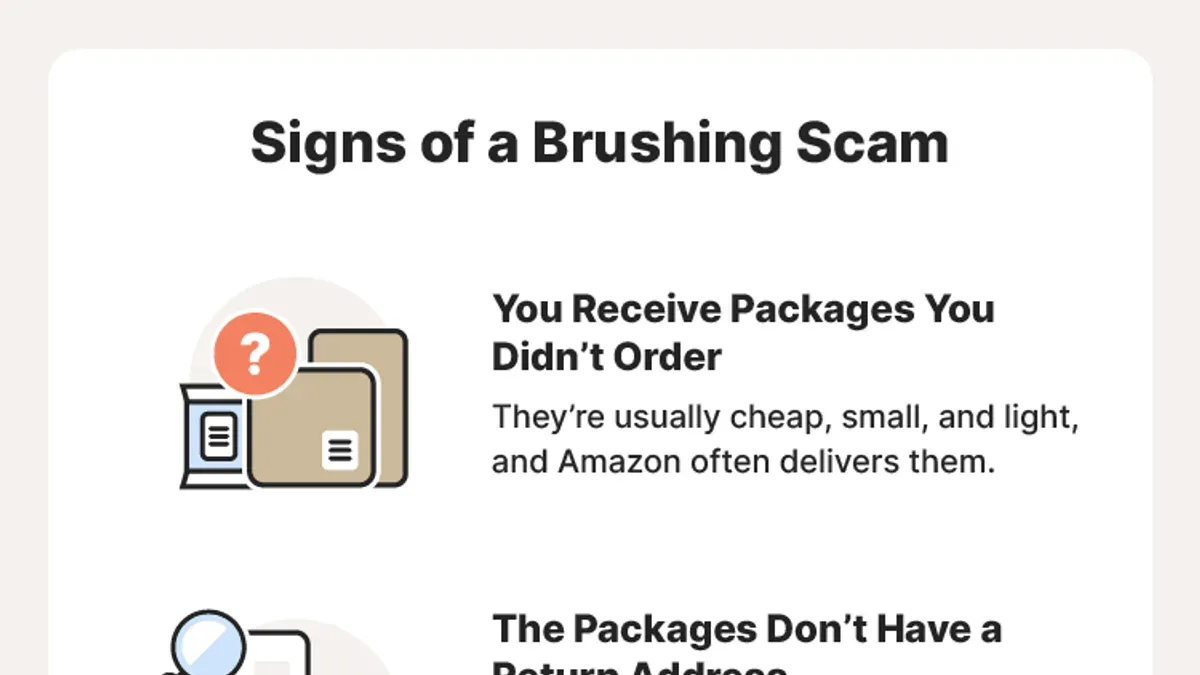
Securing online accounts is critical. Consumers should enable two-factor authentication (2FA), use strong, unique passwords, and update them periodically. For example, in Amazon’s account settings, navigating to “Login & security” allows users to activate 2FA and review recent login activity. Monitoring email notifications for unusual order confirmations also helps detect unauthorized transactions early.
Marketplaces play a vital role by implementing verification processes for new sellers and monitoring transaction patterns that deviate from typical behavior. Some platforms have increased scrutiny on shipments of low-cost items to multiple addresses from the same seller. Consumer vigilance complements these measures; reporting suspicious packages or orders promptly can trigger marketplace investigations.
A concrete example: a shopper unexpectedly receives a small, cheap accessory they did not order. By checking their account order history, they discover an unknown order placed days earlier. Acting quickly, they reset their password, enable 2FA, and notify the marketplace’s fraud prevention team, effectively reducing further unauthorized activity.
Tip: Regularly reviewing account activity and promptly updating security settings can significantly reduce the risk of falling victim to brushing scams.
How to report brushing scam
Consumers who receive unexpected packages or suspect involvement in a brushing scam should first report the issue to the marketplace where the order was placed. Most online platforms have dedicated reporting tools—on Amazon, for example, users can navigate to "Your Orders," select the suspicious order, and click "Report a Problem." Providing details such as order numbers, dates, and descriptions helps the platform investigate effectively.
In addition, notifying the shipping carrier is recommended if suspicious packages arrive. For instance, USPS offers a fraud reporting service accessible via their website or by calling 1-800-275-8777. UPS similarly provides fraud reporting options online at their official site or through customer service. Reporting to carriers can help track and prevent further misuse of shipping services.
Filing complaints with consumer protection agencies adds another layer of response. The Federal Trade Commission (FTC) accepts reports of brushing scams through their Complaint Assistant at https://reportfraud.ftc.gov. State-level consumer protection offices also handle such complaints and can offer additional guidance. When submitting complaints, including any order confirmations, tracking numbers, and communication records enhances the complaint’s effectiveness.
Example: A consumer notices an unrecognized package from an online marketplace. They report the order as suspicious via the marketplace’s order history page, notify USPS through the fraud hotline, and file a complaint with the FTC online. This coordinated approach helps trigger investigations across multiple agencies.
How to report brushing scam to Amazon
Amazon provides specific channels for consumers and sellers to report brushing scams, aiming to protect its marketplace integrity. Start by visiting the Help & Customer Service section on Amazon's website or app, then navigate to Report a Violation under the Amazon Seller Support or Customer Service menus.
When reporting, provide detailed information including the suspicious order number, seller’s name, product details, and any unusual shipping or payment information. Uploading screenshots of the order confirmation or delivery notification helps Amazon’s investigation team verify the complaint.
Amazon’s policies explicitly prohibit brushing scams and commit to investigating all credible reports. The platform may suspend or remove sellers found engaging in such fraudulent activity.
For example, a consumer received an unsolicited package from a seller they had never purchased from. By reporting the order number and seller information through Amazon’s Report a Violation tool, Amazon confirmed the seller’s account was involved in brushing and subsequently suspended the seller, preventing further fraudulent transactions.
Tip: Use Amazon’s Contact Us chat or phone support if the online reporting tool does not fully address urgent concerns.
Common confusions: Is brushing the same as bearing?
Brushing scams and the term "bearing" are unrelated concepts, though they can sometimes be confused due to similar-sounding words. "Bearing" typically refers to a mechanical component that allows constrained relative motion between parts, commonly found in engines, wheels, and machinery. For example, a ball bearing reduces friction between rotating parts, enabling smooth movement.
Some consumers searching for information about brushing scams mistakenly encounter content about "bearing" because of typographical errors or misheard terms. This confusion can lead to misunderstanding the nature of brushing scams, which involve fraudulent online orders, not mechanical devices.
Accurate terminology is essential for clear communication and effective problem-solving. While "brushing" in the scam context relates to deceptive e-commerce practices, "bearing" strictly denotes a physical part in engineering and mechanics. To distinguish them, one can recall that brushing scams involve fake product shipments and online seller ratings, whereas bearings concern physical machinery components.
Example: If someone searches for "brushing scam bearing," they might be mixing concerns about online fraud with unrelated mechanical parts, leading to irrelevant search results and confusion about how to protect themselves.
Brushing scams across platforms and regions
Brushing scams appear on multiple online marketplaces, including Amazon, eBay, and smaller platforms, with each exhibiting unique characteristics shaped by their user base and policies. Amazon often sees high volumes of brushed orders due to its vast seller network, while eBay's auction-style listings can complicate detection as fake purchases blend with genuine bidding activity.
In the United States and the United Kingdom, brushing scams exploit the large consumer markets and extensive shipping infrastructures. Both countries have seen cases where scammers use stolen accounts to place false orders, but regulatory responses differ. The UK’s Competition and Markets Authority has issued warnings and pursued enforcement actions, while U.S. agencies emphasize consumer education and cooperation with platforms.
Shipping carriers like USPS and UPS inadvertently play a role by delivering unsolicited packages linked to brushing scams. Their tracking systems can provide clues to consumers and investigators about suspicious shipments. For example, a consumer might receive a small, low-value item from an unknown seller shipped via USPS with a tracking number, indicating a possible brushing attempt.
Tip: Reviewing unfamiliar shipments’ tracking details and cross-referencing seller information on the marketplace can help flag potential brushing scams early.
Further reading
- Understanding Advance Fee Scams: How They Work and How to Avoid Them
- How to Check If an Online Store Is Legit: A Step-by-Step Guide
- How to Check If a Website Is Legit: A Step-by-Step Guide
- How to Check If an Email Sender Is Legit: Step-by-Step Guide
Frequently asked questions
What is brushing scam amazon?
A brushing scam on Amazon involves sellers sending unsolicited packages to random recipients to create fake orders. This artificially inflates the seller's ratings and review counts, making their products appear more popular and trustworthy than they are.
What are brushing scams?
Brushing scams are fraudulent activities where sellers generate fake orders by sending items to unsuspecting individuals. The goal is to boost product ratings and seller credibility through fabricated positive reviews and order histories.
Why is it called a brushing scam?
The term "brushing" refers to the practice of "brushing up" seller ratings by artificially increasing order numbers and reviews. It does not relate to cleaning or maintenance but metaphorically suggests enhancing or polishing ratings through deceptive means.
Why do they call it a brushing scam?
It is called a brushing scam because the sellers "brush up" their sales statistics by sending fake orders to random recipients. This boosts their visibility and trustworthiness on online marketplaces through manipulated sales data.
Is bushing same as bearing?
No, bushing and bearing are distinct mechanical components. A bushing is a type of plain bearing used to reduce friction between parts, typically a simple sleeve, whereas a bearing often includes rolling elements like balls or rollers to facilitate smooth motion.
Limits of this advice
This guidance focuses on consumer awareness and practical steps to identify and report brushing scams. It does not cover legal recourse options or detailed prevention strategies from the seller's perspective. Consumers facing financial loss or complex fraud cases should consider consulting legal professionals or consumer protection agencies for further assistance.
Understanding brushing scams is a crucial first step, but the most effective immediate action is to regularly review online order histories and account settings on shopping platforms. Promptly flagging unfamiliar transactions and reporting them to the platform’s support team can help mitigate risks and protect accounts from ongoing fraudulent activity.