Ticketmaster Data Breach Explained: Causes, Impact, and User Protections
This article explains the Ticketmaster data breach, its causes, impact, and how users can protect themselves and dispute unauthorized charges.

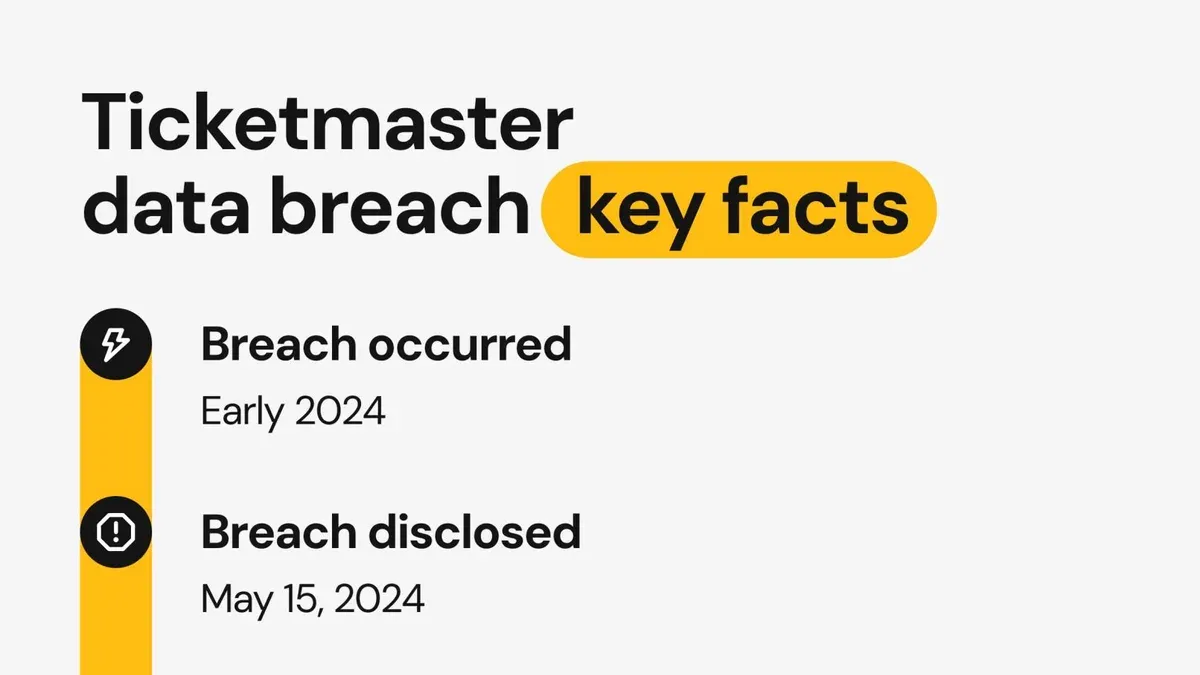
This article explains the Ticketmaster data breach, outlining its causes, consequences, and practical steps users can take to protect themselves and dispute unauthorized charges.
The Ticketmaster data breach involved unauthorized access to customer information through a third-party payment system. This breach exposed sensitive data such as names, addresses, emails, phone numbers, and payment details, raising concerns about identity theft and financial fraud among affected users.
Understanding how the breach occurred and the risks it poses is crucial for consumers who rely on Ticketmaster for event tickets. The article also covers potential penalties for such breaches and offers guidance on dispute processes and protective measures, while addressing the limitations of these options.
What the Ticketmaster data breach is and why it matters
A data breach at Ticketmaster refers to an incident where unauthorized parties accessed sensitive customer information through the company’s systems. Ticketmaster, a major platform for purchasing event tickets, processes millions of transactions, making it a significant target for cybercriminals. In this breach, personal details such as names, addresses, email addresses, phone numbers, and payment information including credit card details and billing addresses were compromised.
Reports indicate that hundreds of thousands of Ticketmaster users were affected globally. This scale is comparable to breaches in other large consumer-focused online services, where the exposure of payment information can lead to financial fraud and identity theft. For example, a user purchasing concert tickets might unknowingly have their credit card data stolen, which can then be used for unauthorized purchases elsewhere.
The breach matters because ticketing platforms like Ticketmaster hold a blend of personal identity and payment data, making them attractive targets. Unlike breaches in some industries, compromised ticketing data can result in both direct financial loss and increased risk of phishing attacks or scams targeting affected users. Understanding the nature of such breaches helps consumers recognize the risks and the importance of monitoring their accounts and payment methods after using online ticket services.
How did the Ticketmaster data breach happen
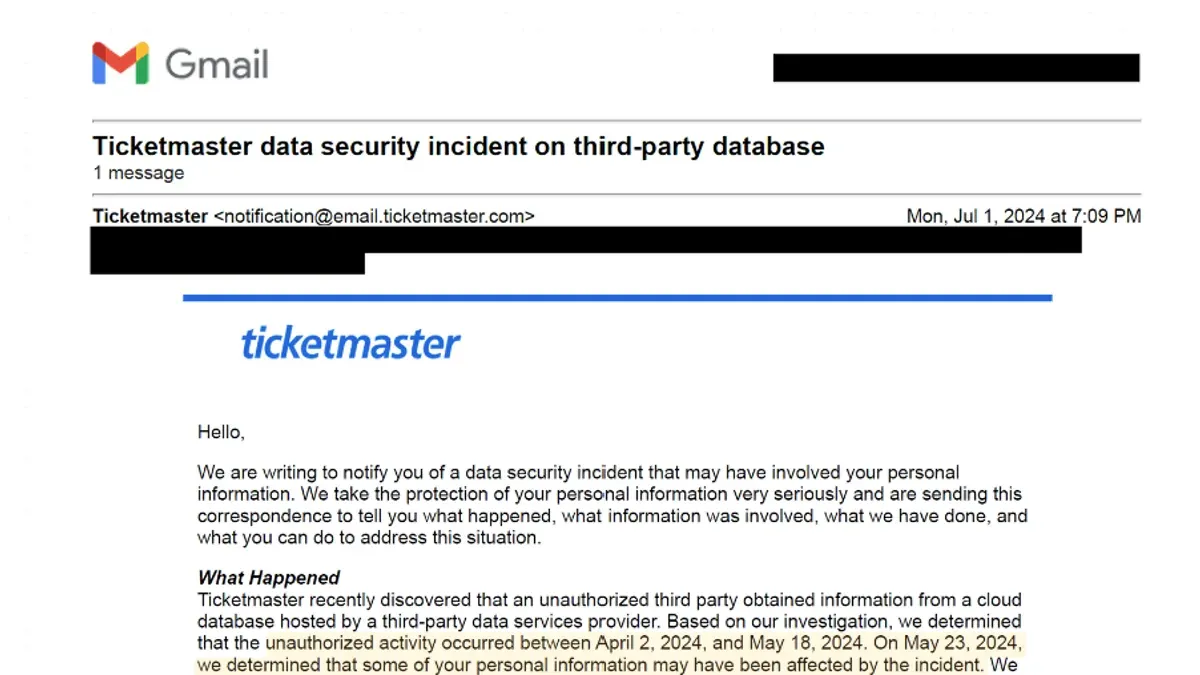
The Ticketmaster data breach originated from a vulnerability in a third-party chat software provider integrated into Ticketmaster’s website. This supplier’s compromised script was loaded onto Ticketmaster’s payment page, allowing attackers to intercept user data during transactions. The breach affected users who purchased tickets over several months before it was publicly disclosed.
The breach was discovered internally and disclosed months later, after reports from external security researchers highlighted unusual activity linked to the chat widget. Ticketmaster acknowledged the issue and began notifying affected customers. The delay between discovery and disclosure raised concerns about incident response and transparency.
Common security lapses contributing to the breach included insufficient vetting and monitoring of third-party software, inadequate segmentation of payment processing systems, and a lack of real-time anomaly detection. Attackers exploited these gaps to capture sensitive details like credit card numbers and personal information without triggering immediate alarms.
This kind of incident is not unique; other breaches have similarly involved third-party integrations. For instance, the British Airways 2018 breach also stemmed from vulnerabilities in third-party code on checkout pages. Such breaches illustrate the risks companies face when relying on external vendors whose security practices may not align.
Tip: Regular security audits and strict controls over third-party services can reduce the risk of similar breaches.
What is the penalty for data breaches like Ticketmaster’s
Data breaches such as Ticketmaster’s typically lead to significant legal and financial consequences under data protection laws like the General Data Protection Regulation (GDPR) in Europe and the California Consumer Privacy Act (CCPA) in the United States. Organizations found responsible may face regulatory fines, mandatory audits, and compensation payouts to affected users.
Ticketmaster settled several class action lawsuits related to its breach, agreeing to pay millions in damages and cover costs for affected customers, including credit monitoring services. Although exact settlement figures vary by case, these amounts often reach into the low millions. Additionally, regulatory bodies can impose fines that scale with the severity of the breach and the company’s negligence. For example, under GDPR, fines can reach up to 4% of a company’s annual global turnover, depending on the breach’s impact and response.
Beyond direct financial costs, companies face reputational damage that can affect user trust and future revenue. Penalties are designed not just to punish but to incentivize stronger security practices and more transparent data handling. A concrete example is the British Airways breach fine of £20 million under GDPR, which underscored the consequences of inadequate cybersecurity measures.
Tip: Monitoring official announcements on settlements or fines helps users stay informed about the evolving regulatory landscape around data breaches.
Can you get scammed on Ticketmaster and why is Ticketmaster so bad
Scams targeting Ticketmaster users often involve phishing attempts and fake ticket sales. Fraudsters may send emails or texts mimicking Ticketmaster communications to steal login credentials or payment details. Fake tickets are frequently sold on secondary markets, leading buyers to lose money when the tickets turn out invalid.
Ticketmaster’s platform has also faced criticism for vulnerabilities that impact user experience and trust. Users report issues with complex fee structures, lack of transparency on final pricing, and difficulties in resolving disputes. These factors contribute to widespread dissatisfaction, as seen in numerous consumer complaint forums and reviews.
Breaches like the recent data incident intensify these concerns by undermining confidence in Ticketmaster’s ability to safeguard personal information. For example, a user might receive a phishing email that appears to confirm a ticket purchase but is actually designed to harvest sensitive data, exploiting the breach-related fears.
While Ticketmaster strives to improve security and customer service, its reputation suffers due to these recurring problems, making users wary of scams and wary of hidden fees or unclear policies.
Tip: Always verify ticket purchases through official Ticketmaster channels and be cautious of unsolicited communications requesting personal information.
Can you dispute a Ticketmaster charge and how to protect yourself after a breach
Consumers who notice unauthorized charges on their Ticketmaster accounts should first review their purchase history by logging into Ticketmaster and navigating to My Account > Orders. Any unfamiliar transactions may indicate fraud. To dispute a charge, users can contact Ticketmaster’s customer service through their help center, providing order details and a clear statement of the issue.
If Ticketmaster’s response is insufficient, the next step is to contact the bank or credit card provider used for the transaction. Most major payment providers offer fraud protection and can initiate a chargeback process. For example, a user who spotted a $150 charge they did not authorize contacted their card issuer, who then reversed the charge after verifying the claim.
Tip: Keep all communication records and document dates when disputing charges to support your case.
After a breach, securing the Ticketmaster account is essential. Change the account password using a strong, unique combination via Account Settings > Password & Security. Enable two-factor authentication if available, and monitor bank and card statements regularly for new suspicious activity.
Using payment methods with robust fraud protection, such as credit cards with zero-liability policies or virtual card numbers, can limit potential losses. Digital wallets like Apple Pay or Google Pay add an extra layer of security by masking card details during transactions.
While disputing charges can often lead to successful refunds, some delays or denials may occur. Maintaining vigilance and promptly acting on suspicious activity remain the best defenses in the aftermath of a data breach.
Further reading
- T-Mobile Data Breach Explained: What It Means and How to Navigate Settlements
- MOVEit Data Breach Explained: Causes, Impact, and Response
- Understanding the LinkedIn Data Breach: Causes, Impact, and Protection
- Equifax Data Breach Explained: Causes, Impact, and Settlement Facts
Frequently asked questions
What is wrong with ticketmaster?
Ticketmaster has faced criticism for issues like high service fees, limited ticket availability leading to scalping, and concerns over user privacy following data breaches. Users often report frustration with the platform's purchasing process and customer service responsiveness.
What's wrong with ticketmaster?
Common complaints about Ticketmaster include opaque fee structures, difficulties in obtaining tickets for popular events, and vulnerabilities in security measures that have resulted in data breaches. These factors contribute to a perception of the platform as costly and sometimes unreliable.
What is wrong with Ticketmaster as a platform?
As a platform, Ticketmaster has been criticized for its complex user interface that can complicate ticket purchasing. Additionally, its reliance on third-party vendors and integrations has sometimes exposed it to security risks, impacting user data protection.
What’s wrong with Ticketmaster’s security practices?
Ticketmaster’s security practices have come under scrutiny after breaches caused by third-party software vulnerabilities. The company has been faulted for delayed detection and notification of breaches, which increased exposure to potential fraud and identity theft for users.
What is a Ticketmaster data breach class action lawsuit?
A Ticketmaster data breach class action lawsuit is a legal case where affected users collectively seek compensation for damages caused by the breach. It alleges that Ticketmaster failed to adequately protect personal data, leading to unauthorized access and potential misuse of sensitive information.
Limits of this advice and when to seek professional help
This article does not provide legal advice and readers should consult a qualified attorney for personal legal concerns related to the breach. Technical explanations are simplified for clarity and may omit complex security details. Dispute success depends on individual circumstances and payment provider policies, which vary.
When dealing with suspicious charges or potential identity theft, contacting your bank or card issuer promptly is essential, as they have established procedures and protections. For persistent or complex issues, professional legal or cybersecurity assistance is recommended.
Tip: Keep detailed records of all communications and transactions related to the breach or disputed charges, as this can support any claims or investigations.
The most practical next step is to review bank and credit card statements carefully and set up fraud alerts or credit monitoring if available. Monitoring accounts regularly can provide early warning of unauthorized activity and help minimize potential damage.