How to Recover and Secure a Hacked Klarna Account
Discover how to regain control of your hacked Klarna account with official recovery methods and secure it against future attacks.

Immediate access to the Klarna account is often blocked because attackers may change login credentials, including email and phone number. Klarna’s login process requires both the account email and one-time codes sent to that email, making it critical to secure the associated email account first.
If the email account is compromised, unauthorized users gain full control, enabling purchases that can generate payment plans billed over months if not disputed promptly. Klarna’s official recovery process supports verifying ownership even when attackers alter key account details by using original signup information, prior passwords, connected devices, or government ID checks.
After regaining account control, it is vital to sign out all other sessions, remove unfamiliar linked apps, verify recovery contacts, and enable two-factor authentication through the Security Settings menu.
Settings, menu paths and limits here were checked against PersProtect, Klarna Documentation in November 2026.
How do I access my Klarna account if I can't log in after hacking?
When login credentials have been changed by an attacker, repeated password reset attempts will fail. This is because password resets rely on access to the registered email or phone number, which the attacker controls after modification. Instead, Klarna provides an official recovery process designed to verify account ownership through multiple methods beyond password resets.
This recovery flow can confirm identity using original signup details, previously used passwords, linked devices, or government ID and selfie verification. These options allow regaining control even when email, phone number, and password are no longer accessible.
For example, if an attacker changes the email and phone number on the Klarna account, trying to reset the password will send the reset link or code to the attacker’s contact points. The correct procedure is to initiate Klarna’s dedicated account recovery, providing any original account information and ID verification requested. This confirms ownership without relying on compromised contact methods.
Completing the official recovery process fully is essential. Accounts regained through this method retain all transaction history and prior settings.
Tip: Do not use the standard password reset if email or phone was changed; use Klarna’s recovery flow that accepts alternative identity proofs.
Klarna’s official recovery flow offers the only reliable path to regain locked-out accounts after hacking.
How to get a Klarna account back if it has been hacked but login still works?
If a Klarna account can still be accessed after suspected hacking, immediate action is critical to stop further unauthorized activity. Start by changing the password to a unique, long one that has not been used elsewhere. This prevents attackers from exploiting reused passwords.
Next, navigate to Account Settings → Security Settings on the Klarna website or app. Use the option to sign out all other sessions and devices. This forces any active sessions the attacker might have to close, cutting off ongoing access.
Verify the recovery email and phone number associated with the account. Attackers often alter these to lock out the rightful owner or intercept security codes. Update these details if they appear unfamiliar or incorrect.
Check for any linked applications or API access that the user does not recognize. Remove any suspicious connections immediately to block hidden backdoors. Attackers sometimes use linked apps to maintain control even after passwords change.
Finally, enable two-factor authentication (2FA) via Account Settings → Security Settings. This adds a critical layer of defense by requiring a second verification step at login, stopping attackers who only have the password.
Example: If someone logs in and finds unusual purchases but can still access the account, they should first change their password. Then, signing out all other sessions ensures the attacker is kicked out immediately. Checking recovery contact details stops the attacker from regaining access, and enabling 2FA prevents future breaches without the second factor.
Full security steps for regaining a hacked Klarna account.
Why does Klarna ask for bank login during verification?
Klarna requests bank login credentials during certain verification steps to confirm the account owner's identity and prevent fraud. This request is typically part of the multi-factor verification process employed when recovering an account or processing high-risk transactions. By verifying bank details, Klarna can validate that the person accessing the account matches financial information originally connected to it, adding a layer of security beyond email and password checks.
For example, during account recovery, if an attacker has already changed the registered email, phone number, or password, Klarna’s official recovery flow uses multiple methods to verify ownership. These include original signup details, previous passwords, linked devices, government-issued ID, selfie checks, and bank login verification. Asking for bank login information ensures that only the rightful owner can complete the recovery, minimizing the chance of unauthorized access.
This prevents phishing attempts that mimic Klarna’s interface but steal credentials. Verifying the URL and using official apps reduce the risk of exposing bank login details to attackers.
Tip: If prompted for bank login, confirm it is part of Klarna's standard recovery or verification process and not an unsolicited request received elsewhere.
These identity checks form a comprehensive defense, ensuring that even if attackers manipulate the account’s primary login details, the underlying financial authentication remains a strong barrier to takeover. This multi-layered approach supports Klarna’s commitment to secure user accounts against evolving threats.[official recovery flow]
Why is Klarna unavailable or experiencing login issues?
These interruptions affect access regardless of user credentials and typically resolve once the maintenance window ends or the service restores. Users encountering login problems during these times should verify Klarna’s official status updates for any announcements on outages or maintenance schedules.
Poor internet connections can prevent successful verification of the one-time codes Klarna sends to the registered email. Likewise, using an outdated app version may introduce compatibility issues affecting login functionality.
Cached data can become corrupted, causing the app to malfunction during login attempts. Removing this cache forces the app to reload fresh data from Klarna’s servers, often fixing unexpected errors. Users should navigate to device settings, locate Klarna under apps, and clear its cache without uninstalling the app.
This scenario often results from communication breakdowns between the app and Klarna’s servers or invalid cached data. Addressing network issues, updating the app, or clearing cache remedies these faults without compromising account security.
Tip: Always confirm the email account used for Klarna login is secure since one-time codes are sent there; login issues can sometimes stem from email problems rather than Klarna itself.
How to dispute unauthorized purchases after a Klarna account hack?
Unauthorized purchases on a compromised Klarna account can lead to payment plans charging the victim over several months if not challenged swiftly. Reporting these purchases to Klarna and the related bank or card issuer immediately is critical to limit financial liability. U.S. consumer protections reduce liability for electronic fraud only when the affected party acts promptly.
Once a dispute is initiated, Klarna requires merchants to respond within 7 calendar days using the Disputes App or API. Merchants must provide evidence defending the transaction to avoid automatic chargebacks. They may receive up to five follow-up requests, each with a 7-day deadline, emphasizing the need for timely and complete responses.
Dispute fees are charged to merchants at EUR 15 per case. If a merchant’s dispute escalation rate exceeds 1.5% for three consecutive months, the fee doubles to EUR 30 per dispute. This fee structure encourages merchants to resolve disputes efficiently and fairly.
For example, after detecting an unauthorized purchase, promptly file a dispute with Klarna and notify the bank. Then monitor the Disputes App for requests and respond with detailed evidence within each 7-day window. After resolution, check the account regularly for follow-ups or new charges, as some disputed payment plans might be reversible if caught early.
What common mistakes worsen Klarna account hacking situations?
Failing to secure the linked email account first is a critical error. Klarna sends one-time login codes to the registered email, so whoever controls that email controls access to Klarna. If attackers maintain control of the email, efforts to secure the Klarna account itself become futile.
Reusing passwords from other breached sites invites credential stuffing attacks. Nearly one-third of Klarna account takeovers occur this way. Attackers try leaked passwords from unrelated breaches on Klarna accounts, gaining access when users recycle passwords.
Clicking links in suspicious 'new login' alerts is another major pitfall. Phishing campaigns send fake Klarna login notifications with malicious links. Following these links leads to credential theft. Always verify login alerts by opening the Klarna app or typing the official URL directly into the browser.
Delaying the report of unauthorized transactions increases financial risk. Consumer protections limit liability largely based on how quickly fraud is reported to Klarna and banks. Prompt reporting helps contain losses and triggers faster merchant dispute responses.
For example, if an attacker gains access via reused credentials and the user clicks a phishing link in a fake alert, the attacker can escalate control and make unauthorized purchases. If the user then waits days to report, financial liability rises and recovery becomes more complex.
Tip: Prioritize securing the email account with a strong, unique password and two-factor authentication before other steps.
How to create and check a Klarna account safely?
Setting up a Klarna account requires a valid email address and accurate personal information for identity verification. The email acts as the main login credential, receiving one-time codes for access, so securing it is paramount. Use a unique, strong password for the Klarna account that differs from other accounts to prevent credential reuse risks.
2FA adds a vital extra layer of protection, blocking unauthorized access even if the password is compromised. Regularly review connected devices and active sessions in the same menu to identify unknown or suspicious logins and sign out of them promptly.
Employ a reputable third-party breach scanner to verify if the registered email or password has appeared in known data breaches. This early warning enables timely password changes and prevents attackers from leveraging exposed credentials.
For example, a new Klarna user creates an account with a unique email and password, then enables 2FA. Weekly, the user inspects Account Settings → Security Settings for unauthorized sessions and runs a breach scan on their email. Detecting a breach alert prompts immediate password updates and a re-check of security settings.
Tip: Ensure the email account itself has strong security controls and 2FA enabled, as it is the gateway to Klarna login codes.
How does Klarna impact credit and why is Klarna stock down?
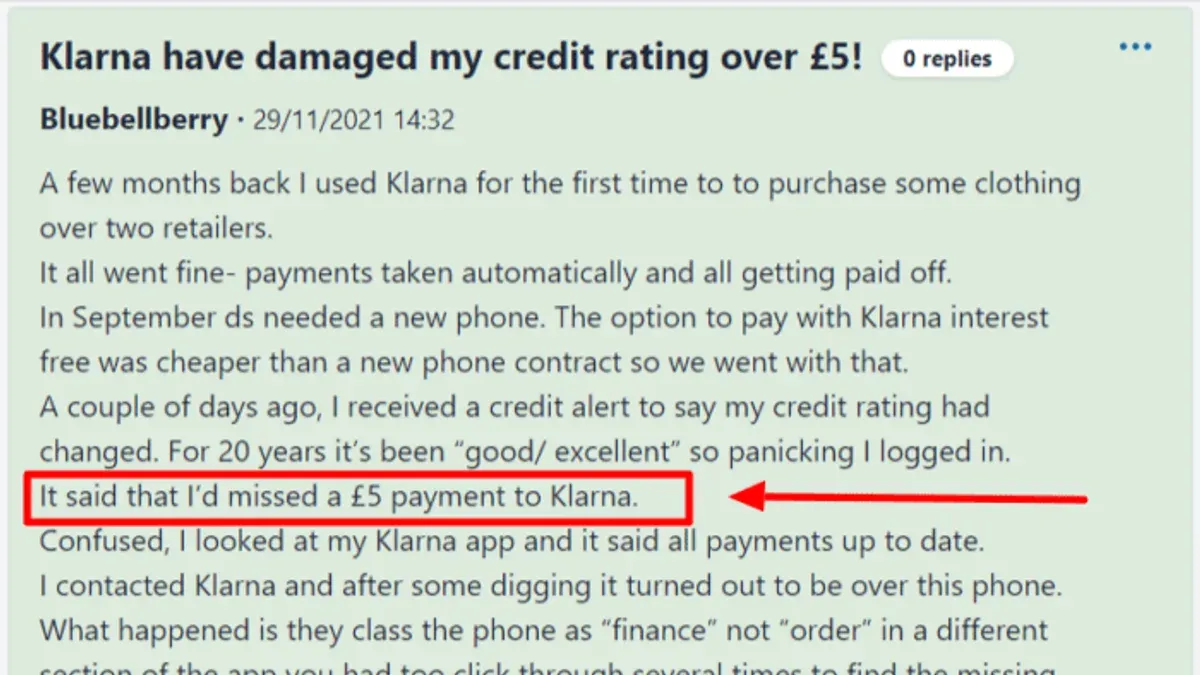
This means that timely payments can build credit positively, while missed or late payments can lower credit scores. For example, if a user misses several installments on a Klarna payment plan, credit reporting agencies may mark those delinquencies, affecting creditworthiness.
These changes do not influence individual Klarna accounts or their recovery processes. For instance, a drop in Klarna’s stock value amid wider economic uncertainty does not increase the likelihood of account hacking or affect the recovery flow.
Account security depends on controlling the email tied to the account and following recovery procedures, not on external financial market factors. Ensuring the email account’s security is essential since Klarna login requires email plus one-time codes sent to that email.
Frequently asked questions
How to get klarna account?
The process involves setting up login credentials and confirming the email with a one-time code. Access to the registered email is essential since Klarna sends login codes there.
Does klarna hit your credit?
Some Klarna financing options involve soft or hard credit checks, which can affect credit scores differently. Users should review Klarna's terms and their specific financing product details to understand potential credit effects.
How do i check my klarna account?
Once logged in, navigate to Account Settings and Security Settings to review session activity and payment history. For ongoing security, regularly verifying these settings helps detect unauthorized access early.
Ignoring the official identity verification flow or delaying email account security jeopardizes recovery. After regaining access, signing out all active sessions via Account Settings → Security Settings and enabling two-factor authentication (2FA) drastically reduce future risks. Regularly review recent transactions and dispute unauthorized charges promptly through Klarna's partner dispute process, keeping response deadlines in mind.
Since Klarna login depends on one-time codes sent to that email, any compromise there enables repeated access by attackers. Changing the email password and enabling 2FA on the email account ensures that all subsequent Klarna login attempts require direct control of the email, effectively blocking unauthorized entry.
Documentation used
- Klarna Account Hacked? What to Do Now — PersProtect
- Before you start with Dispute Management v1 and v2 - Klarna Docs — Klarna Documentation
See also: How to Recover and Secure a Hacked Instacart Account · How to Respond When Your Hulu Account Is Hacked