What to Do If Your Capital One Account Is Hacked: A Clear Recovery Guide
This guide explains clear steps to take immediately if your Capital One account is hacked to secure your information and recover access.

This article explains what to do if your Capital One account is hacked, focusing on precise recovery steps tailored to Capital One’s systems. When an account compromise is suspected, swift action is critical to limit damage and secure personal and financial information. Capital One’s protocols differ from other banks, so following their recommended steps avoids delays and confusion.
Immediate steps include verifying recent transactions and locking the account through the Capital One mobile app or website. Understanding why contacting Capital One directly comes first helps prevent unauthorized changes and starts the formal investigation process. This guide also covers additional security measures, when to notify credit bureaus or law enforcement, and common recovery pitfalls unique to Capital One customers.
What are the first steps to take if a Capital One account is hacked?
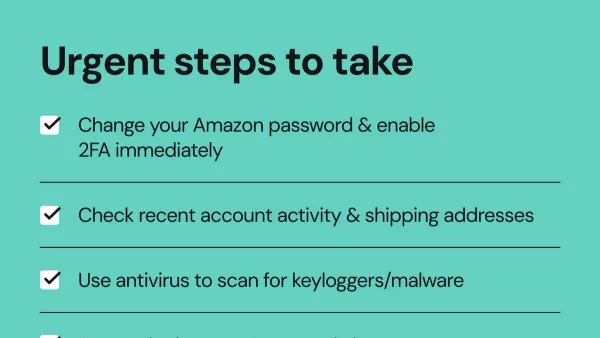
The immediate response when a Capital One account is suspected of being hacked is to contact Capital One directly using their official phone number or secure online messaging through the Capital One app or website. Prompt reporting allows the bank to activate fraud prevention protocols quickly. Next, freeze or temporarily lock the compromised account via the "Lock Card" feature in the mobile app or by speaking with customer service to halt any unauthorized transactions. Changing all related passwords, including the Capital One online account password and any linked email accounts, is essential to prevent further access. Enabling two-factor authentication (2FA) on the Capital One account, if not already active, significantly strengthens security and reduces the chance of repeat breaches. Customers who lock their accounts swiftly often experience a faster resolution and less financial loss, as Capital One’s customer support is available 24/7 with generally rapid response times to fraud reports.
Why is contacting Capital One first crucial, and what happens next?
Contacting Capital One immediately after suspecting a hack is essential because the bank can promptly monitor and halt suspicious activity, preventing further unauthorized transactions. Capital One’s security team initiates a fraud investigation that includes reviewing recent account activity, identifying fraudulent charges, and potentially reversing those transactions to protect the customer’s funds. This prompt response is critical because delays can increase financial loss and complicate recovery.
Capital One’s fraud claim procedures require submitting documentation such as identification and a detailed fraud affidavit. Understanding this process helps set realistic expectations about the resolution timeline, which can vary but typically spans a few business days to a couple of weeks depending on the case complexity. Importantly, Capital One’s zero-liability policy ensures customers are not held responsible for fraudulent charges if reported promptly, aligning with or exceeding industry standards for consumer protection.
Compared to many banks, Capital One’s fraud response is notably proactive, with dedicated fraud specialists and automated systems to detect anomalies quickly. For example, in a typical fraud claim, customers may see provisional credit within days while investigations conclude, minimizing financial disruption.
What additional security measures should be implemented after a hack?
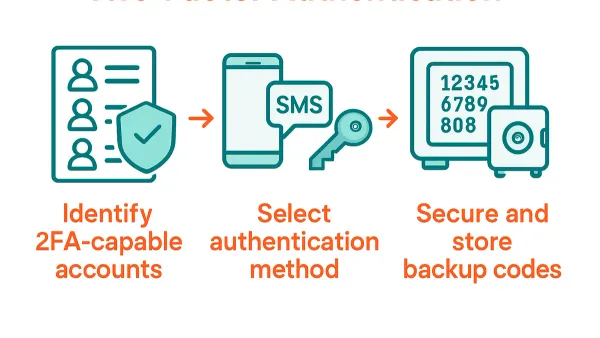
Reinforcing account security after a hack requires setting up or reviewing Capital One’s two-factor authentication (2FA) options. Capital One supports multifactor authentication through their mobile app using push notifications or one-time passcodes via SMS or authenticator apps. Enabling or verifying these settings under the “Security Settings” tab ensures an added layer of protection beyond passwords, which significantly reduces the risk of unauthorized access.
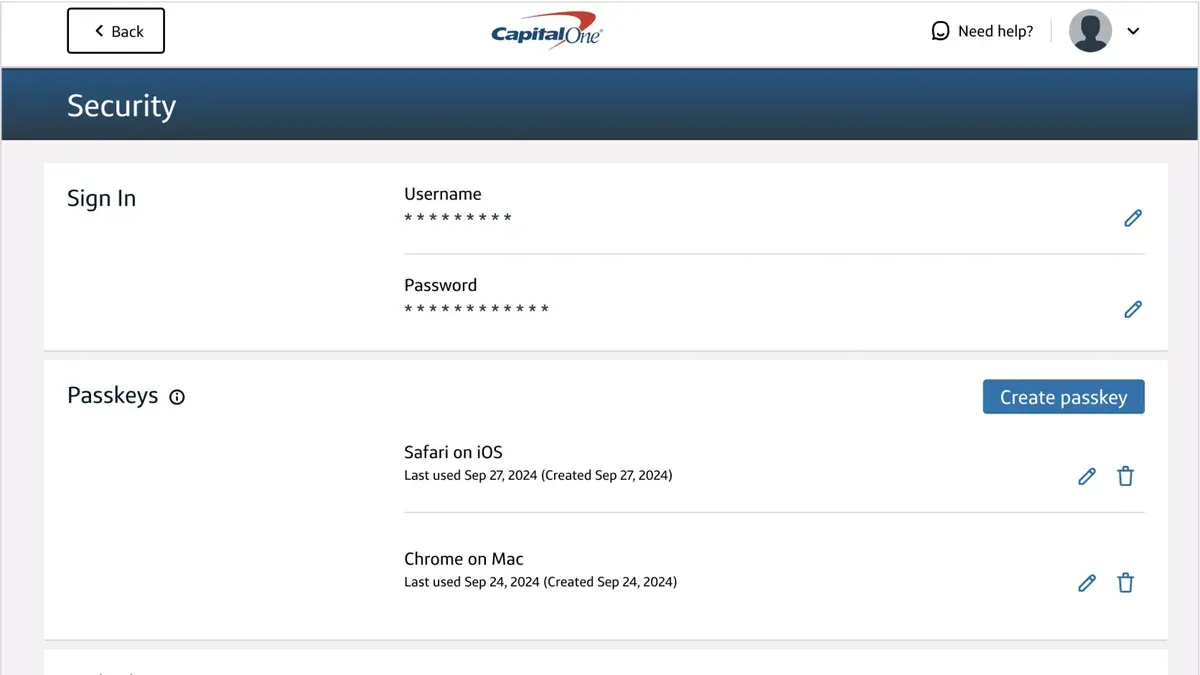
Regularly monitoring account statements and alerts is critical. Capital One allows users to customize alerts for transactions, login attempts, and changes to account information. Consistent review helps catch suspicious activity early, allowing prompt reporting and response.
Consider enrolling in credit monitoring or identity theft protection services. These services track credit report changes and alert users to potential fraud involving personal information beyond the Capital One account. Combining these approaches creates a multi-layered defense that addresses both account-specific and broader identity risks.
When is it necessary to involve law enforcement or credit bureaus?
Involving law enforcement or credit bureaus is necessary when identity theft occurs or when financial losses are substantial and cannot be resolved solely through Capital One. Filing a police report establishes an official record, which can be critical for disputing fraudulent charges and protecting against further misuse. Victims of identity theft often find that law enforcement involvement helps in navigating insurance claims and provides documentation needed by creditors.
Credit bureaus should be contacted to place fraud alerts or credit freezes to prevent new accounts from being opened fraudulently. A fraud alert notifies lenders to take extra steps to verify identity before extending credit and lasts for one year, renewable if needed. A credit freeze is more restrictive, blocking all new credit inquiries until lifted, and is advisable when ongoing risk of identity theft is high.
To place a credit freeze, contact each major bureau separately: Experian (via experian.com/freeze), TransUnion (transunion.com/credit-freeze), and Equifax (equifax.com/personal/credit-report-services). Each bureau requires personal information to verify identity and will provide a PIN or password to manage the freeze.
Tip: Keep a record of all communication with law enforcement and credit bureaus; it can be essential if disputes arise later.
What are common pitfalls and exceptions in Capital One account recovery after hacking?
The main challenges in Capital One account recovery involve delays caused by incomplete fraud claims, complications when multiple linked accounts or services are affected, and limits on reimbursing lost funds or recovering compromised data. Customers often face extended processing times if required documentation or detailed incident information is missing, which slows down fraud investigations and resolution.
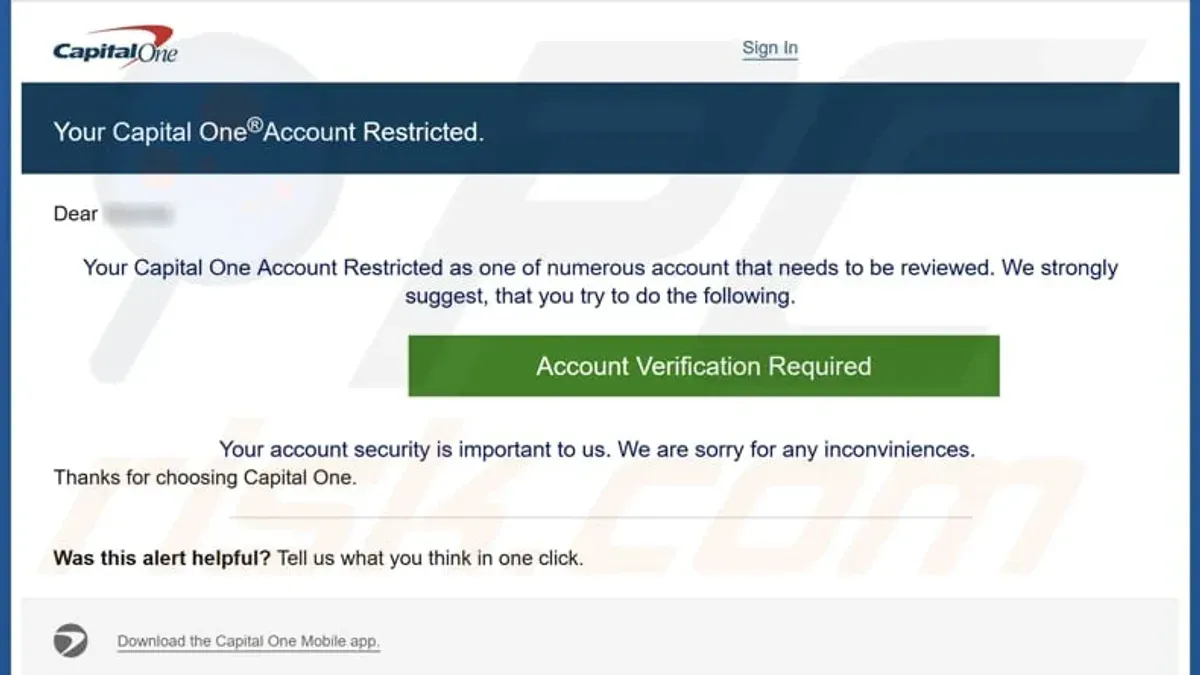
When several related accounts—such as savings, credit cards, or connected third-party services—are compromised, restoring full account integrity can be complex. Capital One’s systems and policies may require separate investigations for each account, prolonging recovery and increasing the risk of overlooked breaches.
Capital One’s official terms clarify that while they strive to reimburse unauthorized transactions under their zero-liability policy, there are exceptions. Situations involving negligence, delayed reporting, or sophisticated fraud schemes might limit reimbursement. Additionally, lost data or personal information exposed during hacks cannot always be fully recovered through Capital One’s recovery process.
Tip: Ensure all requested information is submitted promptly and verify all linked accounts to streamline recovery and minimize financial loss.
Frequently asked questions
How quickly should a hacked Capital One account be reported?
A hacked Capital One account should be reported immediately upon suspicion. Prompt reporting minimizes potential losses and speeds up the investigation. Delays can complicate recovery and increase exposure to fraud.
Can Capital One reverse fraudulent transactions on a hacked account?
Capital One can reverse some fraudulent transactions, but this depends on the timing and nature of the transactions. Early reporting improves chances of reversal, while transactions already processed or withdrawn may be harder to recover. Capital One’s fraud team assesses each case individually.
What steps does Capital One take to verify account ownership during recovery?
Capital One typically verifies identity using multiple factors such as personal information, recent transaction history, and security questions. Customers may need to confirm details like card numbers, billing addresses, or recent login activity. This multi-step verification helps prevent unauthorized access during recovery.
Is two-factor authentication mandatory for Capital One accounts?
Two-factor authentication (2FA) is strongly recommended but not always mandatory for all Capital One accounts. Enabling 2FA significantly enhances security by requiring a second verification step during login. Customers can activate 2FA through the Capital One mobile app or online account settings under "Security Preferences."
What This Advice Does Not Cover
This guidance does not address scenarios involving physical theft of devices or malware infections on personal computers or smartphones. Those situations require specialized technical interventions such as device wiping, antivirus scans, or professional IT support. For compromised devices, immediate disconnection from the internet and consultation with cybersecurity experts are recommended before proceeding with account recovery steps.
Tip: If the device used to access Capital One accounts is suspected to be infected, prioritize securing the device before changing passwords or contacting the bank.
After confirming a Capital One account compromise, the most critical next step is to contact Capital One directly through their official fraud hotline or secure website immediately. Prompt communication initiates fraud monitoring, transaction freezes, and account security actions that prevent further unauthorized activity. Early notification also speeds up investigation and resolution, minimizing financial and identity damage.
See also: What to Do If Your Bank of America Account Is Hacked · What to Do When a Valorant Account Is Hacked: A Complete Recovery Guide · How to Understand, Protect, and Recover a Proton Mail Account · How to Recover and Secure a Steam Account Hacked