What to Do If Your Bank of America Account Is Hacked
This article explains the immediate steps to take if your Bank of America account is hacked to protect your money and secure your account.

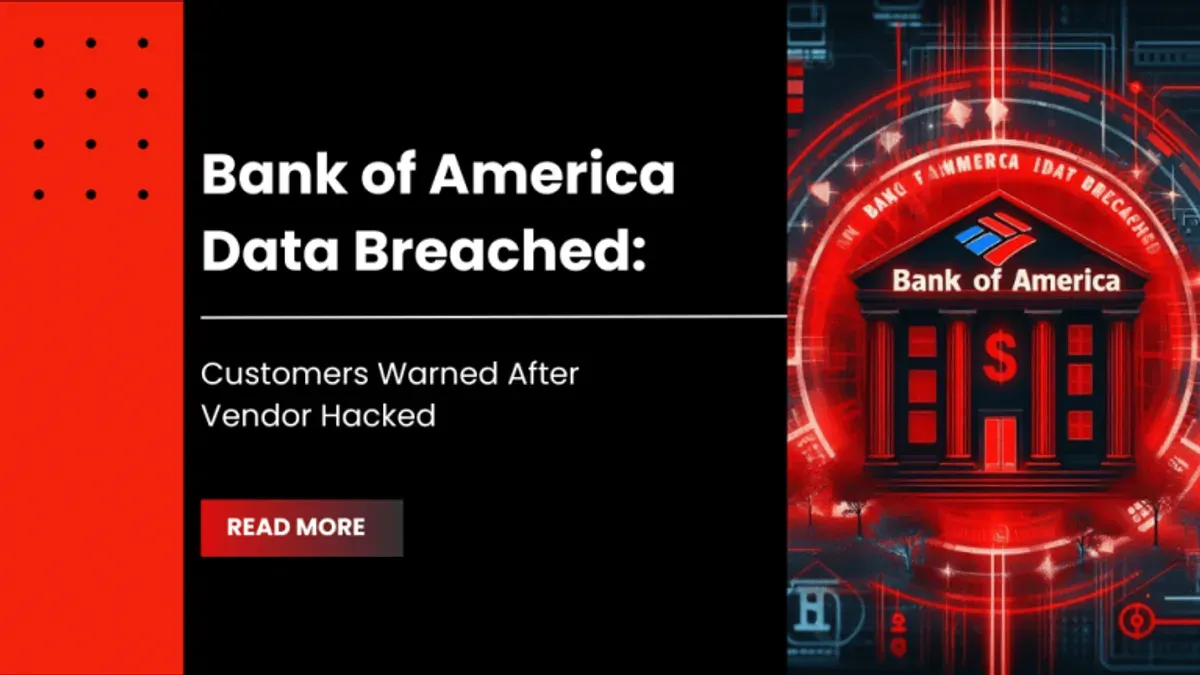
This article outlines what to do if your Bank of America account is hacked, focusing on immediate, prioritized actions tailored to the bank’s procedures.
The first priority is to confirm unauthorized access by reviewing recent transactions through the Bank of America mobile app or online banking portal under "Activity" or "Transactions." If suspicious activity appears, contact Bank of America immediately using the dedicated fraud line at 1-800-432-1000, available 24/7. This direct step initiates the bank’s fraud investigation and helps secure the account from further unauthorized use.
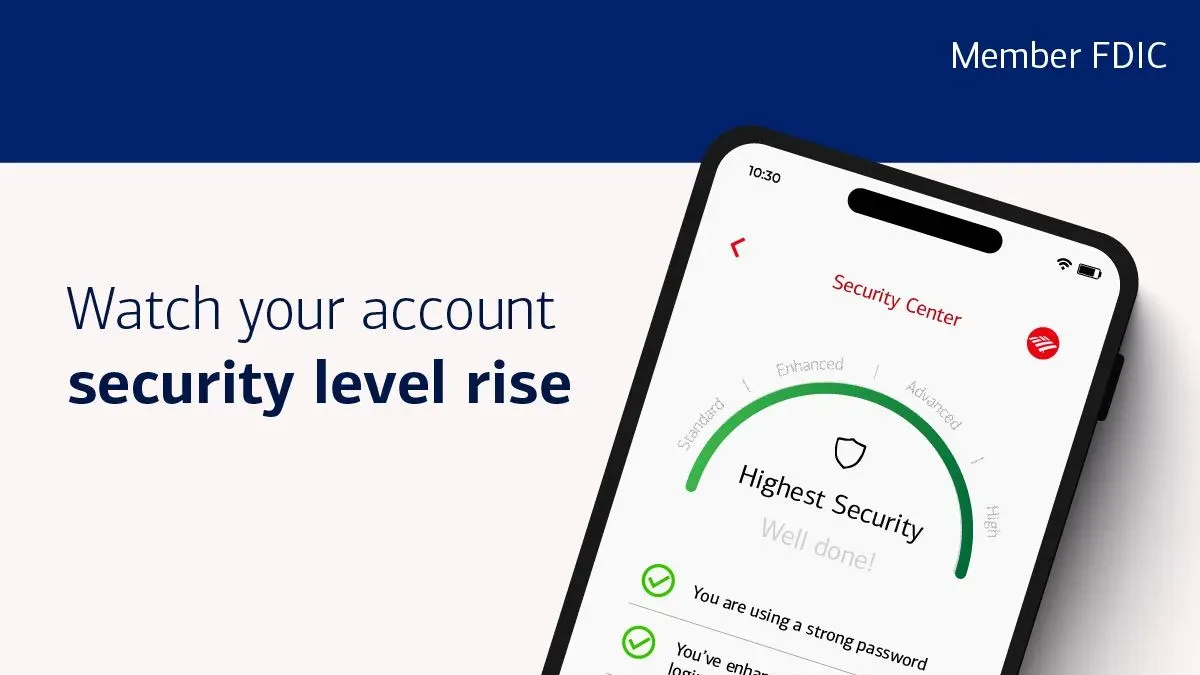
Next, freeze or change login credentials and enable extra security settings like two-factor authentication via the "Security Center" in online banking. These steps help prevent additional breaches while the bank investigates. This focused approach ensures clarity on what to do if your Bank of America account is hacked without wasting time on generic advice.
What is the first step to take if a Bank of America account is hacked?
The immediate action is to contact Bank of America without delay through their official fraud hotline at 1-800-432-1000 or via secure messaging within the online banking platform. This connection triggers the bank’s fraud response team to begin protecting the account.
Next, request a temporary freeze or lock on the compromised account to stop any unauthorized transactions while the investigation is underway. This step is critical to contain potential losses and is available through the bank’s customer service or online banking interface under Security Settings.
Simultaneously, change the online banking password and update security questions to block further unauthorized access. Use strong, unique passwords and avoid reusing credentials from other accounts.
Bank of America’s fraud hotline generally has shorter wait times during business hours, but using secure messaging can sometimes provide quicker responses outside peak periods. Acting swiftly and using these official channels ensures the bank can respond effectively.
How does Bank of America handle fraud investigations and reimbursements?
Bank of America initiates a formal fraud investigation immediately after a customer reports unauthorized activity. The bank reviews transaction details, account history, and any submitted evidence to determine if fraud occurred. Customers typically receive a provisional credit for disputed amounts within a few business days, while the full investigation can take up to 30 days, with possible extensions if additional information is needed.
Reimbursements are granted when the bank confirms unauthorized transactions that the customer did not authorize or contribute to through negligence. Exceptions include cases where the customer shared credentials or delayed reporting suspicious activity beyond the bank’s specified timelines. Bank of America’s online fraud claim forms and direct communication channels help streamline this process, ensuring transparency and clear updates.
For example, if a customer identifies a fraudulent ATM withdrawal and reports it promptly, the bank usually resolves the claim faster and issues reimbursement. However, disputes involving authorized transactions or merchant chargebacks follow different protocols and may require separate resolution steps.
What additional security measures can protect a Bank of America account after a hack?
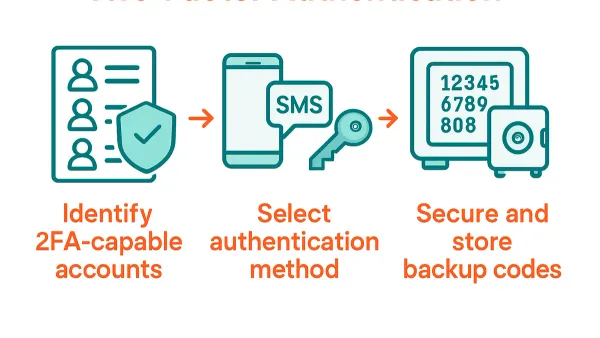
Enabling multi-factor authentication (MFA) on a Bank of America account provides a critical layer of security beyond passwords. Bank of America offers a feature called SafePass, which generates a one-time passcode via the mobile app or SMS. This step significantly reduces the risk of unauthorized access compared to single-factor login, as widely recognized security research confirms two-factor authentication effectively lowers fraud attempts.
Setting up customized alerts for unusual account activity is another key measure. Bank of America allows customers to configure notifications for transactions exceeding a set amount, login from new devices, or changes to personal information. These real-time alerts enable rapid detection of suspicious behavior, allowing prompt intervention.
Regularly reviewing account statements and all linked services, including credit cards and external transfers, helps identify any lingering unauthorized actions. Bank of America’s online platform and mobile app provide accessible, detailed transaction histories. Diligent monitoring complements automated alerts by catching anomalies that algorithms might miss.
Compared to other major banks, Bank of America's security features are competitive, with user-friendly MFA options and flexible alert settings. Consistently applying these measures creates a robust defense, minimizing the chance of repeat compromises after an initial breach.
When should a customer involve external authorities or credit monitoring services?
Customers should contact external authorities or use credit monitoring services when signs indicate identity theft extends beyond the Bank of America account. These signs include unexpected bills, new credit accounts opened without consent, or notifications from creditors about suspicious activity. Immediate reporting to the Federal Trade Commission (FTC) via identitytheft.gov helps create an official record and provides tailored recovery plans. Filing a report with local law enforcement can support legal actions, especially if financial losses or fraud escalate.
Credit monitoring services alert users to changes in credit reports, such as new inquiries or accounts, enabling quicker responses to potential fraud. While these services offer peace of mind, they often come with monthly fees and cannot prevent identity theft, only detect it. Weighing the cost against the risk level is essential; customers with confirmed breaches or ongoing suspicious activity benefit most.
Legal recourse may include disputing fraudulent debts and working with creditors or credit bureaus to correct records. Early involvement of authorities and monitoring services enhances protection and recovery chances when identity theft surpasses banking fraud alone.
What are common pitfalls to avoid during the recovery process?
The main pitfalls include trusting unverified third parties, ignoring minor unauthorized transactions, and delaying reporting the hack. Scammers often pose as recovery experts, convincing victims to pay fees or share sensitive information, which worsens the breach. Victims who overlook small fraudulent transactions risk overlooking patterns of ongoing theft, allowing losses to accumulate unnoticed. Delays in notifying Bank of America or authorities prolong exposure to fraud and complicate investigation efforts. Timely, direct communication with official bank channels is essential to minimize damages and ensure proper resolution.
Tip: Always verify contact details through Bank of America’s official website before sharing any personal data or payments related to account recovery.
Frequently asked questions
How quickly should a hacked Bank of America account be reported?
Report a suspected hack immediately upon detection. Prompt notification allows Bank of America to freeze the account, limit further unauthorized activity, and begin an investigation. Delaying increases the risk of further losses and complicates recovery.
Can unauthorized transactions be reversed after a certain period?
Bank of America typically investigates and may reverse unauthorized transactions if reported promptly. However, the longer the delay, the harder it is to recover funds. Customers should notify the bank as soon as suspicious activity is noticed to maximize chances of reversal.
What information does Bank of America need to investigate a hack?
The bank requires specific details such as account numbers, dates and amounts of suspicious transactions, and any related communication or alerts received. Providing clear, accurate information expedites the fraud investigation and helps verify unauthorized access.
How to reset Bank of America online banking credentials securely?
Use the official Bank of America website or mobile app to reset credentials. Navigate to "Sign-In Help" and select "Forgot ID" or "Forgot Password." Avoid using links from emails or texts to prevent phishing. After resetting, enable multi-factor authentication for added security.
What this advice does not cover
This advice does not cover recovery options for hacked accounts involving third-party payment apps linked to Bank of America accounts, such as Zelle or PayPal. Those services have separate procedures that must be followed directly through their platforms. Additionally, this guidance is not a substitute for legal advice or emergency assistance in cases of identity theft or financial fraud requiring law enforcement intervention.
After completing the prioritized steps with Bank of America, the single most useful next step is to confirm all recent transactions within the Bank of America mobile app or online banking portal. Immediately flag any unauthorized activity to the bank’s fraud department by calling the dedicated number on the back of the debit or credit card or using the secure messaging feature in the app. This direct verification often triggers the fastest response and resolution from the bank’s fraud team.
See also: How to Recover and Secure a Steam Account Hacked · What to Do When a Valorant Account Is Hacked: A Complete Recovery Guide · How to Recover and Secure a Hacked Outlook Account · How to Identify and Recover from a Microsoft Account Hack