Understanding the AT&T Data Breach and Settlement Process
This article explains the AT&T data breach and guides readers on verifying its legitimacy and navigating the settlement claim process safely.

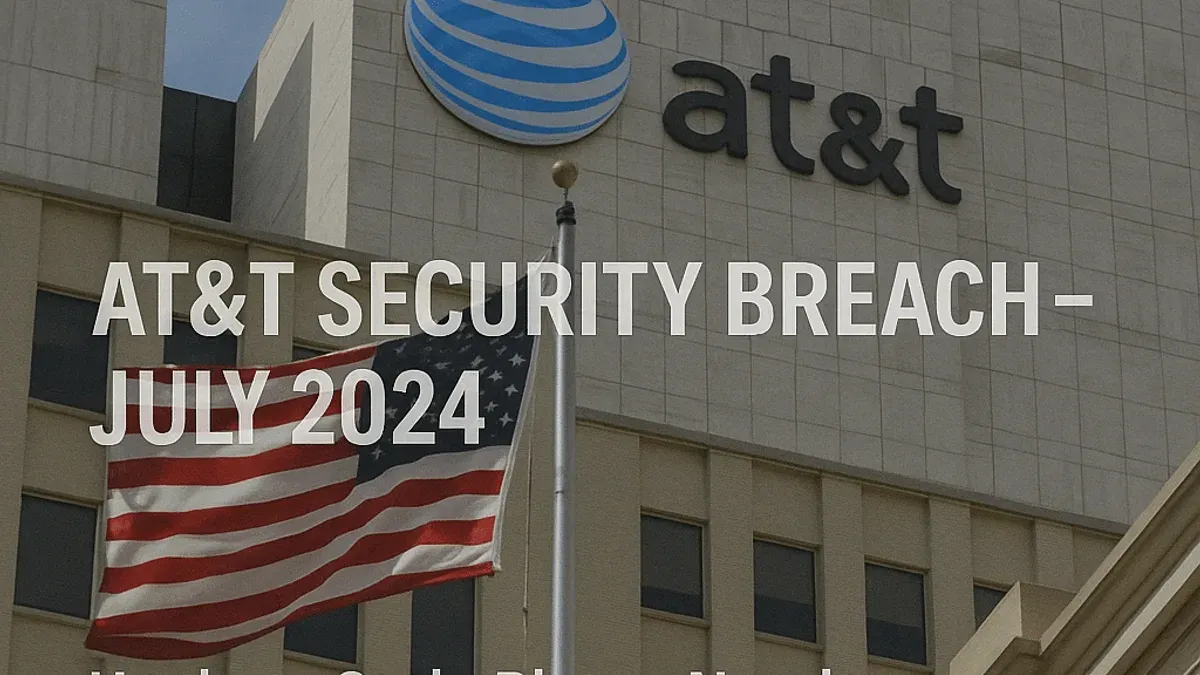
This article explains the key details about the AT&T data breach and guides readers through verifying its legitimacy and navigating the settlement claim process safely.
The AT&T data breach involved unauthorized access to customer information, raising concerns about personal data security and the impact on affected subscribers. Understanding how the breach occurred and what steps AT&T has taken helps consumers assess the situation accurately.
In addition to outlining the settlement process, this article compares the AT&T incident with related telecom breaches, such as those involving T-Mobile, to provide broader context on how data breaches affect the industry and customers alike.
What the AT&T Data Breach Involves
The AT&T data breach refers to an incident where unauthorized parties accessed sensitive customer information stored by the company. According to official statements, millions of AT&T accounts were affected by this breach, exposing various types of personal and account data. This includes names, billing addresses, phone numbers, email addresses, and in some cases, account PINs or partial payment card information.
Such data exposure matters because it increases the risk of identity theft, unauthorized account access, and fraudulent charges. For example, if an attacker obtains an account PIN along with personal details, they could impersonate the customer to make service changes or steal funds.
Telecom customers often face unique vulnerabilities in breaches due to the access their accounts provide to communication services and personal records. The breach's scope means affected customers should be cautious about suspicious communications and credit monitoring.
Is the AT&T Data Breach Real and Legitimate?
The AT&T data breach has been confirmed by official statements from AT&T and verified by cybersecurity firms monitoring telecom industry threats. AT&T published announcements on its official website and through customer emails outlining the nature of the breach and the steps being taken. Independent security analysts also identified the breach by detecting unusual access patterns and data leaks linked to AT&T systems.
Despite official confirmation, many consumers report receiving scam messages impersonating AT&T representatives offering settlement claims or requesting sensitive information. These scams often use urgent language and unofficial email addresses or phone numbers. For example, a consumer might receive an email from an address like "[email protected]" asking for Social Security numbers to process a claim — a strong sign of fraud.
To differentiate legitimate communications, consumers should verify messages against AT&T’s official website or customer service channels. AT&T directs customers to visit their dedicated breach information page or call customer support using numbers found on their official site. Avoid clicking links in unsolicited messages or providing personal data without confirmation.
Tip: When in doubt, access AT&T’s official breach update page by typing the URL directly into a browser instead of following email links.
How Did the AT&T Data Breach Happen?
The AT&T data breach occurred due to vulnerabilities in the company's internal security protocols, which were exploited by unauthorized actors using sophisticated attack vectors. For example, attackers gained access through a phishing campaign targeting employee credentials, allowing them to bypass multi-factor authentication systems. This initial access enabled them to navigate laterally within AT&T’s network, accessing sensitive customer data stored on internal servers.
Security incident reports reveal that outdated software and insufficient segmentation of internal databases contributed to the breach’s scope. In particular, the lack of strict access controls on critical systems allowed the attackers to maintain prolonged access before detection. Post-breach forensic investigations identified lapses in real-time monitoring and delayed incident response as factors that worsened the impact.
Within the telecom industry, such breaches often stem from similar causes: social engineering attacks, weak credential management, and legacy infrastructure vulnerabilities. The AT&T breach shares parallels with other notable telecom incidents, where attackers exploited human and technical weaknesses rather than direct system flaws, illustrating the complexity of securing large-scale networks.
Overview of the AT&T Data Breach Settlement
The AT&T data breach settlement is a legal agreement designed to provide compensation and support to affected customers. Eligible claimants typically include those whose personal information was compromised during the breach, as verified by AT&T's official settlement portal. The settlement offers a range of benefits, such as reimbursement for certain out-of-pocket expenses related to identity theft, free credit monitoring services, and extended customer support.
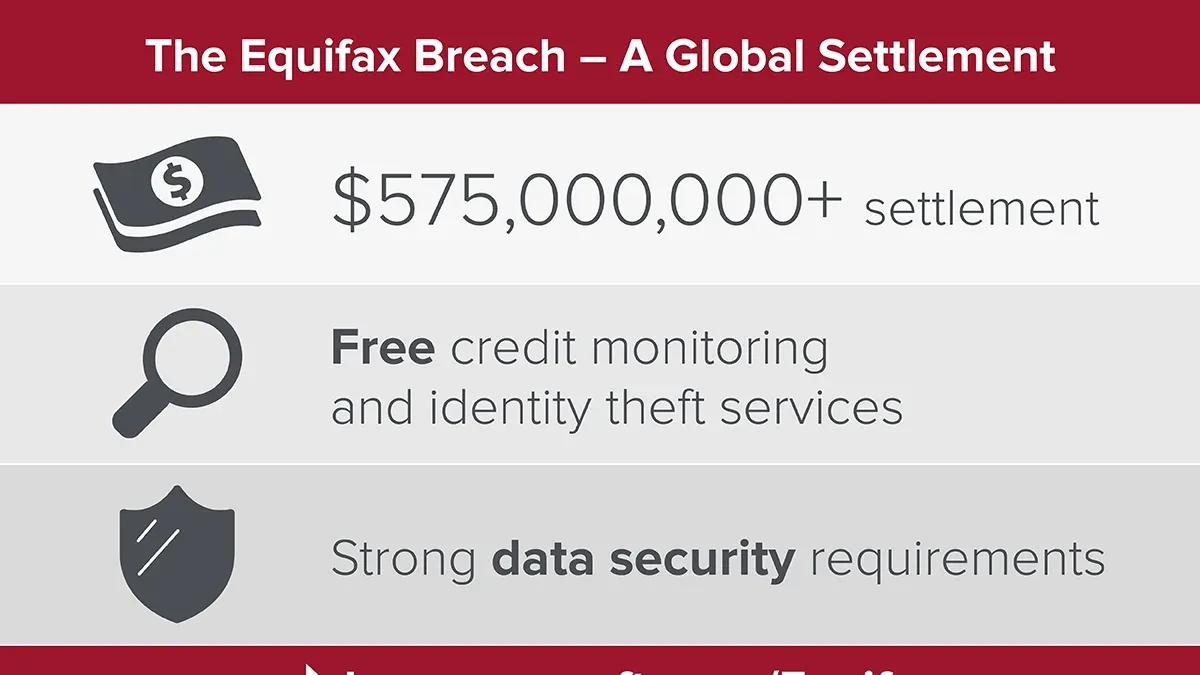
Claimants must submit their requests through the official settlement website, which guides users through verifying eligibility and completing the claim form. The process often requires documentation such as proof of identity and evidence of losses, when applicable. Settlement timelines usually span several months, with claim submissions accepted within a specific window after the settlement announcement.
For example, a customer who noticed fraudulent charges linked to the breach could claim reimbursement by uploading bank statements and completing the online form. Settlement updates, including claim statistics and deadlines, are regularly posted on the official website to keep claimants informed.
Tip: Carefully follow the instructions on the official settlement site and avoid third-party services that may charge fees to file claims.
How to Check If You Were Affected by the AT&T Data Breach
To verify whether personal information was compromised in the AT&T data breach, start by visiting the official AT&T breach settlement website, typically found at a URL ending with ".attdatabreachsettlement.com" or linked directly from AT&T's main site under their security or customer support sections. This portal allows customers to enter their phone number or account details securely to check breach status.
In addition to official tools, well-known third-party services like Have I Been Pwned offer a way to see if email addresses or phone numbers appear in known breach databases. However, these should complement, not replace, the official AT&T resources.
Signs that personal data might have been exposed include unexpected calls requesting account details, suspicious charges on bills, or receiving official-looking but unsolicited emails about the breach. When searching for breach information online, avoid clicking on links in unsolicited emails or pop-ups, as scammers often create fake sites mimicking official portals.
For example, a customer receives an email claiming eligibility for the AT&T settlement but notices the sender's address is unrelated to AT&T domains and the link directs to "att-breach-settle.com" instead of the official site. This mismatch is a red flag to avoid submitting any personal information.
Tip: Bookmark the official AT&T data breach settlement page from AT&T's main website to ensure direct access and reduce phishing risk.
How to Claim the AT&T Data Breach Settlement
To submit a claim for the AT&T data breach settlement, begin by visiting the official settlement website provided in AT&T's communications or verified through their customer support channels. Locate the "File a Claim" section prominently displayed on the homepage.
Claimants must complete the online claim form, which requires personal information such as full name, contact details, and proof of affected AT&T service or account. Commonly accepted documentation includes recent AT&T bills, account statements, or official correspondence confirming the breach impact.
A typical claim form asks for:
- Full legal name and contact information
- AT&T account number or phone number
- Details about how the breach affected the claimant
- Documentation supporting the claim
Submit all information carefully, ensuring that uploaded documents are clear and legible. Avoid common mistakes like submitting incomplete forms or incorrect account numbers, as these can delay processing or lead to claim denial.
Claims must be filed before the specified deadline, usually noted on the settlement website and official notices. Late submissions are generally not accepted.
For example, a claimant named Jane Doe would log in to the official portal, enter her AT&T phone number, upload a recent bill showing her name and number, describe unauthorized charges she experienced, and submit the form before the deadline.
Tip: Save a confirmation receipt or screenshot after submitting the claim form to track its status and have proof of submission.
Why Data Breaches Happen and Their Impact on Telecom Customers
Data breaches in the telecom sector often arise from phishing attacks, insider threats, and software vulnerabilities. Phishing remains a primary method, where attackers trick employees into revealing login credentials, enabling unauthorized access. Insider threats can stem from careless or malicious staff members, while outdated or unpatched software creates exploitable weaknesses in infrastructure.
Securing telecom infrastructure is particularly challenging due to its complexity and the vast amount of sensitive customer data handled daily. Networks must support millions of users and devices, increasing the attack surface. Additionally, legacy systems sometimes coexist with modern platforms, complicating comprehensive security enforcement.
Beyond immediate data loss, breaches can lead to identity theft, unauthorized account takeovers, and prolonged fraud risks for customers. For instance, a successful phishing campaign targeting telecom employees might allow hackers to access customer accounts, enabling fraudulent changes to service plans or data usage that customers only discover later.
To mitigate these risks, telecom companies adopt multi-layered security measures including continuous monitoring, employee training against phishing, regular software updates, and advanced threat detection systems. Industry cybersecurity reports emphasize that while no system is invulnerable, proactive defenses significantly reduce breach frequency and impact.
Comparing AT&T and T-Mobile Data Breaches and Settlements
T-Mobile has experienced multiple significant data breaches over recent years, affecting tens of millions of customers. For example, a 2021 breach exposed personal information of over 50 million individuals, resulting in a settlement that offered affected users credit monitoring and financial compensation through a structured claims process.
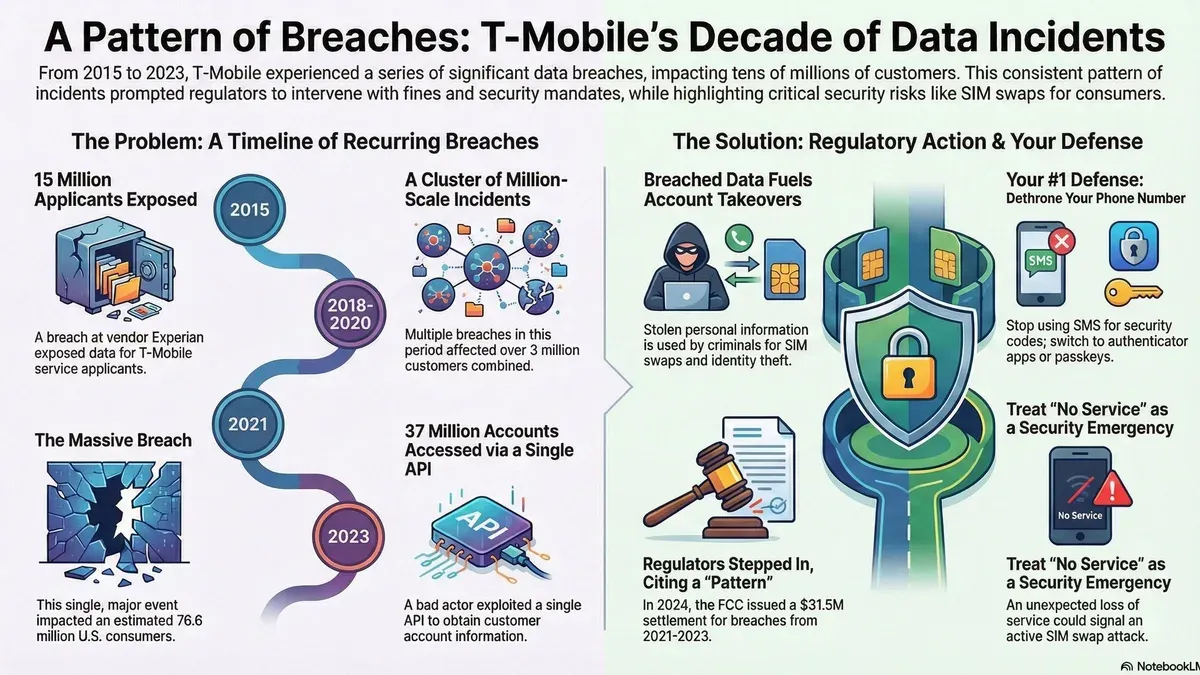
In contrast, the AT&T breach affected a smaller but still substantial number of customers, with its settlement focusing on cash payments and identity theft protection. While both companies utilized official portals for claims, T-Mobile's approach included extended credit monitoring periods and a tiered compensation structure, reflecting lessons learned from earlier breaches.
One concrete example is the difference in settlement timelines: T-Mobile's settlement allowed claims over a longer window with proactive communication, while AT&T's process was more time-limited, requiring customers to act promptly.
Telecom responses to data breaches are evolving towards greater transparency, faster notification, and enhanced consumer support. T-Mobile's experience has influenced industry standards, encouraging AT&T and others to strengthen breach response protocols and customer outreach to minimize harm.
Common Mistakes to Avoid When Dealing with Data Breach Settlements
One frequent error is responding to unsolicited calls or emails that claim to offer settlement money. These scams often pressure recipients to provide sensitive details or make upfront payments. For example, a consumer might receive a call from someone posing as an AT&T representative asking for Social Security numbers to "process the claim," which is a red flag since official communications come through verified channels only.
Another mistake is sharing personal information on unofficial websites. Consumers should only use the official AT&T settlement portal, as third-party sites may collect data for fraudulent purposes. Ignoring this can lead to identity theft or further compromise.
Missing claim deadlines also jeopardizes eligibility. Settlement offers have strict cut-off dates, and failing to submit claims on time means losing access to compensation and support. Monitoring official announcements and setting reminders helps avoid this pitfall.
Lastly, ignoring or failing to verify official communications can cause missed opportunities or exposure to scams. Consumers are advised to cross-check any settlement-related messages against AT&T's official website or trusted consumer protection agencies before taking action.
Tip: Always verify the sender's email domain and website URLs carefully—official AT&T communications come from addresses ending with “@att.com.”
Further reading
- What Happened in the 23andMe Data Breach and How It Affects Your Genetic Privacy
- Types of Hackers Explained: Who They Are and What They Do
- Types of Encryption: A Clear Guide to Algorithms and Applications
Frequently asked questions
Is at&t data breach real?
Yes, the AT&T data breach is real. It involved unauthorized access to customer information, which was confirmed by AT&T through official statements and subsequent investigations. Customers were advised to monitor their accounts and be alert for suspicious activity.
Is the at&t data breach legitimate?
The AT&T data breach is legitimate, as verified by cybersecurity experts and AT&T’s own disclosures. Legitimate breaches typically prompt official notifications and offer affected customers access to settlement or remediation services. Consumers should verify any communication through official AT&T channels.
What happened to at&t data breach settlement?
The AT&T data breach settlement involved an agreement to compensate affected customers and implement enhanced security measures. Claim processes were established to allow eligible individuals to submit claims, usually through an official website or mail-in form. Settlements often include identity theft protection or financial reimbursement.
What year was at&t data breach?
The AT&T data breach occurred in a past year officially reported by the company; it is not a recent event. Specific incidents tied to the breach were investigated and disclosed publicly, with relevant settlements following shortly after the breach became known.
Why data breach happen?
Data breaches happen due to vulnerabilities in security systems, human error, or sophisticated cyberattacks targeting sensitive information. In telecom, breaches often exploit network weaknesses or employee access points. The impact can include identity theft, financial loss, and erosion of customer trust.
Limits of this advice and when to seek professional help
This article does not provide legal advice; individuals with complex cases or uncertain eligibility should consult a qualified attorney. Information about the breach and settlement may evolve, so readers should verify details with official sources such as AT&T’s website or the settlement administrator’s communications regularly.
The single most useful next step is to visit the official AT&T data breach settlement website or contact the designated claims administrator directly. This ensures access to the most current information on eligibility, claim deadlines, and the proper process for submitting a settlement claim securely.