Best Certifications for Cybersecurity Sales Engineers in 2026
Explore top certifications that blend cybersecurity expertise and sales skills for cybersecurity sales engineers in 2026.

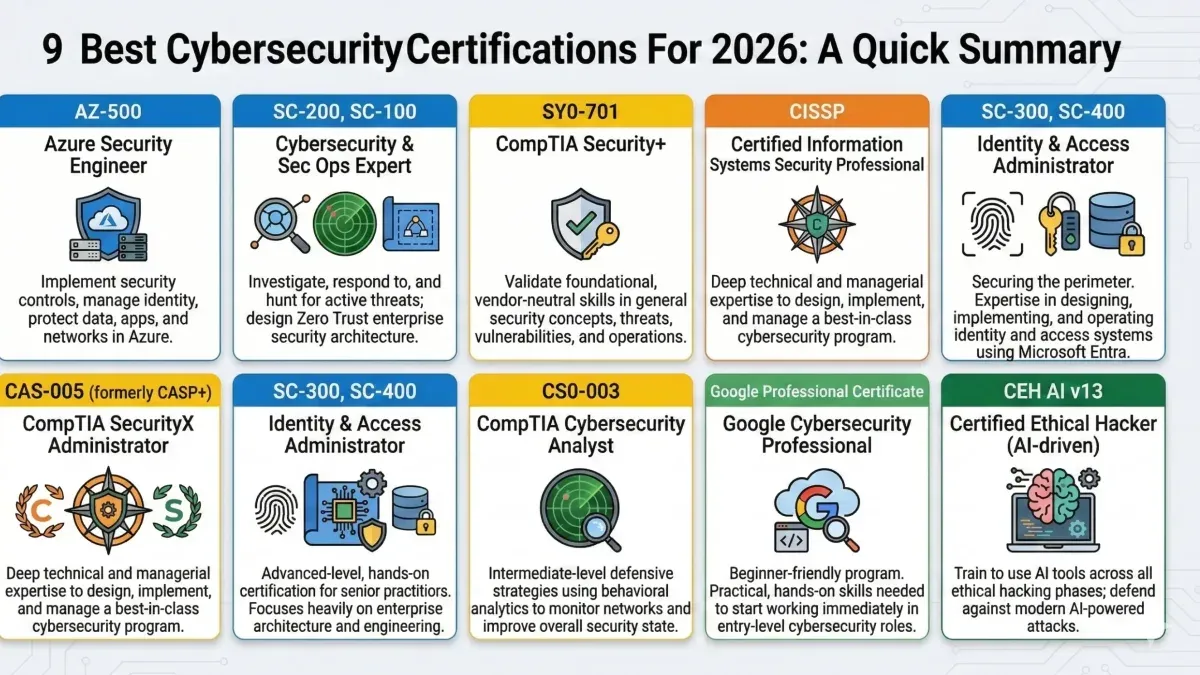
This article ranks the best certifications for cybersecurity sales engineer roles, focusing on credentials that blend technical cybersecurity expertise with sales acumen. Cybersecurity sales engineers require a unique skill set to effectively communicate complex security solutions while understanding the technical challenges and risks faced by clients.
Choosing the right certification can enhance credibility and open career opportunities by demonstrating both security knowledge and sales engineering capabilities. This list highlights certifications that specifically address this hybrid role, rather than generic certifications in cybersecurity or sales alone.
How we chose the certifications
The selection of certifications focuses on those that integrate cybersecurity expertise with sales engineering capabilities, ensuring relevance for professionals bridging technical and client-facing roles. Industry recognition and employer demand in 2026 were assessed through job market data and expert endorsements to highlight certifications valued by hiring managers and peers.
Certification difficulty and prerequisites were reviewed to balance accessibility and rigor, aiming to recommend credentials achievable yet respected within the field. Recency was a key factor; certifications featuring updates or versions reflecting the 2026 cybersecurity sales landscape were prioritized to ensure current best practices and technologies are covered.
The list balances vendor-neutral certifications, which provide broad foundational knowledge, with vendor-specific ones that offer targeted skills essential for particular technology stacks or sales environments.
| Certification | Who It Suits | Strength | Drawback |
|---|---|---|---|
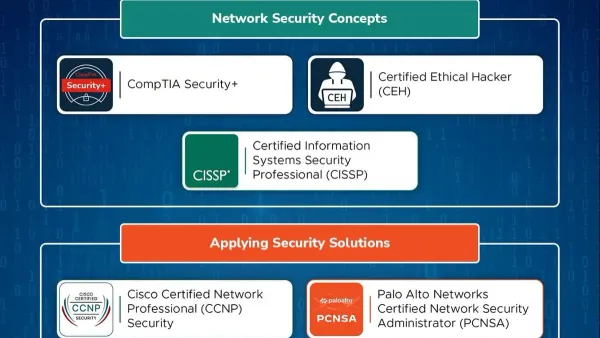
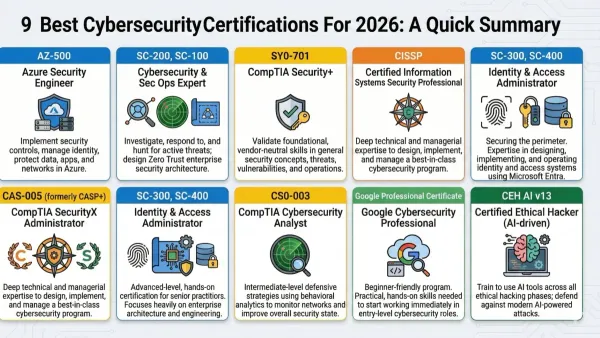
| Certified Information Systems Security Professional (CISSP) | Experienced cybersecurity professionals seeking foundational knowledge | Widely recognized with comprehensive coverage | Requires significant prior experience and study |
| Certified Ethical Hacker (CEH) | Those wanting practical insight into attack tactics | Focuses on offensive security techniques | Less emphasis on sales or business alignment |
| Certified Information Security Manager (CISM) | Professionals aligning security with business goals | Strong governance and management focus | More strategic than technical, may lack sales content |
| Cisco Certified CyberOps Associate | Individuals working with Cisco security operations | Vendor-specific operational expertise | Limited to Cisco environments |
| Salesforce Certified Sales Engineer | Sales engineers focusing on Salesforce solutions | Directly develops sales engineering skills | Salesforce-centric, less cybersecurity depth |
| Certified Information Systems Auditor (CISA) | Those interested in compliance and audit processes | Strong in audit and risk frameworks | Less technical security coverage |
| GIAC Security Sales Professional (GSSP) | Cybersecurity sales professionals seeking a specialized credential | Combines security knowledge with sales focus | Relatively new, less widespread recognition |
Tip: Reviewing a certification’s exam topics and prerequisites alongside current job listings can help confirm its relevance to a cybersecurity sales engineer role in 2026.
Certified Information Systems Security Professional (CISSP) for foundational cybersecurity knowledge
The CISSP is a widely recognized, vendor-neutral certification that covers a comprehensive range of cybersecurity domains, including security principles, risk management, and security architecture. It is designed to validate advanced technical knowledge across various aspects of cybersecurity, providing a solid foundation that supports informed discussions in sales engineering roles.
This certification suits experienced professionals who want to demonstrate credible technical expertise in cybersecurity to strengthen their sales conversations and establish trust with clients. Typically, candidates need a minimum of five years of relevant work experience in security domains before qualifying to take the rigorous CISSP exam.
One concrete strength of the CISSP is its broad industry recognition, which often leads employers to prefer candidates with this credential for roles that require deep cybersecurity understanding. CISSP holders in sales engineering positions tend to command competitive salaries, reflecting the value placed on their validated expertise.
An honest drawback is that the CISSP content is less focused on sales skills or client engagement, emphasizing technical mastery over sales-specific knowledge. This means professionals may need to complement CISSP with other certifications to fully cover the sales engineering skill set.
Certified Ethical Hacker (CEH) for practical security attack understanding
The Certified Ethical Hacker (CEH) certification centers on penetration testing, identifying system vulnerabilities, and understanding hacking methodologies. It provides sales engineers with a hands-on perspective of how attackers operate, which helps in positioning security products more convincingly.
This certification suits sales engineers aiming to demonstrate technical proficiency in threat scenarios during client interactions. With CEH knowledge, they can effectively conduct demonstrations that mimic real-world attack vectors and address client objections by explaining how solutions counter specific hacking techniques.
A key strength of CEH is its focus on offensive security skills, allowing sales engineers to grasp the attacker's mindset. This insight is valuable when explaining the necessity and functionality of security measures to technically informed customers.
The main drawback is CEH’s technical and offensive emphasis, which provides limited training on sales strategies or solution architecture. Sales engineers might need to supplement it with certifications that focus on sales or broader cybersecurity management to cover those aspects.
Certified Information Security Manager (CISM) for aligning security and business goals
The Certified Information Security Manager (CISM) certification emphasizes security strategy, governance, and risk management rather than technical execution. It is designed to validate expertise in managing and governing an enterprise's information security program, making it relevant for cybersecurity sales engineers who engage with organizational decision-makers.
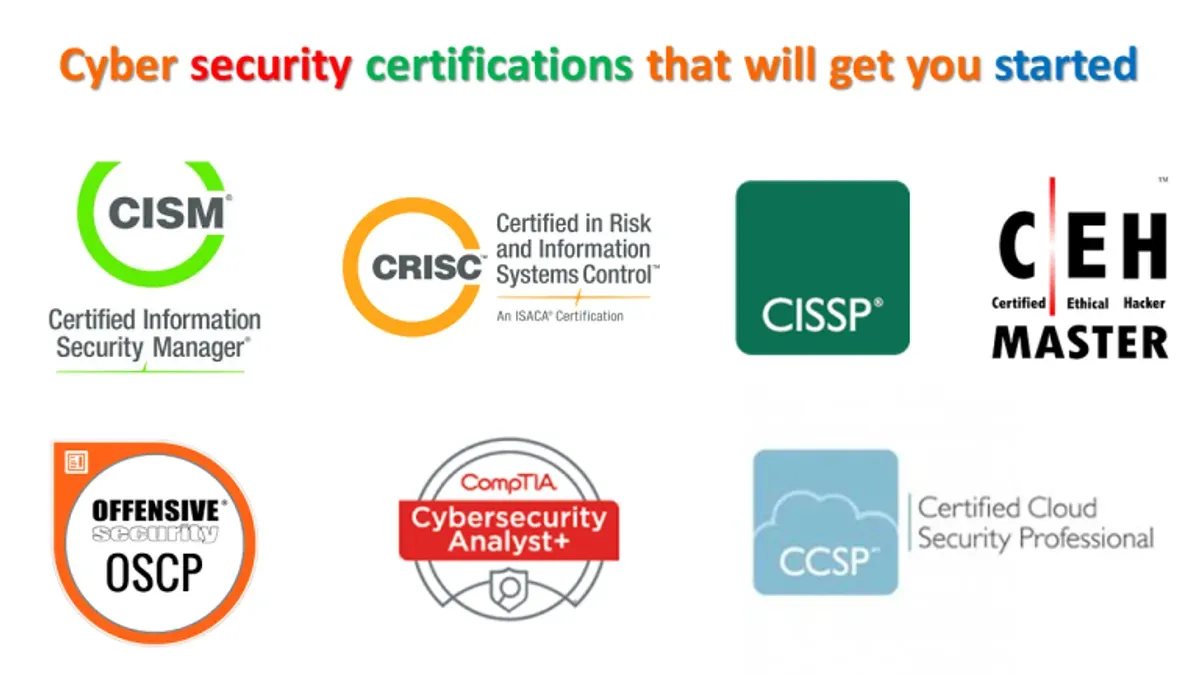
This certification suits sales engineers focused on enterprise clients where aligning security initiatives with broader business objectives is crucial. Professionals holding CISM demonstrate an understanding of how security supports business goals, enabling more effective communication with executives and influencing long sales cycles.
A key strength of CISM is its focus on governance frameworks and risk management processes, which helps sales engineers position security solutions as strategic investments rather than mere technical tools. For example, sales engineers have leveraged CISM knowledge to navigate complex procurement processes by addressing compliance and risk concerns raised by enterprise stakeholders.
The main drawback is that CISM requires managerial experience, which may exclude less-experienced sales engineers. Additionally, it offers less technical depth compared to certifications focused on hands-on security skills, potentially limiting its direct usefulness in highly technical product discussions.
Cisco Certified CyberOps Associate for vendor-specific operational expertise
The Cisco Certified CyberOps Associate is an entry-level certification focused on cybersecurity operations and monitoring within Cisco environments. It covers essential skills like security monitoring, incident response, and the use of Cisco security technologies such as Cisco Secure Endpoint and Cisco Secure Network Analytics.
This certification suits cybersecurity sales engineers who regularly engage with Cisco products or customers prioritizing operational security. Sales engineers working with Cisco’s security portfolio can leverage this credential to demonstrate a solid understanding of how Cisco solutions detect and respond to threats, enhancing credibility during technical sales discussions.
One clear strength of this certification is its alignment with Cisco’s significant market presence in enterprise network security, where Cisco holds a strong share in firewall, endpoint protection, and network monitoring. Understanding Cisco’s operational security tools helps sales engineers tailor pitches to client environments already invested in Cisco infrastructure.
The main drawback is its vendor-specific nature, which limits its applicability outside Cisco-focused contexts. Sales engineers whose roles involve diverse vendor environments may find this certification less valuable than broader, vendor-neutral credentials.
Tip: Pairing Cisco CyberOps with vendor-neutral certifications can balance operational expertise with wider cybersecurity knowledge.
Salesforce Certified Sales Engineer for mastering sales engineering skills
The Salesforce Certified Sales Engineer credential targets professionals seeking to excel in the sales engineering process, focusing on solution demonstrations, client communication, and aligning product capabilities to customer needs. It emphasizes skills crucial for effectively positioning solutions during complex sales cycles.
This certification suits cybersecurity sales engineers aiming to sharpen their sales-specific skills alongside their technical expertise. It helps bridge the gap between technical knowledge and client-facing sales functions, enhancing the ability to translate cybersecurity solutions into clear business value.
A key strength of the Salesforce Certified Sales Engineer certification is its focus on practical sales engineering techniques, including presentation skills and managing stakeholder expectations. According to industry feedback, individuals holding this certification often report improved confidence and effectiveness in client engagement and solution selling.
The primary drawback is that it is not cybersecurity-specific. Consequently, it requires pairing with technical certifications to provide the necessary cybersecurity depth. Without complementary technical credentials, it may not fully satisfy the specialized knowledge demands of cybersecurity sales engineering roles.
Certified Information Systems Auditor (CISA) for understanding compliance and audits
The Certified Information Systems Auditor (CISA) certification focuses on information systems auditing, control, and assurance. It is designed to validate expertise in assessing an organization's IT and business systems, ensuring they meet regulatory and internal control requirements.
This certification suits cybersecurity sales engineers who work with clients in heavily regulated industries such as finance, healthcare, and government. In these sectors, sales engineers often face detailed questions about compliance frameworks like HIPAA, SOX, or GDPR, and CISA equips them to address these effectively.
A key strength of the CISA is its emphasis on auditing processes and regulatory compliance, enabling sales engineers to confidently discuss client concerns regarding risk assessments, control effectiveness, and audit readiness. For example, a sales engineer with CISA knowledge can explain how a cybersecurity solution supports continuous monitoring to satisfy audit requirements.
The main drawback is that CISA has limited focus on technical security controls and does not cover sales skills, so it should be combined with more technical and sales-oriented certifications to provide a balanced skill set.
GIAC Security Sales Professional (GSSP) for a sales-focused cybersecurity credential
The GIAC Security Sales Professional (GSSP) certification is a specialized credential designed specifically for professionals selling cybersecurity solutions. It bridges the gap between technical cybersecurity knowledge and sales acumen, targeting security sales engineers who need to articulate complex security products effectively to clients.
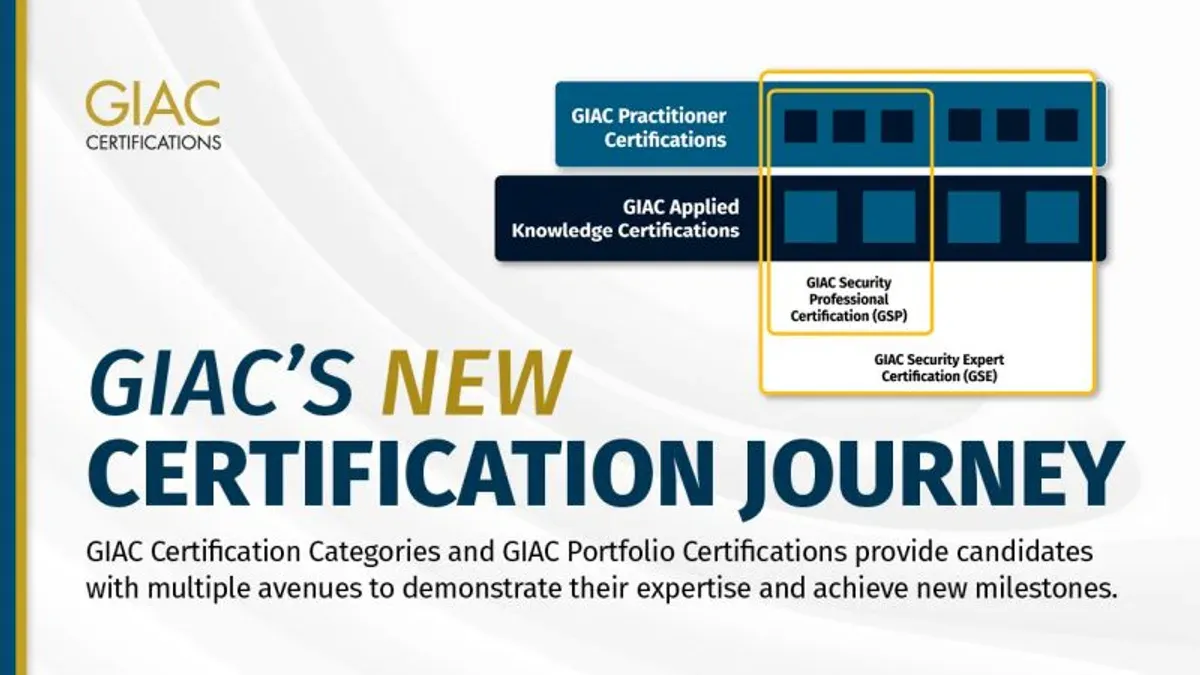
This certification suits cybersecurity sales engineers seeking a dedicated blend of sales and security expertise. Unlike broader certifications, GSSP focuses on the nuances of cybersecurity product sales, including understanding customer pain points, technical product features, and competitive positioning.
A concrete strength of the GSSP is its tailored curriculum, which aligns closely with the responsibilities of security sales roles, enhancing credibility with both technical teams and clients. However, a notable drawback is its relatively lower recognition compared to certifications like CISSP or CEH. Employer demand and job postings frequently highlight those more established certifications, making GSSP a niche option that may require pairing with broader credentials.
Pass rates for the GSSP exam tend to reflect its specialized focus, generally accessible to candidates with a solid foundation in both sales and cybersecurity. Yet, its limited industry visibility means it is best pursued by those committed to a sales-engineering career path within cybersecurity.
Certifications to avoid or combine carefully
Purely technical certifications such as CompTIA Security+ often appeal to entry-level cybersecurity professionals. They provide foundational knowledge suitable for hands-on technical roles but lack the sales and strategic context essential for cybersecurity sales engineers. Industry feedback indicates these certifications alone rarely match the hybrid demands seen in relevant job postings.
Sales-only certifications like the Certified Professional Sales Person (CPSP) suit professionals focused purely on sales techniques and client management. While strong in sales methodology, they offer minimal cybersecurity insight, which limits their standalone value for sales engineers in this niche.
Combining certifications is crucial. For example, pairing a technical certification such as Security+ or Cisco CCNA Security with a sales-focused credential like the Salesforce Certified Sales Engineer can address both technical and sales competencies effectively. This approach aligns better with employer expectations, as seen in job descriptions emphasizing dual expertise.
Certifications such as Project Management Professional (PMP) or general IT certifications like ITIL, while valuable in broader contexts, do not directly enhance cybersecurity sales engineering capabilities and should be considered supplementary rather than core qualifications.
Tip: Evaluate certifications for their combined ability to bridge cybersecurity knowledge and sales skills before pursuing them individually.
Further reading
- Best Certifications for Cybersecurity Project Managers in 2026
- Best Certifications for Cyber Threat Hunters in 2026
- Top Certifications for Cyber Intelligence Officers in 2026
- Best Certifications for AI Security Researchers in 2026
Frequently asked questions
Which certification is best for beginners in cybersecurity sales engineering?
For beginners, the Cisco Certified CyberOps Associate offers a solid introduction to cybersecurity operations with a vendor-specific focus that eases entry into the field. Additionally, the Salesforce Certified Sales Engineer certification helps build foundational sales engineering skills relevant to cybersecurity contexts, making these two certifications suitable starting points.
How important is vendor-specific certification for a cybersecurity sales engineer?
Vendor-specific certifications like Cisco Certified CyberOps Associate and Salesforce Certified Sales Engineer are valuable as they demonstrate expertise in specific tools and platforms commonly used in cybersecurity sales. They complement broad cybersecurity knowledge by providing practical operational insights and sales strategies tailored to particular technologies, which can be crucial for client trust and successful engagements.
Can sales professionals without a technical background succeed with these certifications?
Sales professionals without a technical background can succeed by focusing on certifications that blend sales and cybersecurity knowledge, such as the Salesforce Certified Sales Engineer and GIAC Security Sales Professional (GSSP). However, obtaining foundational cybersecurity certifications like CISSP or CEH may require additional study to develop the necessary technical understanding.
How often should cybersecurity sales engineers update their certifications?
Cybersecurity sales engineers should renew certifications according to each program’s requirements, typically every two to three years. Staying current ensures alignment with evolving cybersecurity threats, technologies, and sales practices, maintaining credibility and effectiveness in the role.
What this advice does not cover
This article does not cover certifications designed exclusively for purely technical cybersecurity roles or for pure sales positions; it specifically targets the hybrid role of cybersecurity sales engineers who require a blend of both skill sets. Professionals focused solely on hands-on security operations, penetration testing, or dedicated sales without technical responsibilities may find other certifications more relevant.
The single most useful next step for those pursuing this hybrid path is to identify which certifications best match their current expertise gaps and career objectives, then plan a structured study and exam timeline. Prioritizing certifications that bridge technical knowledge with sales proficiency will optimize credibility and effectiveness in the cybersecurity sales engineer role.