Vulnerability Analyst Interview Questions: What to Expect and How to Prepare
This guide covers key vulnerability analyst interview questions and preparation tips to help cybersecurity professionals succeed.

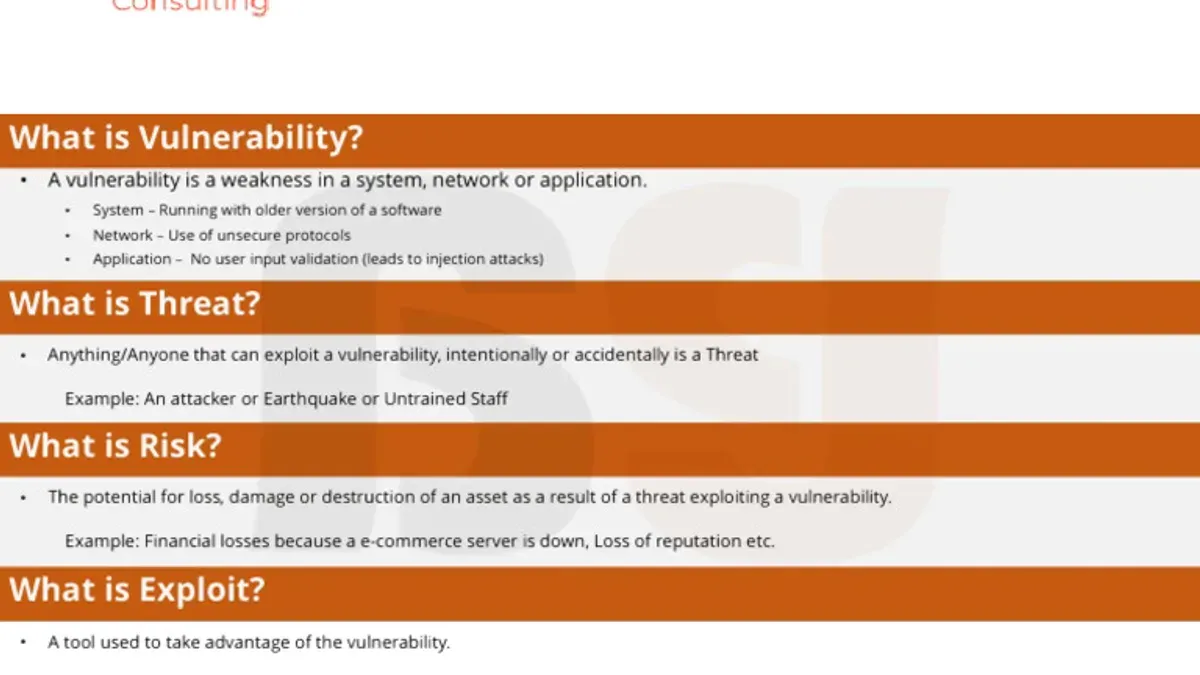
This article offers a comprehensive guide to vulnerability analyst interview questions, providing cybersecurity professionals with insights into core concepts, assessment techniques, and career preparation strategies.
Vulnerability analysis plays a critical role in identifying security weaknesses within systems before they can be exploited. Understanding how to perform and interpret vulnerability assessments is essential for candidates aspiring to enter or advance in this field. Typical interview questions often cover technical skills such as scanning tools usage, risk prioritization, and reporting, as well as scenario-based problem solving that reflects real-world challenges.
By combining foundational knowledge with practical advice and examples, this guide supports both entry-level and experienced candidates in preparing thoroughly for their interviews and making informed career decisions.
What is a vulnerability analysis and why it matters
Vulnerability analysis is the systematic process of identifying security weaknesses within an organization's information systems, networks, and applications. It plays a crucial role in cybersecurity by uncovering potential entry points for attackers before they can be exploited. Unlike vulnerability assessment, which generally refers to the broader evaluation and prioritization of identified vulnerabilities, vulnerability analysis specifically focuses on the detection and detailed examination of these weaknesses.
This analysis supports overall vulnerability management by informing risk mitigation strategies and strengthening the organization's security posture. For example, a vulnerability analyst might use tools like Nessus, OpenVAS, or Qualys to scan network devices and servers, identifying outdated software or misconfigurations that could lead to breaches.
Consider a mid-sized company that identified a critical vulnerability in its web application through analysis; by promptly patching it, the company avoided a potential data breach. Organizations that implement comprehensive vulnerability analysis often reduce their risk exposure significantly.
| Aspect | Vulnerability Analysis | Vulnerability Assessment |
|---|---|---|
| Primary Focus | Identifying and examining security weaknesses | Evaluating and prioritizing vulnerabilities |
| Scope | Specific vulnerabilities and their nature | Overall risk impact and management |
| Outcome | Detailed vulnerability reports | Risk mitigation plans |
Tip: Using multiple tools and cross-verifying findings increases the accuracy of vulnerability analysis.
How to perform a vulnerability assessment
Performing a vulnerability assessment begins with planning and scoping, which defines the target environment and assessment boundaries. For example, an analyst might focus on the corporate network segment hosting sensitive customer data, specifying IP ranges and system types to include.
Next, information gathering and asset identification involve cataloging hardware, software, and network devices. Tools like Nmap can help discover live hosts and open ports, providing a comprehensive inventory.
The assessment then combines automated scanning and manual testing. Popular tools such as Nessus or OpenVAS scan for known vulnerabilities, outputting detailed reports indicating issues like outdated software versions or misconfigurations. Manual techniques, like testing for weak authentication or business logic flaws, complement automated findings.
After gathering data, vulnerabilities are analyzed and prioritized based on risk factors including exploitability, impact, and asset criticality. For instance, a publicly exposed server running unpatched critical software receives higher priority than an internal system with minor low-severity issues.
Finally, findings are documented in a report detailing each vulnerability, its risk level, and actionable remediation steps. A sample output from Nessus might show a critical CVE with a description, affected hosts, and recommended patches. This structured approach ensures that remediation efforts focus on the most pressing threats first.
Tip: Including clear risk ratings and remediation guidance in the report helps stakeholders understand and act on vulnerabilities effectively.
How to conduct a vulnerability assessment effectively
Effective vulnerability assessments require comprehensive coverage of all assets, including endpoints, servers, cloud environments, and network devices. Overlooking any asset can leave critical weaknesses undetected, as demonstrated in a reported case where a missed IoT device led to a breach involving sensitive corporate data.
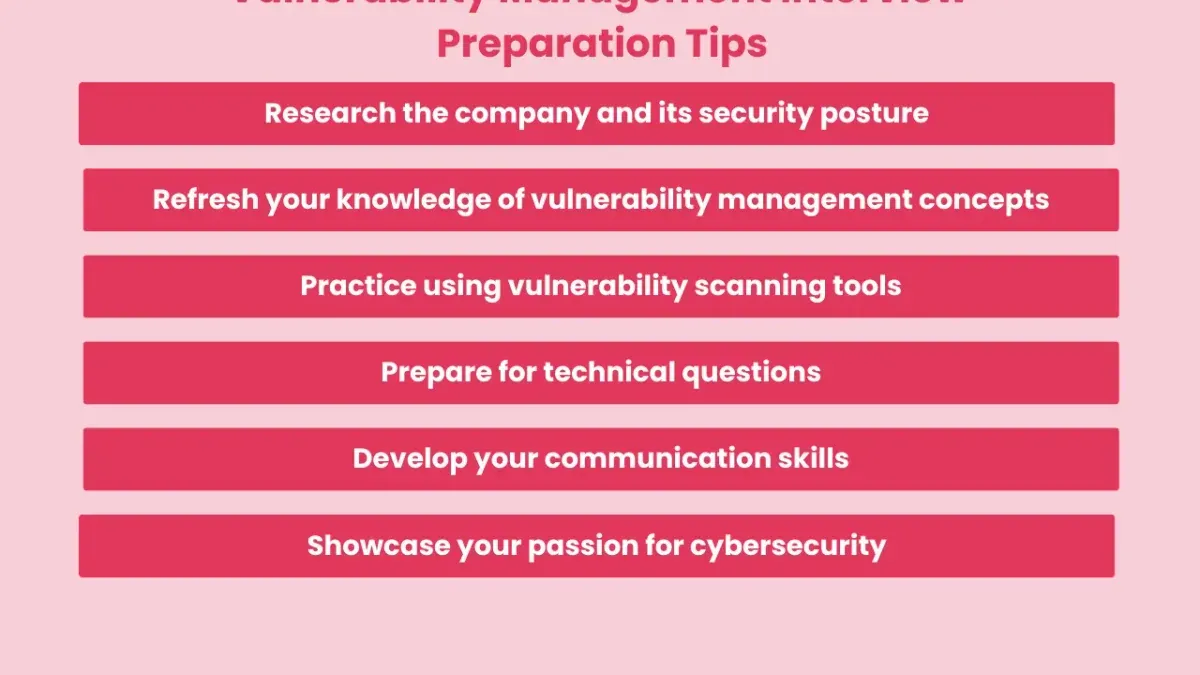
Balancing automated scanning tools with manual verification is crucial. Automated scanners provide broad coverage but often generate false positives, which can constitute a significant portion of alerts. Manual analysis helps validate findings and reduce false negatives, ensuring real vulnerabilities are not missed.
Maintaining up-to-date vulnerability databases and tools is essential for detecting the latest threats. Tools like Nessus and OpenVAS require frequent updates to their signatures and plugins to remain effective.
Collaboration with IT and security teams throughout the assessment process facilitates timely remediation and reduces operational friction. Jointly reviewing scan results and prioritizing fixes based on risk helps streamline response efforts.
Tip: Use a layered approach combining automated scans, manual validation, and continuous tool updates to improve accuracy and coverage.
How to become a vulnerability analyst
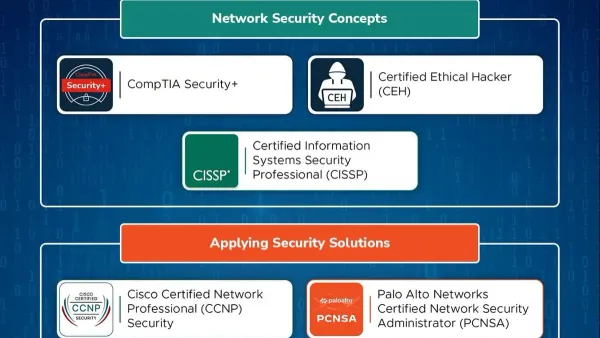
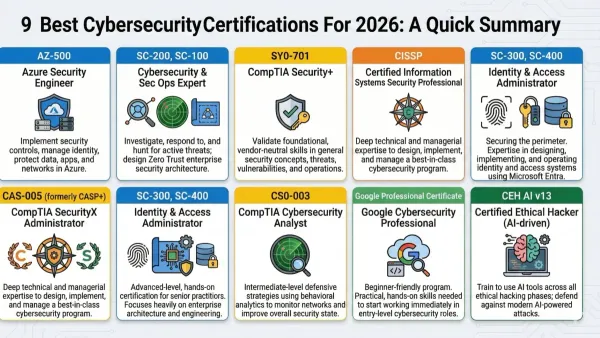
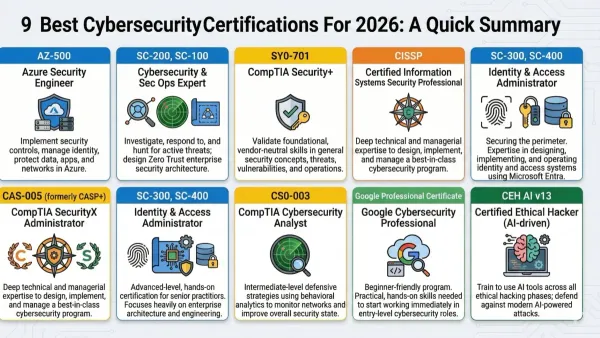
Entering the field of vulnerability analysis typically requires a foundation in computer science, information technology, or cybersecurity. Industry-recognized certifications such as CompTIA Security+, Certified Ethical Hacker (CEH), or Offensive Security Certified Professional (OSCP) often enhance job prospects and demonstrate relevant expertise.
Key technical skills include proficiency in network protocols, operating systems (especially Linux and Windows), scripting languages like Python, and familiarity with vulnerability scanning tools such as Nessus or OpenVAS. Equally important are soft skills like analytical thinking, attention to detail, and clear communication for reporting findings effectively.
A common career path begins with roles like security analyst or junior penetration tester, progressing to specialized vulnerability analyst positions and potentially to security architect or risk management roles. For example, a cybersecurity graduate might start at an entry-level analyst position, gain hands-on experience through bug bounty programs or labs, and then earn certifications to advance.
Tip: Participating in Capture The Flag (CTF) competitions and contributing to open-source security projects can provide practical experience valued by employers.
Salary ranges vary by region and experience but generally reflect a growing demand for vulnerability analysts, with competitive compensation relative to other cybersecurity roles. Keeping up with evolving threats and technologies through continuous learning is essential for career advancement.
Common vulnerability analyst interview questions and how to answer them
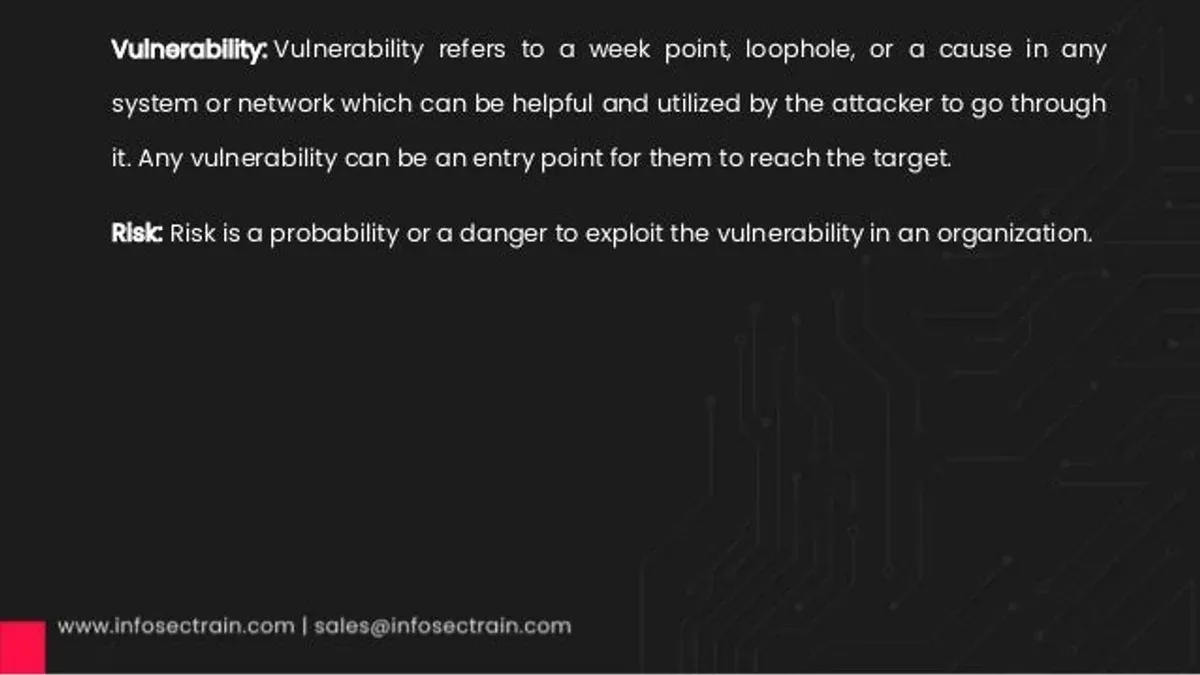
Interviews for vulnerability analyst roles often include a mix of technical, behavioral, and scenario-based questions. Technical questions typically explore familiarity with vulnerability concepts and tools, such as explaining the differences between vulnerability scanning and penetration testing or describing how to use tools like Nessus or OpenVAS. A strong answer specifies tool features and practical application, while a weak response might remain vague or theoretical.
Behavioral questions assess problem-solving, communication, and teamwork skills. For example, candidates may be asked how they handled a difficult stakeholder during a security assessment. Effective answers follow a clear structure, describing the situation, actions taken, and outcome, demonstrating professionalism and adaptability.
Scenario-based questions simulate real challenges, such as prioritizing vulnerabilities when faced with limited remediation resources. A concrete example is being asked how to address a critical vulnerability discovered during a scan when patching immediately is not possible. The best answers discuss risk assessment, temporary mitigation controls, and clear communication with stakeholders.
Tip: Structure answers using the STAR method (Situation, Task, Action, Result) to provide clear and confident responses.
Understanding these question types and preparing specific examples helps candidates demonstrate both technical proficiency and interpersonal skills.
Mistakes to avoid in vulnerability analyst interviews and assessments
One common error candidates make is overreliance on automated scanning tools without fully understanding the output. For example, simply listing vulnerabilities from a Nessus scan without verifying false positives or contextualizing risk can lead to inaccurate assessments. Interview feedback often highlights candidates who cannot explain how they validate or prioritize findings beyond tool reports.
Failing to prioritize vulnerabilities by risk is another frequent mistake. Candidates sometimes treat all identified issues as equally urgent, missing the critical step of evaluating exploitability and potential impact on business assets. This gap can be demonstrated in assessments where a low-severity informational alert is escalated over a high-severity remote code execution vulnerability.
Inadequate communication of findings and recommendations also undermines effectiveness. Candidates may present technical details without translating them into clear, actionable advice for non-technical stakeholders or decision-makers, which interviewers often flag as a weakness.
Lack of up-to-date knowledge about the current threat landscape can surface during interviews, especially when candidates cannot discuss recent vulnerabilities, attack techniques, or mitigation strategies relevant to the role.
Ignoring continuous learning and certifications limits career growth. Interviewers frequently note when candidates show outdated skills or no engagement with evolving industry standards.
Tip: Prepare examples demonstrating how vulnerabilities were validated, prioritized, and communicated to diverse audiences to avoid these pitfalls.
Further reading
- How to Stop Brute Force Login Attacks on WordPress: A Step-by-Step Guide
- Shield Security Review 2026: Real-World Protection for WordPress Sites
- Solid Security Review 2026: Real-World Effectiveness for SMBs and Agencies
- Patchstack Review 2026: Real-World Security Impact for WordPress Users
Frequently asked questions
What is vulnerability management interview questions typically like?
Vulnerability management interview questions commonly focus on understanding a candidate's knowledge of vulnerability scanning tools, risk assessment methodologies, and remediation processes. Candidates may be asked to explain how they prioritize vulnerabilities, describe past experiences with patch management, or demonstrate familiarity with frameworks like CVSS (Common Vulnerability Scoring System).
What are vulnerability analyst jobs in the last week showing about demand?
Recent job postings for vulnerability analysts often indicate steady demand, particularly within sectors like finance, healthcare, and government. Employers typically seek candidates with hands-on experience in vulnerability assessment tools and a strong grasp of cybersecurity best practices, reflecting ongoing organizational emphasis on proactive security measures.
Can vulnerability analyst roles be part time and what to expect?
Part-time vulnerability analyst positions exist but are less common than full-time roles due to the continuous nature of vulnerability monitoring and response. Part-time roles may focus on specific projects or support functions, requiring flexibility and strong time management to handle prioritized tasks effectively.
What is the average vulnerability assessment analyst salary?
Salaries for vulnerability assessment analysts vary depending on location, experience, and industry. Entry-level positions typically offer moderate compensation, while analysts with specialized skills or certifications can expect higher salaries, reflecting their ability to manage complex assessments and contribute to organizational security strategies.
What does a vulnerability analyst career path look like?
A vulnerability analyst often begins in entry-level security roles, advancing through hands-on experience with vulnerability scanning and remediation. Career progression may lead to senior analyst roles, security engineering, or specialized positions such as penetration testing and security architecture, supported by certifications and continued skill development.
Limits of this guidance and when to seek other resources
This article does not cover advanced penetration testing techniques or certifications focused exclusively on that area. Professionals aiming to specialize deeply in exploit development or ethical hacking may need dedicated resources tailored to those skills. Additionally, salary and job market data can vary significantly by region and company size, so consulting localized and up-to-date sources is recommended for accurate career planning. Interview questions and hiring practices may differ widely between organizations and industries, meaning preparation should also be customized accordingly.
The most useful next step is to gain hands-on experience through practical labs or entry-level vulnerability assessment projects. This direct engagement helps reinforce theoretical knowledge and builds confidence in articulating methods and findings during interviews, providing a distinct advantage over candidates with only textbook understanding.