Can Hackers Hack Your Phone Through Bluetooth? What You Need to Know
This article explains if hackers can hack your phone through Bluetooth and how to stay protected from potential security risks.

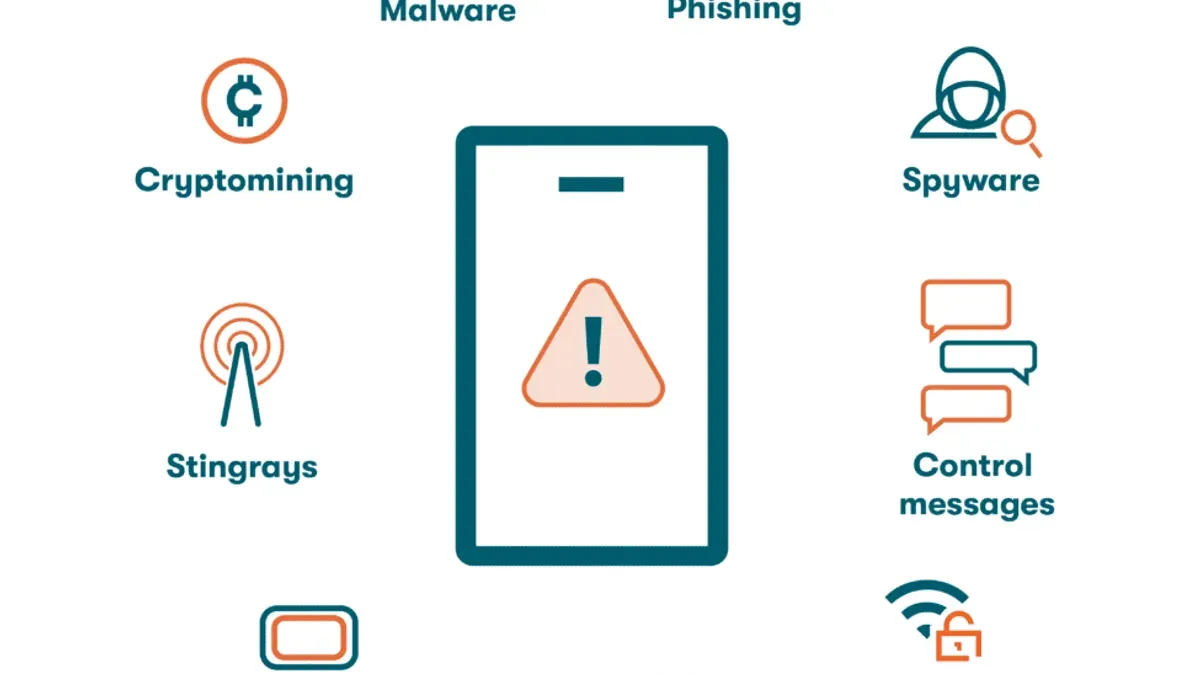
This article explains whether hackers can hack your phone through Bluetooth and what that means for everyday smartphone users. Bluetooth technology enables wireless connections between devices like phones and headphones, but it also introduces potential security risks.
While Bluetooth hacking is technically possible, it requires close proximity and specific vulnerabilities. Common scenarios include attackers exploiting outdated software or weak pairing methods to intercept data or gain unauthorized access. However, most users face low risk if they follow basic security practices.
Understanding the realistic threat level versus common misconceptions helps users protect their devices effectively without unnecessary worry.
Can hackers hack your phone through Bluetooth?
Yes, hackers can potentially hack a phone through Bluetooth, but successful attacks require close physical proximity and specific conditions. Bluetooth vulnerabilities, such as BlueBorne and other protocol exploits, have been documented and allow attackers to bypass pairing or intercept data.
Modern smartphones incorporate multiple security features—like mandatory user approval for pairing, encryption of Bluetooth connections, and regular software updates—that substantially reduce the risk of hacking. However, exploits still exist, especially if the device’s Bluetooth is left in discoverable mode or running outdated firmware.
Reported Bluetooth hacking incidents remain relatively rare and generally target high-value individuals or organizations rather than everyday users. Typical attack vectors include unauthorized device pairing, man-in-the-middle interception during data transfer, and exploiting bugs in the Bluetooth stack of the operating system.
Security varies across phone models and operating systems; for example, recent Android and iOS versions have improved protections like Secure Simple Pairing and privacy-enhancing features that limit exposure. Despite this, no Bluetooth implementation is completely immune, so cautious use is advisable.
Can someone hack your phone through Bluetooth headphones?
Bluetooth headphones themselves rarely serve as a direct entry point for hackers to access a phone. Their limited functionality and simple firmware usually present a smaller attack surface compared to smartphones or other connected devices. However, vulnerabilities in headphone firmware or pairing protocols can be exploited under very specific and targeted conditions.
For example, some older models of Bluetooth audio devices have had firmware flaws that allowed attackers to intercept audio streams or gain limited device control. In rare cases, these exploits could be used as a bridge to the paired phone, but such attacks require close proximity and technical expertise. These are not widespread threats and typically demand the attacker to be nearby during the connection or pairing process.
Maintaining updated firmware on Bluetooth headphones is essential because manufacturers occasionally release patches for security holes. Additionally, controlling pairing permissions—such as disabling pairing mode when not needed and avoiding pairing in public places—reduces exposure to unauthorized connections.
Overall, while Bluetooth headphones are not a common hacking vector, ignoring firmware updates or careless pairing habits can increase risk. The complexity and rarity of headphone-to-phone exploits make them less of a practical threat compared to other attack avenues.
Tip: Periodically check for firmware updates for Bluetooth headphones via the manufacturer’s app or website to ensure the latest security protections are applied.
Is Bluetooth safe from hackers?
Bluetooth technology is generally safe for everyday use but not completely immune to hacking. The Bluetooth protocol incorporates encryption and authentication mechanisms designed to protect data during transmission, such as Secure Simple Pairing (SSP) and AES-128 encryption. However, these measures are not foolproof and can be undermined if devices run outdated software or have insecure settings.
Device settings, user behavior, and maintaining up-to-date software are critical factors in ensuring Bluetooth security. For example, keeping Bluetooth turned off when not in use, avoiding pairing in public or unsecured environments, and promptly installing updates that patch known vulnerabilities significantly reduce risks. Many users do not regularly update firmware or check device permissions, leaving openings for attackers.
Common myths exaggerate the ease of hacking through Bluetooth, often suggesting that attackers can remotely access phones or data effortlessly from a distance. In reality, most Bluetooth hacking attempts require close physical proximity, specialized tools, and favorable conditions. Expert assessments describe the risk as credible but relatively low for typical users who follow basic security hygiene.
Tip: Regularly check and install firmware updates for all Bluetooth devices, including headphones and wearables, to maintain the strongest security posture.
How to prevent Bluetooth hacking
Preventing Bluetooth hacking involves proactive management of device settings and behaviors. The first step is to turn off Bluetooth when it is not needed, which reduces the window of vulnerability. For example, on iPhones, swipe down to open Control Center and tap the Bluetooth icon to disable it; on Android devices, use the Quick Settings panel to toggle Bluetooth off.
Avoid pairing devices in public places to prevent unauthorized access attempts. When pairing is necessary, use device settings to limit visibility: on iPhones, go to Settings > Bluetooth and ensure the device is not discoverable unless actively pairing; on Android, navigate to Settings > Connected devices > Connection preferences > Bluetooth and adjust visibility accordingly.
Keep device software and Bluetooth firmware up to date by installing official updates promptly. Both iOS and Android regularly release patches that address security vulnerabilities related to Bluetooth. Regular updates close exploitable gaps known to hackers.
Monitor paired devices regularly. On iPhones, under Settings > Bluetooth, review the list of paired devices and remove any unfamiliar ones by tapping the info icon and selecting Forget This Device. Android users can find paired devices under Settings > Connected devices and unpair suspicious connections. This habit prevents unauthorized devices from maintaining access.
Tip: Enabling authentication features like PIN codes or confirmation prompts during pairing adds an extra layer of protection.
How to secure your phone from hackers beyond Bluetooth
Securing a phone from hackers requires a comprehensive approach beyond just Bluetooth precautions. Strong device passwords or biometric locks like fingerprint or facial recognition provide a crucial first line of defense against unauthorized access.

Installing reputable security apps and avoiding downloads from suspicious sources help protect against malware and other threats. Many hacks occur through malicious apps rather than wireless vulnerabilities.
Regularly updating the operating system and apps closes security loopholes that hackers exploit. System updates often include patches for known vulnerabilities unrelated to Bluetooth.
Phishing and social engineering attacks remain some of the most common hacking methods. Users should be vigilant about unsolicited messages requesting sensitive data or urging installation of unknown software.
Expert recommendations often emphasize a layered security approach, combining strong authentication, cautious app management, consistent updates, and user awareness to minimize hacking risks effectively.
Tip: Enable automatic updates in settings under System > Advanced > System update and review app permissions regularly in Apps & notifications > App permissions.
Further reading
- Types of Cyber Attacks: A Comprehensive Explainer Guide
- How to Set Up UFW Firewall on Linux: A Step-by-Step Guide
Frequently asked questions
Can my phone be hacked through bluetooth?
While it is technically possible for a phone to be hacked through Bluetooth, the risk for most users is low if Bluetooth is kept off when not in use and devices are paired securely. Hackers typically need to be in close proximity and exploit vulnerabilities in outdated software or poorly secured connections.
Can someone hack me through bluetooth?
Yes, a hacker could potentially access a device through Bluetooth if it is discoverable and paired with unknown devices. However, modern smartphones have improved security measures that prevent unauthorized connections and limit access to sensitive data.
What is bluetooth hacking?
Bluetooth hacking involves exploiting weaknesses in Bluetooth connections to gain unauthorized access, intercept data, or control a device. Common methods include bluejacking, bluesnarfing, and bluebugging, which vary in complexity and the level of access obtained.
Can someone hack into my phone?
Phones can be hacked through various methods, including malicious apps, phishing, or insecure network connections, with Bluetooth being one potential but less common vector. Maintaining updated software and cautious pairing practices significantly reduces this risk.
Can hackers hack your iphone?
Hackers can target iPhones, but Apple’s regular security updates and strict app controls make successful hacks challenging. Vulnerabilities sometimes exist, but they generally require sophisticated techniques or user interaction, such as installing a malicious app or clicking on a harmful link.
Limits of this advice and who needs more advanced protection
This article does not cover advanced state-sponsored attacks which may use more sophisticated methods beyond typical Bluetooth vulnerabilities. Users facing targeted threats or working with highly sensitive data should consult cybersecurity professionals for tailored defense strategies. Basic Bluetooth security measures help most everyday users but are insufficient against highly skilled adversaries with specialized tools.
For most smartphone users, the single most effective next step is to regularly review and adjust Bluetooth settings: keep Bluetooth off when not in use, set devices to non-discoverable mode, unpair unused devices, and apply software updates promptly. These actions significantly reduce exposure to common Bluetooth hacking risks without sacrificing usability.