Best Certifications for Cybersecurity Project Managers in 2026
Explore the best certifications for cybersecurity project managers to boost expertise and meet 2026 industry demands effectively.

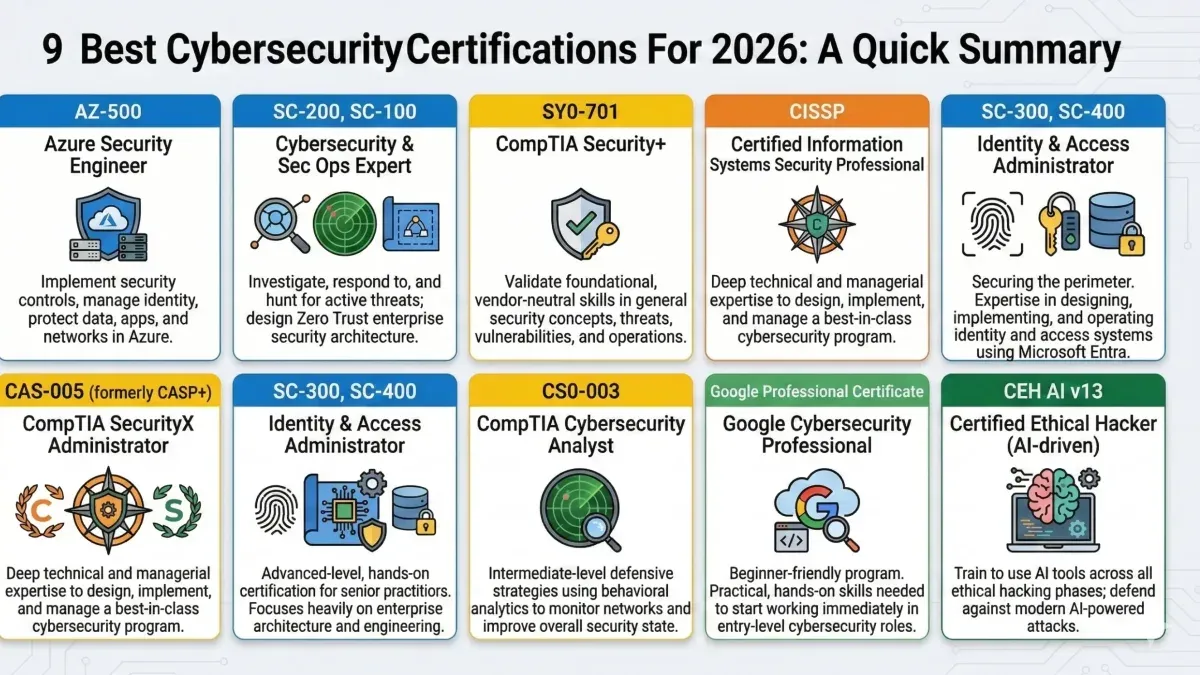
This article ranks the best certifications for cybersecurity project manager roles in 2026, focusing on credentials that combine cybersecurity knowledge with project management expertise. As organizations increasingly prioritize security in their projects, professionals need certifications that bridge these disciplines effectively. The list highlights certifications that suit mid-level cybersecurity practitioners and project managers aiming to advance or transition, helping them align choices with career goals and industry demands.
Certifications vary in emphasis—from technical cybersecurity skills to traditional project management methodologies—so understanding what each offers is crucial. This guide provides clarity on the most relevant certifications, preparing candidates to select the ones that enhance their credentials and readiness for cybersecurity project management challenges.
How we chose the best certifications for cybersecurity project managers
The selection process focused on certifications that demonstrate a balanced expertise in both cybersecurity and project management, reflecting the demands of 2026’s job market. Industry recognition and employer demand were assessed through job posting analysis and market data, identifying certifications frequently requested by employers hiring cybersecurity project managers.
Each certification was evaluated for its technical depth in cybersecurity alongside project management competencies, ensuring relevance to the hybrid role. Accessibility factors included prerequisites such as required experience or prior certifications, alongside the certification’s cost and renewal requirements, which impact long-term value.
Alignment with current cybersecurity project challenges and frameworks was considered, emphasizing certifications that address evolving risks, compliance mandates, and agile project environments.
For example, a certification requiring extensive prior cybersecurity experience suits mid-level professionals seeking advanced specialization, with a strength in comprehensive technical coverage but a drawback in limited accessibility for newcomers. Another certification with broader prerequisites serves professionals transitioning from traditional project management roles, offering practical methodology integration but potentially less cybersecurity depth. Cost-effective certifications with annual renewals appeal to those prioritizing budget and ongoing professional development, though renewal requirements can be time-consuming. Certifications aligned with modern frameworks like NIST or CIS Controls provide up-to-date relevance but may necessitate continuous education to maintain.
Tip: When comparing certifications, consider how prerequisites and renewal commitments fit personal career timelines and goals.
What certification should I get for project management in cybersecurity?
The choice of certification depends on the candidate's current role, career goals, and desired balance between cybersecurity and project management expertise. Here is a ranking of top certifications suited for cybersecurity project managers in 2026.
Certified Information Systems Security Professional (CISSP) with PMP complement
What it is: CISSP is a globally recognized certification focusing on cybersecurity management, risk, and architecture, while PMP is a leading project management certification.
Who it suits: Professionals with significant cybersecurity experience aiming to validate both security expertise and strong project management skills.
Strength: The combination delivers comprehensive knowledge, enhancing leadership credibility in cybersecurity projects.
Drawback: Requires extensive experience and passing two challenging exams, which may be time-consuming.
Project Management Professional (PMP) with cybersecurity specialization
What it is: PMP certifies project management skills broadly, with opportunities to focus on cybersecurity projects through specialized training and PDUs.
Who it suits: Established project managers transitioning or deepening focus in cybersecurity domains.
Strength: High industry recognition with flexible application across various cybersecurity projects.
Drawback: Not inherently cybersecurity-focused; additional knowledge or certifications may be needed to demonstrate security expertise.
Certified Information Security Manager (CISM)
What it is: CISM targets information security management, emphasizing governance, risk management, and program development.
Who it suits: Professionals targeting management roles overseeing cybersecurity teams and strategies.
Strength: Strong industry demand for leadership roles with a security management focus.
Drawback: Less emphasis on project management methodology and execution.
Certified ScrumMaster (CSM)
What it is: CSM certifies knowledge of Agile Scrum practices, increasingly adopted in cybersecurity projects for flexible management.
Who it suits: Project managers working in or moving toward agile cybersecurity environments.
Strength: Enhances ability to manage iterative, fast-changing cybersecurity projects.
Drawback: Limited coverage of traditional project management and cybersecurity technical content.
CompTIA Project+
What it is: An entry-level project management certification covering basic concepts applicable to cybersecurity projects.
Who it suits: Those new to project management or transitioning into cybersecurity project roles.
Strength: Accessible without extensive prerequisites, providing foundational skills.
Drawback: Less recognized than PMP and lacks cybersecurity-specific content.
GIAC Security Leadership (GSLC)
What it is: GSLC focuses on leadership skills for cybersecurity managers, blending technical and managerial knowledge.
Who it suits: Cybersecurity professionals stepping into leadership and project oversight roles.
Strength: Strong technical grounding with leadership emphasis tailored to security teams.
Drawback: Less recognized outside specialized cybersecurity circles compared to CISSP or PMP.
Tip: Combining certifications—for example, CISSP with PMP or CISM with Agile training—can provide a competitive edge by covering both cybersecurity depth and project management breadth.
Most popular project management certifications in cybersecurity
In 2026, cybersecurity project management roles most frequently require a blend of recognized project management credentials alongside cybersecurity expertise. Employer surveys and job listings consistently highlight a few certifications as top choices based on their market prevalence and relevance.
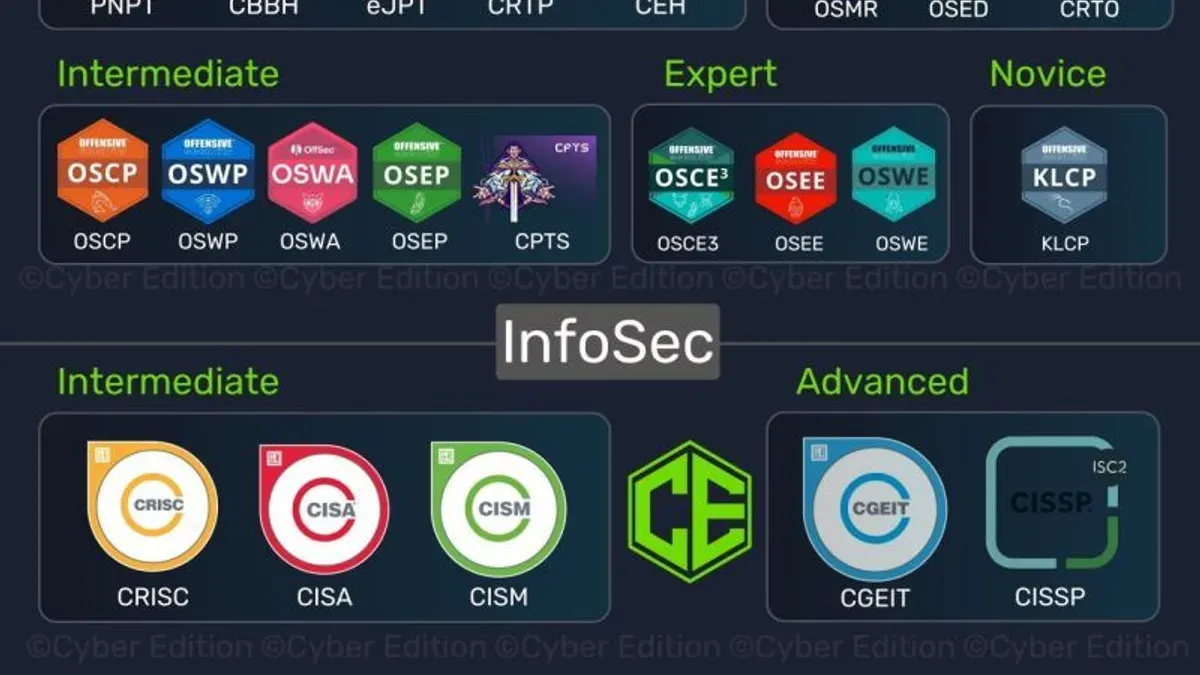
CISSP with PMP (Project Management Professional)
Widely regarded as the gold standard, CISSP combined with PMP suits mid- to senior-level professionals who aim to demonstrate both deep cybersecurity knowledge and formal project management skills. A key strength is its extensive industry recognition, making holders highly competitive for leadership roles. However, the demanding experience requirements and high exam difficulty can be barriers for some.
Certified Information Security Manager (CISM) plus Agile Certified Practitioner (PMI-ACP)
This pairing appeals to professionals focused on managing cybersecurity governance with agile project management frameworks. Its strength lies in addressing dynamic project environments common in cybersecurity. The drawback is that CISM leans more towards security management than technical project execution, which may limit appeal for strictly project-focused roles.
CompTIA Project+ alongside CompTIA Security+
Emerging as a popular entry to mid-level certification track, this combination targets professionals transitioning into cybersecurity project management. It offers accessibility with lower prerequisites and strong vendor neutrality. The trade-off is that it may not carry the same weight with employers looking for advanced or specialized expertise.
Certified ScrumMaster (CSM) with Security+ or similar certifications
Increasingly requested in job listings emphasizing agile methodologies within cybersecurity projects, this blend fits those working in iterative, fast-paced environments. Its strength is practical applicability to modern cybersecurity project teams. The limitation is that ScrumMaster alone lacks comprehensive cybersecurity content, necessitating pairing with security credentials.
Overall, employer demand in 2026 favors certifications that clearly integrate cybersecurity knowledge with project management methodologies, reflecting the evolving complexity of project roles.
Good certifications for project managers transitioning into cybersecurity
Project managers with limited cybersecurity background benefit from certifications that introduce foundational cybersecurity concepts alongside project management principles. These certifications often emphasize risk management and security frameworks, easing the transition into cybersecurity project roles.
Certified Information Systems Auditor (CISA)
The CISA certification suits project managers aiming to understand cybersecurity governance and risk management. Its curriculum covers information system auditing, control, and security frameworks, providing a broad overview rather than deep technical detail. A key strength is its focus on risk assessment and management, which aligns well with project management tasks in cybersecurity. However, the exam can be challenging for those without auditing experience, and the content leans more toward audit than project execution.
CompTIA Security+
Security+ offers foundational cybersecurity knowledge ideal for project managers new to the field. It covers network security, threats, vulnerabilities, and risk management, supporting a solid baseline understanding. Candidates appreciate its modular learning paths and widely available study materials. The drawback is its technical focus; project managers may find some technical content less relevant, requiring supplementary project management skills development.
Certified in Risk and Information Systems Control (CRISC)
CRISC targets professionals managing IT risk, perfectly matching project managers transitioning into cybersecurity roles centered on risk frameworks. Its curriculum emphasizes risk identification, assessment, response, and monitoring. A notable strength is its direct application to real-world risk management projects. The downside is the prerequisite experience requirement, which can be a barrier for newcomers, and the exam's complexity for those without prior cybersecurity exposure.
GIAC Security Leadership Certification (GSLC)
GSLC is designed for managers overseeing cybersecurity teams and projects, blending leadership with security knowledge. It suits project managers seeking to bridge management and technical cybersecurity concepts. The certification's modular exam format allows candidates to focus on relevant security leadership topics. A drawback includes its relatively high cost and the demand for some technical familiarity, which may require additional preparatory effort.
Tip: Selecting a certification with modular or flexible exam options helps accommodate varying levels of cybersecurity experience during the transition.
How cybersecurity project management certifications improve career prospects
Cybersecurity project management certifications offer tangible benefits that enhance career trajectories in several key ways.
Increased salary potential and job security
Earning certifications like PMP combined with CISSP or CRISC typically leads to higher salaries and greater job stability. Mid-level professionals seeking financial growth find value here, as certified individuals often earn noticeably more than uncertified peers. However, the investment of time and money can be a hurdle for some candidates.
Access to leadership roles and larger projects
Certifications demonstrate readiness for managing complex cybersecurity initiatives, opening doors to leadership positions and high-profile projects. Those aiming to advance into senior management benefit from this evidence of competence. The drawback is that certifications alone do not guarantee leadership skills, which require experience and interpersonal abilities.
Demonstration of competence to employers and stakeholders
Having recognized credentials signals a verified skill set, boosting employer confidence and stakeholder trust. Professionals wanting to validate their expertise appreciate this advantage. Yet, some employers may prioritize practical experience over certification, limiting its standalone impact.
Networking and professional development opportunities
Certification bodies often provide exclusive access to professional communities, resources, and ongoing education. Candidates focused on continuous learning and industry connections gain from these networks. The limitation is that benefits depend on active participation and can vary by certification provider.
The catch: what these certifications don’t guarantee
Certifications in cybersecurity project management provide valuable credentials but do not replace the need for hands-on experience. Many employers prioritize demonstrated project success and practical cybersecurity skills over certificates alone. For example, some Fortune 500 companies explicitly state in job postings that relevant experience outweighs certification status, highlighting the importance of real-world application.
Maintaining certifications can also be costly and time-consuming. Certifications like the PMP or CISSP require periodic continuing education and renewal fees that can range from several hundred to over a thousand dollars every few years. This ongoing investment suits professionals committed to long-term career growth but may be a drawback for those with limited budgets or time.
Global recognition of certifications varies significantly. Credentials such as CISSP have wide international acceptance, while others may be more regionally focused or industry-specific. This distinction suits professionals targeting specific geographic or sector job markets but limits transferability elsewhere.
Lastly, certification alone may not suffice for highly specialized cybersecurity roles involving advanced technical expertise. Positions like penetration testing or security architecture often demand deep technical skills and certifications such as OSCP or SANS GIAC, in addition to project management credentials. Professionals seeking these roles must combine certifications with specialized training and experience.
Tip: Balance certification efforts with gaining practical experience and consider geographic and role-specific demands when choosing credentials.
Tips for preparing and choosing the right certification path
Evaluating current skills and career objectives is the first step in selecting the most suitable certification. For example, mid-level project managers with some cybersecurity knowledge may benefit from the PMP combined with CISSP, offering a blend of advanced project and security skills. This approach’s strength lies in its broad recognition and career versatility, but it requires significant time and financial investment, often including multiple exams and maintenance fees.
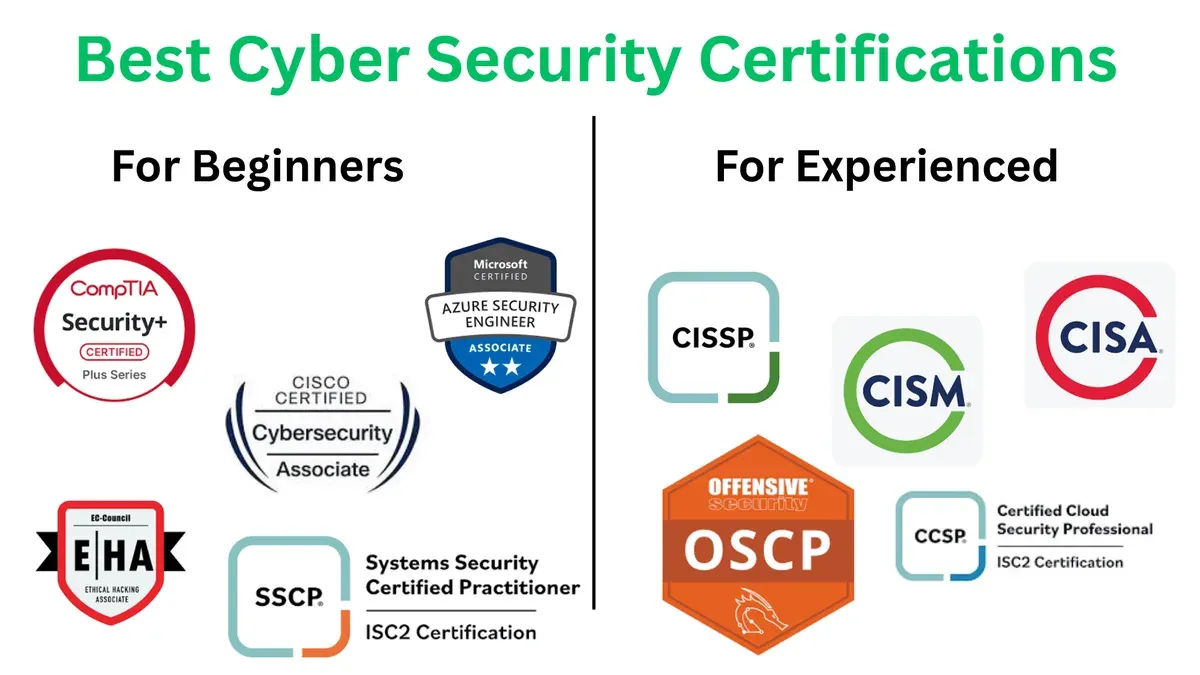
Considering employer preferences and industry trends helps align certification choices with job market demands. Certifications like CRISC, favored in risk-focused sectors, provide practical risk management skills that appeal to organizations prioritizing compliance. Their strength is targeted applicability, but they might limit opportunities outside specialized roles.
Leveraging official study guides, bootcamps, and practice exams supports effective exam preparation. For instance, candidates using (ISC)²’s official CISSP study guide combined with a reputable bootcamp report higher pass rates. This structured preparation builds confidence and knowledge but can be costly and time-consuming.
Planning for ongoing education and recertification ensures certifications remain valid and skills up-to-date. Many certifications, such as CISSP and PMP, require continuing professional education credits and periodic renewal fees. This commitment maintains relevance but demands continuous effort and resource allocation.
Tip: Create a personalized study schedule balancing work and learning, and verify if employers offer support or reimbursement for certification expenses.
Further reading
- Best Certifications for Cyber Threat Hunters in 2026
- Top Certifications for Cyber Intelligence Officers in 2026
- Best Certifications for Cloud Security Architect in 2026
- Best Certifications for AI Security Researchers in 2026
Frequently asked questions
What is the best cybersecurity certification for project managers?
The Certified Information Systems Security Professional (CISSP) with a focus on project management or the Certified Information Security Manager (CISM) are among the top choices for cybersecurity project managers. Additionally, the Project Management Professional (PMP) combined with cybersecurity knowledge is highly regarded. The best certification depends on the candidate's current skills, career goals, and the industry sector they aim to work in.
How much do cybersecurity project management certifications cost?
Costs vary widely depending on the certification and location. For instance, the CISSP exam fee is approximately $749, while the PMP exam fee typically ranges around $555 for PMI members. Additional expenses can include training courses and study materials, which may range from a few hundred to several thousand dollars.
Can a non-technical project manager get certified in cybersecurity?
Yes, non-technical project managers can pursue certifications like the PMP or the Certified Information Security Manager (CISM), which emphasize management and governance over deep technical skills. However, some foundational cybersecurity knowledge is usually necessary to succeed, and preparatory courses or self-study may be required to bridge technical gaps.
Are cybersecurity project management certifications recognized worldwide?
Many leading certifications such as CISSP, CISM, and PMP are globally recognized within the cybersecurity and project management communities. Recognition can vary by region and employer, but these certifications generally enhance credibility and opportunities internationally.
Limits of this advice and who should look elsewhere
This article does not cover certifications for highly technical cybersecurity roles such as penetration testing or incident response, focusing instead on the intersection of project management and cybersecurity leadership. Professionals seeking deep technical expertise or specialized hands-on skills in offensive security or digital forensics should explore certifications like OSCP or GIAC certifications tailored to those domains.
For those primarily interested in general project management without a cybersecurity focus, certifications such as PMP or PRINCE2 remain relevant and may offer broader applicability across industries. This guide specifically targets those aiming to bridge project management with cybersecurity demands.
The single most useful next step is to map current job descriptions in the desired cybersecurity project management roles against the certification requirements and recommended skills. This targeted approach ensures selection of certifications that align with actual employer expectations, maximizing career advancement potential in 2026.